






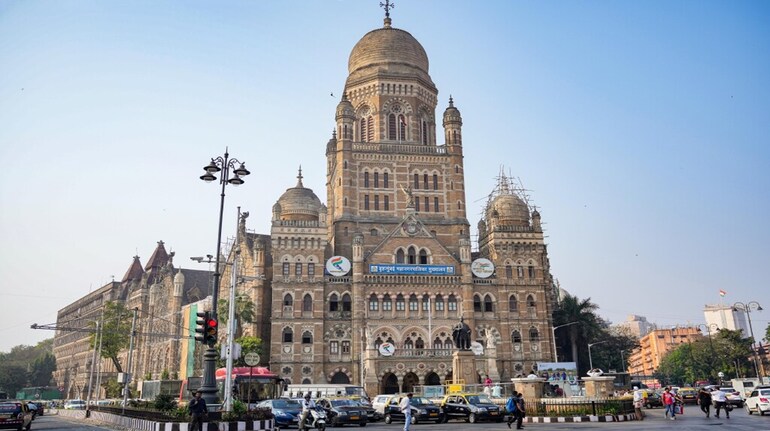

With the Brihanmumbai Municipal Corporation (BMC) elections over and the BJP emerging as the single largest party, attention has now turned to the election of the next Mumbai mayor, a key post in the country’s wealthiest civic body.
The mayoral election is likely to be held on January 28, at a special meeting of the BMC House convened by the municipal administration, as per a report by the Times of India. The election will take place days before the presentation of the BMC Budget on February 4, which will be the first civic budget tabled after nearly three years of administrator rule in the absence of an elected House.
Mumbai Mayoral Election: The Process
The process for electing the mayor will begin with the Urban Development Department (UDD) conducting a lottery to decide the reservation category of the mayor’s post -- general, women or reserved categories. The lottery is slated to be held next week.
After the category is notified, eligible corporators will file nominations, followed by voting at a special meeting of the BMC. The candidate securing the highest number of votes will be elected mayor, with the deputy mayor chosen through a similar vote.
Though the party with the largest number of corporators is not automatically entitled to the mayor’s post, past elections suggest that numerical strength or alliance support generally proves decisive. In the absence of a clear majority, post-poll negotiations and shifting alignments could influence the outcome.
Notably, the upcoming election will also be the first mayoral contest with 10 nominated corporators, following a March 2023 amendment to the Mumbai Municipal Corporation Act that doubled the number from five. As the single largest party, the BJP is anticipated to secure the maximum share of nominated corporators, which could play a key role in the mayoral vote.
In the BMC elections, the BJP won 89 seats in the 227-member House, followed by the Uddhav Thackeray-led Shiv Sena (UBT) with 65 seats, making it the principal opposition. The Congress won 24 seats, while the Eknath Shinde-led Shiv Sena and the Maharashtra Navnirman Sena registered limited gains.
Voter turnout stood at 52.94 percent, marginally lower than the 55.59 percent recorded in 2017.
The results display a shift in Mumbai’s political landscape, with the BJP consolidating its position across several suburban and South Mumbai wards. The Sena (UBT), which ruled the BMC for nearly 25 years in its undivided form, retained influence in pockets such as Worli, Mahim, and Vikhroli.
Discover the latest Business News, Sensex, and Nifty updates. Obtain Personal Finance insights, tax queries, and expert opinions on Moneycontrol or download the Moneycontrol App to stay updated!
Find the best of Al News in one place, specially curated for you every weekend.
Stay on top of the latest tech trends and biggest startup news.





