






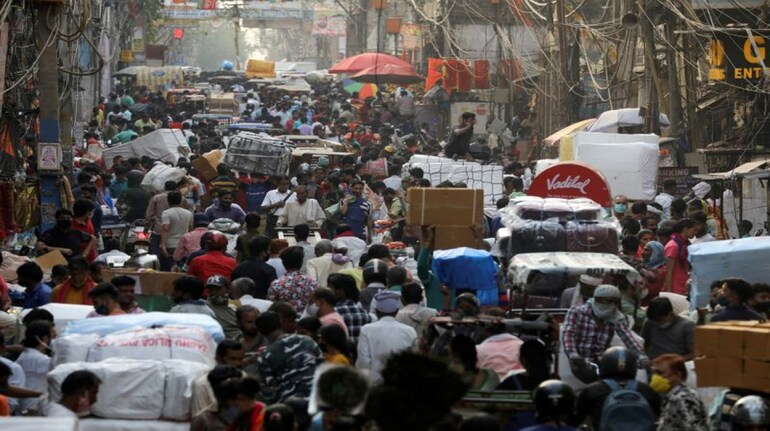
On Saturday in Kolkata, a football party turned into a policing problem. Lionel Messi showed up at Salt Lake Stadium, fans couldn’t see him, and the mood flipped from devotion to damage: seats ripped out, objects thrown, people pushing toward the pitch. Police detained an organiser; the chief minister apologised and ordered a probe.
It wasn’t a stampede. No mass crush was reported. But it revealed the same underlying truth that sits beneath India’s deadlier crowd disasters: we keep building events around VIP movement and viral hype, then act surprised when human bodies behave like physics.
What happened in Kolkata wasn’t unique. The trigger was.
The Kolkata chaos had a classic recipe: a hard promise ('you’ll see the star'), a soft plan (unclear sightlines, crowd expectations unmanaged), and a sudden change (Messi’s brief appearance and quick exit). Fans were angry that they got only a glimpse and some couldn’t see him even on screens, then the vandalism began.
The pattern matters more than the celebrity: when organisers oversell access and undersupply control, crowds 'correct' the imbalance themselves, by pushing, surging, and breaking the nearest barrier.
The last three years show how often India gets this wrong
A short, brutal timeline of crowd deaths across settings:
Religious mega-gatherings: The Maha Kumbh Mela in Prayagraj saw a deadly pre-dawn crush in January 2025; police put the toll at 30 dead and 60 injured, while Reuters reporting described higher numbers seen at a morgue.
Temples: A crush near Tirupati’s Sri Venkateswara Swamy Temple in January 2025 killed six as thousands gathered for free passes, Reuters reported.
Transport choke points: A stampede at New Delhi Railway Station in February 2025 killed 18, with reports pointing to sudden surges and people slipping on foot-overbridges.
Festivals: A stampede during Goa’s Lairai Jatra in May 2025 killed six and injured dozens; reporting describes cascading failures and crowd surges.
Sports celebration spillover: Bengaluru’s RCB victory celebration turned deadly outside Chinnaswamy Stadium in June 2025 with 11 deaths, prompting official inquiries and restrictions later.
Pilgrimage routes: A stampede on the walkway to Haridwar’s Mansa Devi temple in July 2025 killed eight, with early reporting pointing to panic on a narrow route.
Politics as mass entertainment: A crowd crush at actor-politician Vijay’s rally in Karur in September 2025 killed at least 39, Reuters reported, and the state announced compensation and a commission to probe it.
Small events can kill too: In Tamil Nadu’s Tirupattur district, a 2023 stampede during a free saree/dhoti token distribution killed four elderly women, a reminder that you don’t need “mega” scale, only bad planning.
Campus events: Four students died in a crowd-crush-like incident at a CUSAT event in Kochi in November 2023 as people rushed through tight spaces amid chaos.
Hathras 2024: The Hathras satsang disaster killed at least 121; Reuters reporting pointed to massive overcrowding versus permissions and a surge as the preacher left.
Different venues. Same story: bad estimates, weak barriers, narrow exits, poor communication, and accountability that arrives after the bodies.
Why India keeps landing here
Capacity rules exist on paper, not at the gate. Hathras is the blunt example: reported attendance far exceeded permissions, and the site wasn’t built for that volume.
Bottlenecks are treated as normal infrastructure. Foot-overbridges, temple pathways, and single gates. India’s crowd architecture often funnels people into the very geometry that kills when pressure builds.
'VIP management' distorts event design. Kolkata shows how quickly resentment grows when a paying crowd feels sidelined by on-ground priority for officials and security rings.
Organisers sell certainty; planners deal in probability. Announce a star, dangle a glimpse, delay a train, close a gate, small changes become lethal when the crowd is already near its physical limit. (Delhi station and Goa’s festival reporting repeatedly points to surges and cascading failure.)
Accountability is too diffuse. After tragedies, we get arrests, probes, compensation, then the machine resets for the next event. Karur’s commission and compensation are textbook post-facto governance.
The uncomfortable question India avoids
If these deaths are preventable, why do they keep happening?
Because the incentives reward turnout, spectacle, and VIP optics. Safety is invisible when it works, and politically explosive when it fails.
Until permits, policing plans, and organiser liability become genuinely enforceable before an event (not just punishable after), the country will keep staging the next tragedy.
Kolkata’s Messi chaos is a warning shot: even when nobody dies, the system is already operating at the edge.

Discover the latest Business News, Sensex, and Nifty updates. Obtain Personal Finance insights, tax queries, and expert opinions on Moneycontrol or download the Moneycontrol App to stay updated!
Find the best of Al News in one place, specially curated for you every weekend.
Stay on top of the latest tech trends and biggest startup news.




