






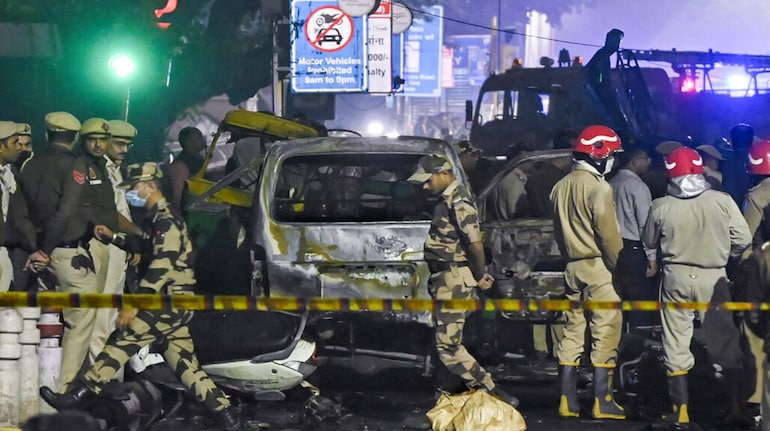

A United Nations sanctions monitoring report has linked Pakistan-based terror outfit Jaish-e-Mohammed (JeM) to last year’s deadly attack near Delhi’s Red Fort, even as it recorded contrasting claims by Member States about whether the group remains operational.
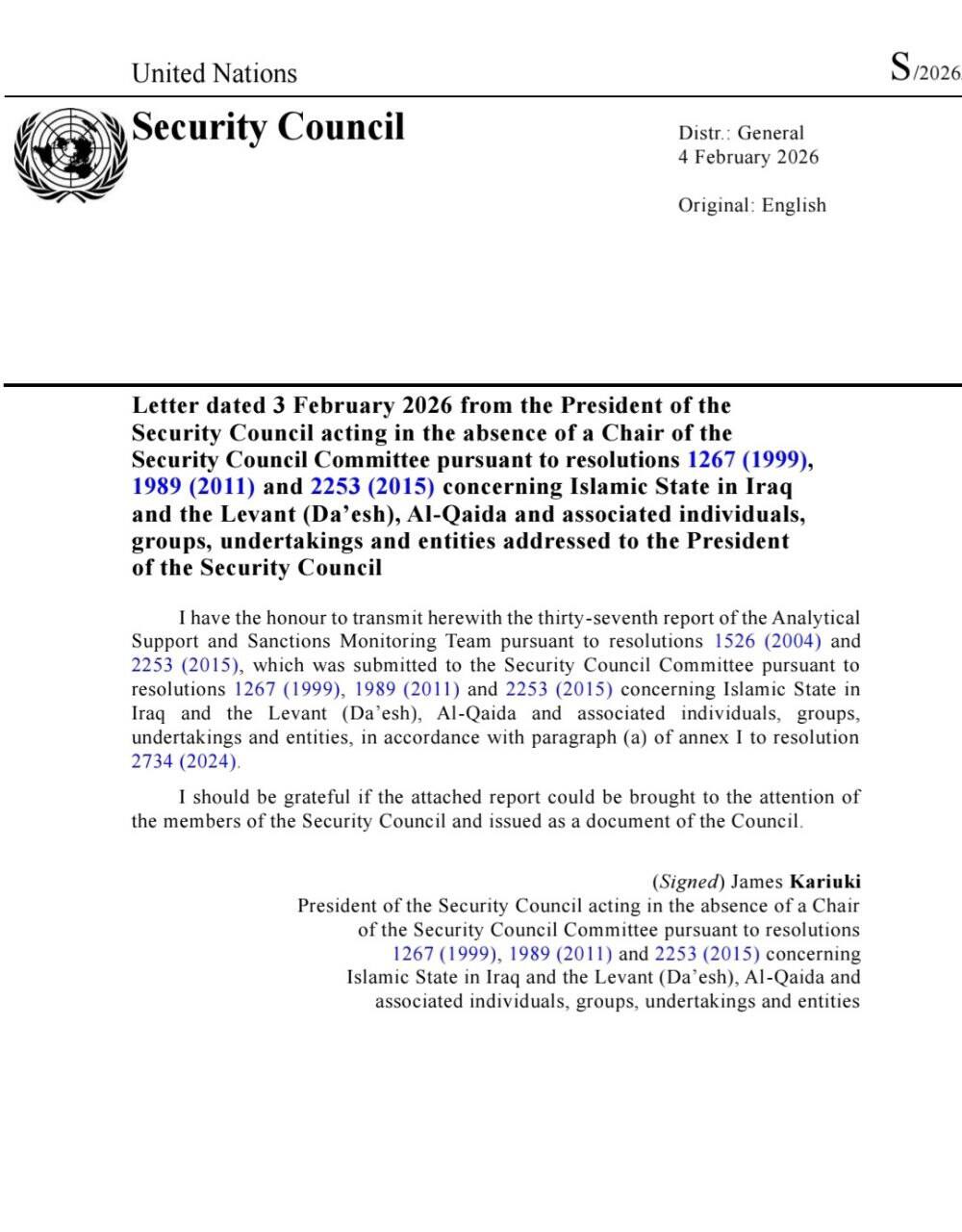
The findings appear in the thirty-seventh report of the UN Analytical Support and Sanctions Monitoring Team, submitted under Resolution 2734 (2024) to the Security Council’s 1267 Sanctions Committee, which oversees measures against ISIL (Da’esh), Al-Qaida and associated entities.
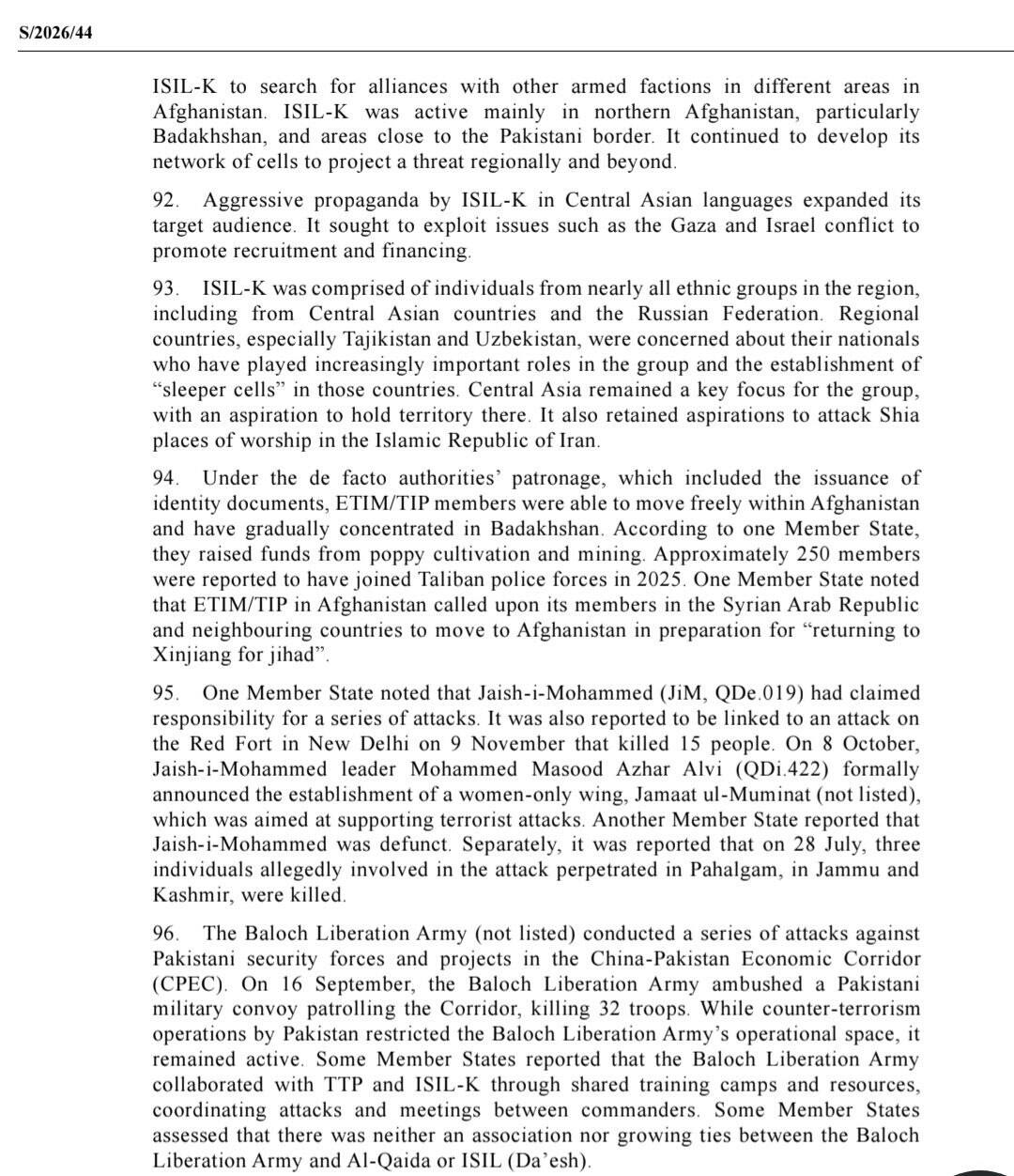
According to the report, one Member State informed the monitoring team that JeM claimed responsibility for a series of attacks and was linked to the November 9 assault near the Red Fort in New Delhi that killed 15 people.
 .
.
The Red Fort, a UNESCO World Heritage Site and a symbol of Indian sovereignty, has long been viewed as a high-value target. The reported link, if substantiated, underscores the continuing threat perception around iconic and politically sensitive sites.
The case is currently being probed by India’s National Investigation Agency (NIA). The attack followed a nearly three-week investigation by Jammu and Kashmir Police into what officials described as a “white-collar terror module” with links to JeM and Ansar Ghazwat-ul-Hind (AGuH). Nine people, including three doctors allegedly accused of facilitating the network, have been arrested.
Investigators recovered a one-minute-and-twenty-second video clip from the phone of Umar-un-Nabi, identified as the car-borne attacker killed in the blast. In the footage, he is allegedly seen speaking about carrying out a suicide attack, strengthening the assessment of an organised terror plot rather than a lone-wolf act.
The UN monitoring team also flagged organisational developments within JeM.
On October 8, JeM chief Masood Azhar, a UN-designated terrorist subject to travel bans and asset freezes, formally announced the creation of a women-only wing named Jamaat ul-Muminat.
While the new unit is not separately listed under UN sanctions, the report described it as intended to support terrorist activities. Analysts note that extremist groups have, in recent years, expanded recruitment and logistical networks by involving women in auxiliary and operational roles, partly to evade security scrutiny and broaden support bases.
The report records diverging views among Member States. While one country highlighted JeM’s claims of responsibility and operational role, another described the group as “defunct.”
The countries were not named in the document. Pakistan has repeatedly maintained that banned organisations such as JeM and Lashkar-e-Taiba (LeT) are no longer functional after being proscribed under domestic anti-terror laws.
JeM, founded in 2000, is designated by the UN as an Al-Qaida-associated entity and has been blamed for several attacks in India, particularly in Jammu and Kashmir.
The report also referenced developments in Jammu and Kashmir, including the April 2025 Pahalgam attack carried out by The Resistance Front (TRF), a proxy of LeT, which left 26 civilians dead and escalated tensions.
India subsequently launched Operation Sindoor in May, targeting terrorist infrastructure in Pakistan, leading to a brief four-day military escalation.
Discover the latest Business News, Sensex, and Nifty updates. Obtain Personal Finance insights, tax queries, and expert opinions on Moneycontrol or download the Moneycontrol App to stay updated!
Find the best of Al News in one place, specially curated for you every weekend.
Stay on top of the latest tech trends and biggest startup news.





