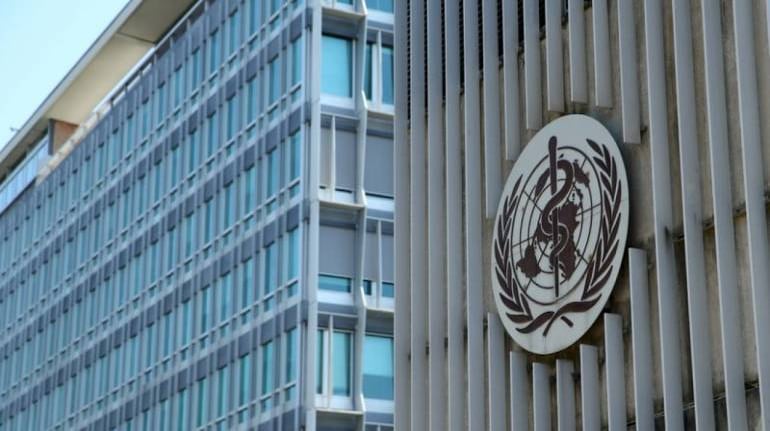
This past week, the World Health Organization (WHO) has updated guidelines on modes of transmission of the virus causing COVID-19 by including the possibility in certain circumstances of airborne transmission. This means the coronavirus could be spread through tiny droplets called aerosols that linger in the air for long periods of time.
The update came on July 9, after an open letter signed by more than 200 scientists pressed the agency to acknowledge the potential role that aerosols play in airborne transmission among people in crowded, indoor settings for prolonged periods of time.
The latest update is important because, after months of debate, the WHO has finally reconsidered its stance on airborne transmission. This will help countries frame appropriate infection control policies, as they try to ease lockdowns.
Airborne transmission allows a virus to enter the upper and lower respiratory tracts. Tuberculosis, chickenpox and measles are other diseases that are known to spread through airborne transmission.
"Outside of medical facilities, some outbreak reports related to indoor crowded spaces have suggested the possibility of aerosol transmission, combined with droplet transmission, for example, during choir practice, in restaurants or in fitness classes," the WHO said in its latest guidance.
"In these events, short-range aerosol transmission, particularly in specific indoor locations, such as crowded and inadequately ventilated spaces over a prolonged period of time with infected persons cannot be ruled out. However, the detailed investigations of these clusters suggest that droplet and fomite transmission could also explain human-to-human transmission within these clusters. Further, the close contact environments of these clusters may have facilitated transmission from a small number of cases to many other people (e.g., super-spreading event), especially if hand hygiene was not performed and masks were not used when physical distancing was not maintained." the statement added.
The WHO said, together with the scientific community, it has been actively discussing and evaluating whether SARS-CoV-2 spreads through the air in the absence of aerosol-generating procedures.
Tighten infection control protocolsTo be sure, there are still differences among experts on the airborne transmission of SARS-CoV-2 virus, and definitely, there is a need for more studies and data. However, the latest guidance reinforces the need for the people to compulsorily wear masks, maintain personal hygiene and follow social distancing.
As airborne transmission is added to modes of virus spread, it is important for governments to take this into account while implementing infection control measures and prevention campaigns. India and many other countries have started to ease lockdowns.
Globally, there have been 1.25 million confirmed COVID-19 cases and nearly 4.6 lakh deaths since the outbreak began late last year, according to data compiled by Johns Hopkins University. India reported 7.2 lakh cases and 22,123 deaths so far.
Why WHO took so long to acknowledge airborne transmissionSome experts argue that the WHO should have considered adding airborne transmission to its advisory much earlier. They point out parallels between this and the agency dragging feet on advising countries on use of masks, despite evidence that it is one of the most effective tools to cut transmission.
For several weeks following the onset of the COVID-19 pandemic, the organisation advised that masks should be worn by people who are sick or caregivers of patients with COVID-19. The WHO defended the stance saying that there was not enough evidence to say that healthy people should wear masks. But it did
change its stance on June 5, by advising people to wear face masks when social distancing is not possible, if they are above 60 years of age with comorbidities, or if living in places of community transmission.
The global health agency says that it takes its decision based on evolving evidence, but critics say the agency throughout the pandemic has been slow in its response. They point out the agency's delay in issuing advice against travelling to affected areas.
However, analysts note that the WHO as a multilateral organisation lacks enforcement authority over its member countries and relies on information provided by these nations.

Discover the latest Business News, Sensex, and Nifty updates. Obtain Personal Finance insights, tax queries, and expert opinions on Moneycontrol or download the Moneycontrol App to stay updated!
Find the best of Al News in one place, specially curated for you every weekend.
Stay on top of the latest tech trends and biggest startup news.