






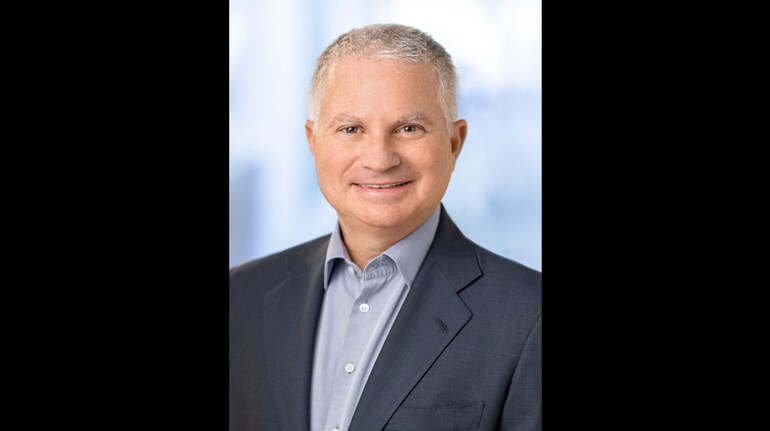

As Warburg Pincus completes 30 years of investing in India, chairman Chip Kaye said the country has emerged as one of the firm’s most important global markets, shaped by long-term commitment, repeat partnerships and the ability to invest through economic cycles. The comments were made as the firm’s global leadership team is currently visiting India to mark the milestone.
Calling the anniversary a “meaningful moment”, Kaye said the firm is also marking 60 years since its founding, an uncommon tenure in the private equity industry. Warburg Pincus began investing in India in 1996, when private equity was “far from an established asset class” and the country was still in the early phase of economic liberalisation.
“We’ve had the opportunity to bear witness to the tremendous growth in India over that long stretch of time,” Kaye said.
Over the past three decades, the firm has partnered with entrepreneurs to build companies at a scale that was difficult to foresee at the time of investment. India is now Warburg Pincus’ largest private equity destination outside the United States and remains one of its most significant markets globally.
“Our presence in India and the ecosystem we’ve created here is one of the most defining features of the firm, not just inside India, but globally,” Kaye said.
He pointed to early investments in companies such as HDFC, Mahindra and Bharti Airtel, noting that these partnerships helped shape India’s modern corporate and financial landscape. Over the years, Warburg Pincus has invested in more than 80 companies in India across sectors including financial services, healthcare, consumer, industrials and technology.
Kaye said the firm has consistently viewed its role as extending beyond the provision of capital. “We’ve always seen our role as going beyond capital — providing global connectivity, insights, relationships and deep sector expertise,” he said.
Reflecting on India’s broader economic transformation, Kaye said the country’s trajectory was difficult to anticipate three decades ago. “If you’d asked me 30 years ago whether India would play out the way it has, none of us would have predicted it,” he said. While the future remains uncertain, he added that the firm’s commitment to India remains unchanged.
“We don’t know what the next 30 years will look like. What we do know is that we will be here,” Kaye said.
The nature of investment opportunities in India has evolved over time, he said. In the early years, opportunities were largely limited to undervalued established companies and entrepreneurs with constrained access to capital, at a time when a professional entrepreneurial ecosystem was still emerging. More recently, a growing share of investments has involved successful businesses seeking partners to support leadership transitions and long-term growth.
“What matters most in those moments is finding a partner you can trust,” Kaye said, adding that several recent investments have been with entrepreneurs the firm has worked with previously.
Kaye said Warburg Pincus expanded its India presence not only during periods of economic strength but also through more challenging phases. “Our scale grew during the more awkward and complicated moments in India, not just when things were going well,” he said.
With India now the world’s fourth-largest economy, Kaye said he does not see a structural ceiling on the opportunity ahead. One of the most significant shifts, he noted, has been the growing role of domestic investors in Indian markets. “The greatest positive change has been the confidence in Indian markets coming from India itself,” he said, adding that while foreign capital flows remain volatile, domestic confidence plays a decisive role in shaping market outcomes.
Looking back, Kaye said the firm’s experience in India has reinforced the importance of patience, noting that value creation has at times continued well beyond exit timelines.
As Warburg Pincus looks ahead, Kaye said the firm remains focused on resilience rather than prediction. “One of the worst things an investor can do is try to predict the future,” he said. “You find resilient entrepreneurs and business models, and you navigate through the murkiness.”
Discover the latest Business News, Sensex, and Nifty updates. Obtain Personal Finance insights, tax queries, and expert opinions on Moneycontrol or download the Moneycontrol App to stay updated!
Find the best of Al News in one place, specially curated for you every weekend.
Stay on top of the latest tech trends and biggest startup news.





