August 22, 2019 / 16:58 IST
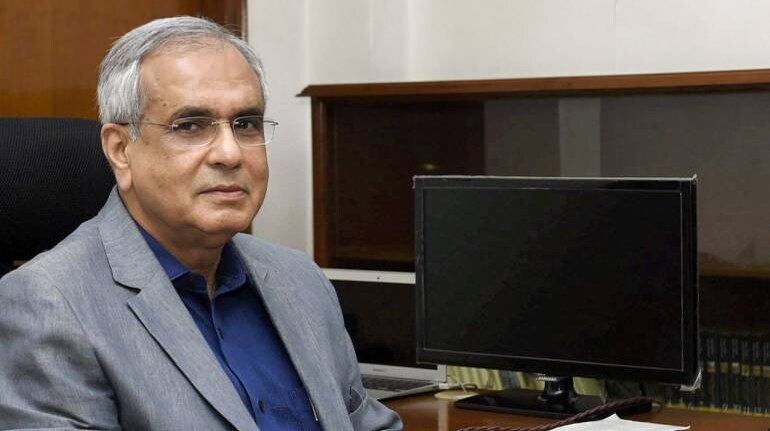
The liquidity crisis that is grappling the Indian economy is an unprecedented situation, Rajiv Kumar, vice-chairman NITI Aayog, said on August 22.
"In the last 70 years nobody had faced this sort of situation where the entire financial system is under threat, and nobody is trusting anybody else within the private sector. Nobody is ready to lend, everyone is sitting on cash," Kumar said.
A persistent liquidity crunch among India's shadow banks, which are among the major sources of financing, has disrupted India's financial system and has been one of the reasons behind the current economic slowdown.
Non-banking finance companies (NBFCs), or shadow banks, have dramatically slashed lending following the collapse of IL&FS in late 2018. NBFCs have, in recent years, helped fund nearly 55 percent to 60 percent of commercial vehicles both new and used, 30 percent of passenger cars and nearly 65 percent of the two-wheelers in the country, according to rating agency ICRA.
Kumar said that extraordinary steps are now required to break the inertia.
"It takes lot of courage to break the inertia. Now we are in a system where we are encouraged to take steps," Kumar said.
Kumar also said that the government needs to do whatever it can to allay the apprehensions of the private sector.
"The whole nature of the game has changed after demonetisation, GST (Goods and Services Tax) and the IBC (insolvency and bankruptcy code). Earlier where you had 35 percent cash sloshing around, it has become much less now. All of these facts put together makes it a fairly complex situation," he said.
He also said that the government should not hold back payments which are due to the private sector.
"At the moment there is huge effort going on to try and get this sorted out," Kumar said.
According to the latest data released by the government, growth of eight core industries dropped to 0.2 percent in June. The eight core sectors- coal, crude oil, natural gas, refinery products, fertiliser, steel, cement and electricity - had expanded by 7.8 percent in June last year.
The International Monetary Fund (IMF) lowered its FY20 growth forecast for India to 7 percent, down from 7.3 percent, but it said it will expand at 7.2 percent in FY21. The lower estimate for this fiscal year “reflects a weaker-than-expected outlook for domestic demand”, it said.
Discover the latest Business News, Sensex, and Nifty updates. Obtain Personal Finance insights, tax queries, and expert opinions on Moneycontrol or download the Moneycontrol App to stay updated!