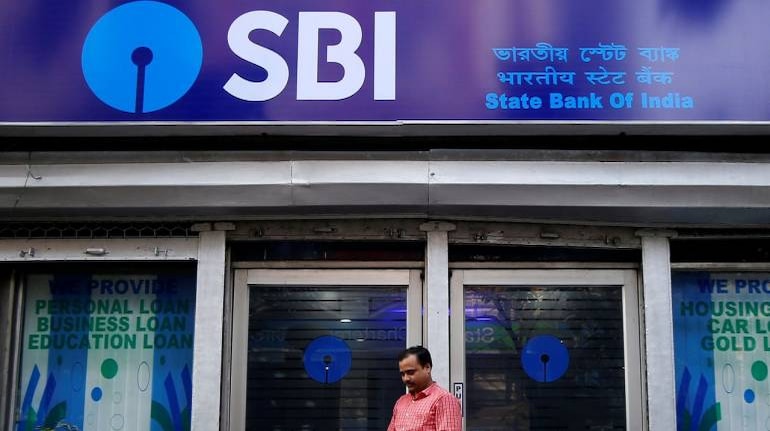
The State Bank of India (SBI) will conduct e-auctions of 12 bad accounts in March to recover dues of over Rs 506 crore under sale to asset reconstruction company (ARC) mechanism. 'In terms of the bank's policy on sale of financial assets, in line with the regulatory guidelines, we place these accounts for sale to ARCs/banks/NBFCs /FIs, on the terms and conditions indicated there against,' SBI said in sale notifications. Here’s an explainer on the e-auction process and what it means for investors.
How does an e-auction work?
Banks auction such properties in a final attempt to recover whatever value is left out of these assets. In most cases, banks suffer loss in such auctions but that’s still better than the entire money going bad. Banks inform the auction date well in advance so that interested bidders can participate.
Who can bid?
Any Indian resident can bid for these properties.
How does the process begin?
According to SBI website, the process begins when the respective Branches of SBI publishes the advertisement in the leading newspapers (English and Vernacular). The advertisements are also published in Social Media (like Twitter, Facebook, Instagram etc.). This happens, when recovery notices do not yield adequate responses.
This advertisement contains the details of websites where the prospective bidders can access the particulars of locations of the properties with full details. It also guides the prospective bidders on the pre-requirements for participating in e-auction.
How can bidders participate?
Interested bidders will have to deposit 10 percent of the reserve money in advance to participate in the auction. This is called the earnest deposit money. There will be a reserve price for each asset that the bank decides. The highest bidder will get the right to acquire the property.
What kind of properties are put up for auction by banks?
Banks auction all types of properties where repayments have been defaulted. These could be residential properties, commercial properties, vehicles or even factory equipment.
How can investors see the details of the auction properties?
Potential buyers can view the details of such properties put up for e-auctions through the links provided in the advertisement. There is a designated contact person also for auction at the Branches whom prospective Buyers may approach for any clarification regarding the auction process and the property he /she is interested in and may inspect the properties of their interest, the bank says.
Is it a good opportunity for buyers?
Through bank auctions, investors can get up to 20-30 percent discount to the market price. Hence, such deals make sense for investors. Many a time, such properties are located at prime locations and, for investors, this presents a good opportunity.
What are the risks?
Some caution is warranted. To begin with, these are properties where borrowers have defaulted on their bank loans and where the bank has initiated recovery proceedings. There is a possibility that some of these properties may be caught in litigation. Hence, bidders need to first verify the details of the property before bidding for such properties, according to experts.
Will there be legal challenges on such properties?
Normally, these are bank attached properties and hence shouldn’t offer any legal risks for the buyer. But, the buyer needs to check if it is a jointly owned property and needs to be prepared for legal challenges if any other joint property holders move court. The buyer needs to also check whether the auction property is already occupied by a party and if the tenants/ occupants are willing to vacate the property post purchase.
How often banks e-auction properties?
Banks frequently announce e auctions of loan default properties. Such auctions can happen multiple times in a year.

Discover the latest Business News, Sensex, and Nifty updates. Obtain Personal Finance insights, tax queries, and expert opinions on Moneycontrol or download the Moneycontrol App to stay updated!
Find the best of Al News in one place, specially curated for you every weekend.
Stay on top of the latest tech trends and biggest startup news.