April 11, 2022 / 11:40 IST
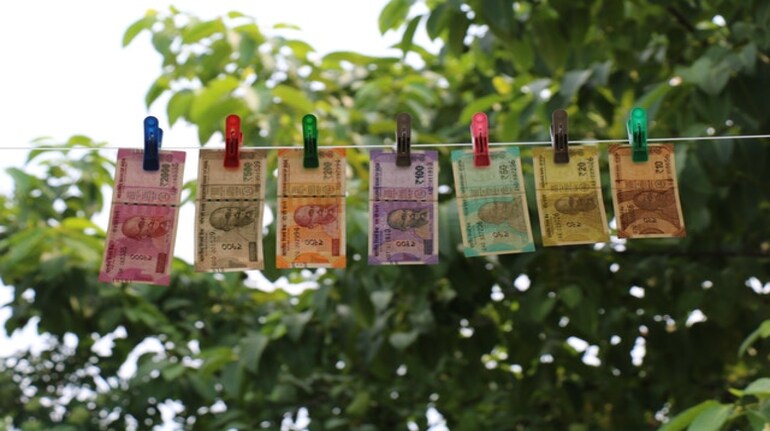
The central bank has raised the floor of the interest-rate corridor by operationalising SDF at 3.75%. (Photo by Disha Sheta/Pexels)
Deutsche Bank (DB) expects the repo rate to increase to 5.50% by end of the next fiscal or FY24, it said in its report following the central bank’s Monetary Policy Committee (MPC) meeting, which concluded on April 8.Though the Reserve Bank of India (RBI) retained the repo rate at 4%, it has given indications that it was going to change its accommodative stance going forward. “We see the April policy as a course correction to the uber-dovish Feb policy, with this pivot likely to prepare markets for further normalisation and rate hikes in the coming months,” the bank’s Managing Director and Chief Economist-India and South Asia Kaushik Das wrote in his report. DB is expecting two rate hikes in CY2022–adding up to 50 bps–then a rate hike of another 75 bps in CY2023, which would take the repo rate to 5.25% by end of December 2023; and a last rate hike of 25bps in Jan-March 2024. The terminal repo rate for FY24, they expect, will be 5.50%. Also read: RBI delivers a hawkish surpriseThe report called attention to the forward guidance language, which hints at more rate hikes: “While the MPC unanimously maintained an accommodative stance, we note a change in the forward guidance language, which indicates that the MPC is likely to change the monetary policy stance to neutral in the June policy. The accompanying statement says that ‘the MPC also decided to remain accommodative while focusing on withdrawal of accommodation to ensure that inflation remains within the target going forward, while supporting growth.’”Goodbye reverse repo?Another interesting observation in the report is that the Central Bank has made the reverse repo rate “almost obsolete”, by using a new lever called the Standing Deposit Facility (SDF) to narrow the Liquidity Adjustment Facility (LAF). While the repo and reverse repo rate has been retained at 4% and 3.35%, the central bank has raised the floor of the interest-rate corridor by operationalising SDF at 3.75%. The SDF works like the reverse repo rate, in that it is the rate at which the banks can deposit their money with the Central Bank. But the difference is that SDF is uncollaterised–that is, the Central Bank does not have to give the banks government securities as collateral. The other difference is that, while reverse repo mechanism is done at the discretion of the Central Bank, the SDF is done at the discretion of the banks. “So in effect, while RBI has kept the reverse repo as a part of its monetary policy toolkit, in reality, it has become almost obsolete and has been replaced by the SDF,” said the report. DB has welcomed the RBI’s move to normalise LAF to the pre-pandemic 50 bps.
Also read: D-street cheers growth focus amid inflation scareG-sec conundrumThere had been concerns in the market about the huge government borrowing, at Rs 14.95 lakh crore, planned for FY23. The central bank has assured market participants that it will support the government borrowing through “various instruments”. But, as the report pointed out, “no GSAP programme announced, as expected”. G-SAP is G-Sec Acquisition Programme.
Story continues below Advertisement
Perhaps the central bank may find it difficult to support the government borrowing programme while managing the liquidity in the market.
As the report stated, “We expect RBI to announce OMOs and Operation Twist on an ad-hoc basis to prevent bond yields from rising excessively, but given that RBI wants to reduce monetary accommodation through withdrawal of liquidity, we are not sure how extensively the central bank can support the bond markets in the current fiscal year."
Discover the latest Business News, Sensex, and Nifty updates. Obtain Personal Finance insights, tax queries, and expert opinions on Moneycontrol or download the Moneycontrol App to stay updated!