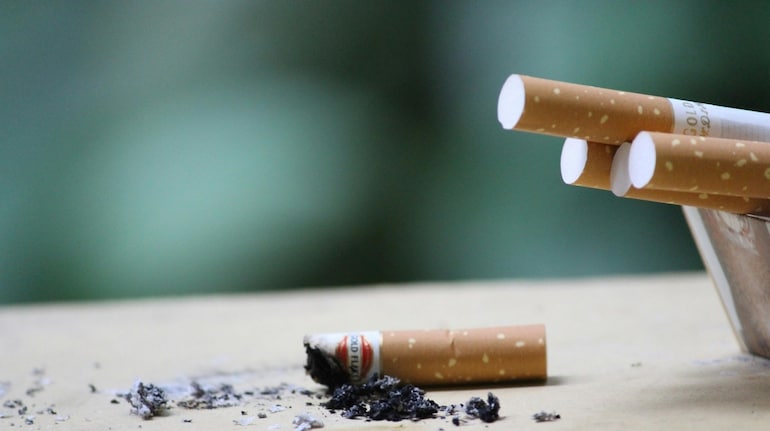
Failing to accurately report one’s smoking habit and frequency of alcohol consumption while taking up health or life cover can potentially impact the payout of claims, or worse, even lead to denial by the insurer on grounds of non-declaration of critical health risks.
According to insurers, these factors increase the chances of severe health conditions such as cancer, cardiovascular disease, lung illnesses, heart stroke, and other chronic diseases that could also lead to death.
To ascertain this, health insurers closely evaluate the claims filed against hospitalisation due to lifestyle illnesses, particularly if the cause is related directly to tobacco or alcohol consumption, or both.
The non-disclosure of smoking and drinking of alcohol may result in claim delays, reduced payouts, or even claim denial, depending on the policy’s underwriting terms and conditions, experts have said.
Why should you declare alcohol and tobacco consumption habits?“Individuals who use tobacco and alcohol but fail to report it while acquiring a health insurance policy cause non-declaration of facts, which can have a direct impact on underwriting decisions and premium pricing,” said Manish Dodeja, COO of Care Health Insurance.
Accurate disclosure of tobacco and alcohol usage allows insurers to conduct fair underwriting and provide a plan with appropriate coverage depending on the individual's health-risk level. Once you’ve declared your lifestyle habits, insurers cannot outrightly reject claims, even though the direct cause of the ailment is related to smoking and alcohol consumption.
Hence, it is adviced that applicants honestly declare their tobacco and alcohol consumption habits while filling up the proposal form for a health plan. Such declaration should also be made upon renewal of the policy if one develops lifestyle habits in the later years of taking a health plan.
Difference in Premiums upon Declaration of Lifestyle HabitsEssentially, waiting periods for pre-existing diseases and premium of health plan being offered to the proposer may vary for smokers and alcohol consumers. Premiums are calculated on the basis of risk assessment, and vary among insurers.
“I would say, for any person who's with moderate smoking and drinking habits, 99% chances are that there will be no difference in premium. However, if an individual has lifestyle habits plus a pre-existing condition, insurers may increase the premium from 10-20 percent, which is called risk-based loading, depending upon the underwriter,” said Siddharth Singhal, Business Head of Health Insurance at Policybazaar.
Also Read | Life and health insurance mistakes even smart investors make
What to do When Insurer Denies Your ClaimAccording to insurance analysts, insurers generally deny claims for primarily three reasons, first one being non-disclosure of lifestyle habits, pre-existing diseases or medical conditions at the time of taking the health plan.
The second reason is self-inflicted injuries, such as drinking and driving, which is against the law, as well diseases that fall under exclusion, like HIV AIDS.
Thirdly, if the claim for pre-existing disease gets filed before the end of the waiting period, which is usually three years.
"Insurers generally have the right to reject claims if the illness is explicitly linked to alcohol or tobacco abuse, particularly where non-disclosure occurred at the time of policy issuance. The insurer must establish a causal connection between the illness and substance abuse, though the burden usually falls on the insured to disclose lifestyle risks accurately. If alcohol or smoking are risk factors but not proven direct causes, insurers are less likely to reject claims without clear medical evidence. “Exclusion clauses relating to self-inflicted injury or substance abuse are applied only when there is demonstrable causality between the condition and substance use,” said Alay Razvi, the Managing Partner with Accord Juris, a law firm.
However, if the claim gets rejected on proper grounds, policyholders can still file a complaint with the grievance redressal officer of a particular health insurance company. If the issue is not resolved even after submission of information and proof of declaration of your smoking or alcohol habits, then you can approach the Insurance Ombudsman within one year of rejection.
Further, if the insured is not satisfied with the result, they may seek remedy before the Consumer Disputes Redressal Commission or civil courts.
“The insurer may investigate whether non-disclosure or misrepresentation occurred at the time of policy inception. Courts often side with insured persons where insurers fail to produce clear, medical evidence linking the ailment directly to alcohol or tobacco use,” said Rohit Jain, Managing Partner of a legal firm Singhania & Co.

Discover the latest Business News, Sensex, and Nifty updates. Obtain Personal Finance insights, tax queries, and expert opinions on Moneycontrol or download the Moneycontrol App to stay updated!
Find the best of Al News in one place, specially curated for you every weekend.
Stay on top of the latest tech trends and biggest startup news.