






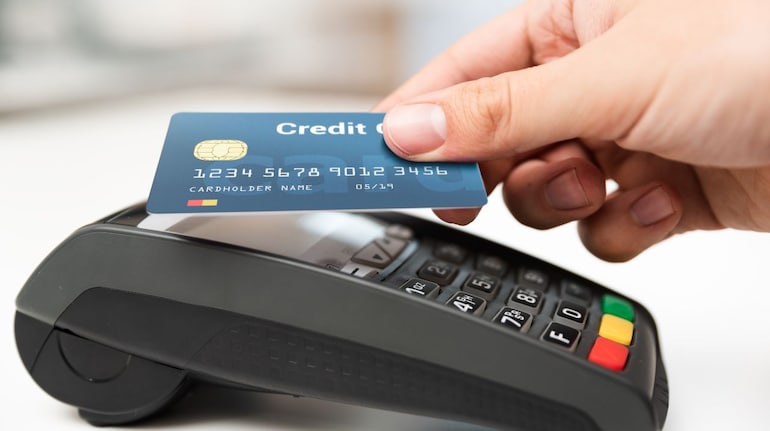
Credit cards have become far more than a way to pay for shopping or travel. Many banks and fintech platforms now allow you to route EMIs, SIPs, insurance premiums and even small savings contributions through a credit card. On the surface it looks convenient. You earn reward points, you get an extra billing cycle to manage cash flow and you can consolidate multiple payments in one place. That is exactly why many young professionals have started experimenting with using credit cards as a bridge for investments or monthly loan instalments. The deeper question is whether this habit actually strengthens your finances or weakens them.
The illusion of short-term cash flow relief
When you use a credit card to fund an EMI or a recurring investment, the first few months feel smooth. You get up to fifty days before the bill is due and the payment does not come out of your bank account immediately. The problem shows up when income is delayed or when multiple credit linked expenses stack up at once. If the bill is not paid in full, the rollover interest on credit cards is far higher than the cost of any loan or the return on any investment. A single slip can wipe out months of careful planning.
The risk of mixing debt and investment streams
Credit cards are unsecured debt. When you put an investment like a SIP or recurring deposit on a card, you are effectively using borrowed money to invest. This becomes dangerous if markets turn volatile or if you suddenly need liquidity. The investment may not have grown enough to justify the interest you are paying indirectly on the card. For EMIs on loans, using a card only shifts the burden. It does not reduce it. A missed credit card payment harms your credit score more sharply than a delayed bank ECS because card defaults are considered behavioural red flags.
Why convenience can disguise long term cost
Most people underestimate how quickly discretionary spending increases once more payments move onto the card. A credit limit gives a false sense of breathing room. It becomes harder to track what part of the bill is a genuine outgoing and what part is postponed debt. Over time, this can reduce savings discipline and lead to a habit of investing only because the card allows it. Good financial planning grows from surplus cash, not borrowed convenience.
The safer way to use credit cards
Credit cards still have a place in a responsible financial setup. They work well for short term expenses that can be cleared within the same cycle, for travel bookings and for earning controlled rewards. They do not work well as a base for recurring obligations like EMIs or long-term investments. A cleaner method is to keep essential payments on a direct bank mandate and use the credit card only for spending that is planned, budgeted and repaid immediately. This protects your credit score and creates a clearer line between saving and borrowing.
The takeaway
Using credit cards for investments or EMIs can feel modern and efficient, but it creates a quiet financial mismatch. Debt should not fund savings and a convenience tool should not become the backbone of a long-term plan. If you focus on keeping fixed commitments linked to your bank account and treat your credit card as a controlled payment tool, your finances stay sturdier and your investments grow without hidden risk.
Frequently Asked Questions
Is it ever sensible to use a credit card to fund an investment?
Only if you clear the bill in full every month and are using the card purely for rewards or cashback. If there is even a small chance of carrying forward the balance, the interest cost destroys any benefit.
Can a credit card help with temporary cash flow for EMIs?
It can, but it is not advisable. An unexpected delay in income or a single missed payment can trigger heavy interest and impact your credit score. It is better to plan EMIs around realistic monthly cash flow.
What is the smartest way to keep credit card usage under control?
Set a personal limit far below the card’s sanctioned limit, pay the bill before the due date, avoid converting expenses into EMIs and never use the card for recurring obligations that stretch across months.
Discover the latest Business News, Sensex, and Nifty updates. Obtain Personal Finance insights, tax queries, and expert opinions on Moneycontrol or download the Moneycontrol App to stay updated!
Find the best of Al News in one place, specially curated for you every weekend.
Stay on top of the latest tech trends and biggest startup news.




