






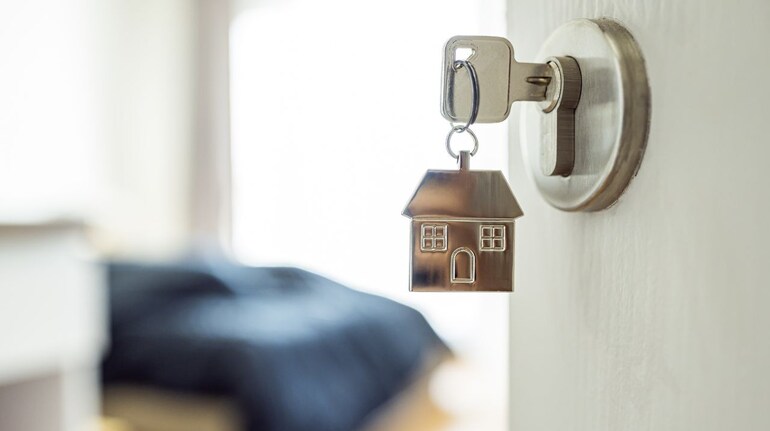

If you’re in your 30s or 40s, the rent-versus-buy question stops being theoretical. It turns into a recurring itch. Someone you know buys a flat. Your parents bring it up again. Your landlord hints at a rent hike. Then you open a property portal “just to see” and suddenly you’re mentally furnishing a home you don’t own.
This is exactly why people make rushed decisions here. They don’t buy because the numbers work; they buy because they’re tired of the feeling that they should buy.
The calmer way to decide is to accept one truth upfront: both renting and buying have real costs. The only question is which set of costs you can live with, year after year, without resentment.
Start with the honest version of your life, not the ideal version
Buying makes sense when you’re reasonably sure about the city, the locality, and the kind of life you’ll have for the next five to seven years. That sounds obvious, but it’s where many people quietly compromise. They buy because they want “something of their own,” while knowing their work may change cities, their children may change schools, or their parents may need them elsewhere.
If you’re still in a phase where life can pivot, renting isn’t indecision. Renting is keeping a door open.
The biggest mistake is comparing rent to EMI and stopping there
Rent feels like a clean number. EMI feels like a clean number. Ownership is never clean.
If you buy, you are also signing up for registration and stamp duty, maintenance, repairs, interiors, property tax, insurance, and the occasional “something broke” expense that always arrives at the wrong time. The down payment also has a cost, because that money could have stayed invested or remained available for emergencies.
So the real comparison isn’t rent versus EMI. It’s rent versus the full monthly cost of ownership plus the mental load that comes with it.
A simple check that helps is this: if you buy, will you still be saving meaningfully every month after the EMI and all the house-related costs, or will the house become your entire financial personality?
The decision is mostly about cash flow comfort, not affordability on paper
Banks approve loans based on eligibility. Your life runs on comfort.
A home loan that leaves you with thin breathing room can turn everyday life into a series of micro-stresses. You start timing expenses, postponing holidays, avoiding medical tests you should have done, and treating a broken appliance like a crisis. That’s not “building an asset.” That’s buying a source of chronic anxiety.
In your 30s and 40s, this matters more because you usually have multiple big obligations running together, and shocks are common: a job change, a parent’s health issue, a child’s education costs, or even just burnout.
A better question than “Can I get the loan?” is “If my income dips for six months, will this still be manageable without panic?”
Renting can be a smart choice, but only if you do one thing right
Renting works best when you use the flexibility to build financial strength elsewhere. The trap is renting a lifestyle you can’t really afford, and then telling yourself you’ll “start investing properly” later.
If you rent and invest the difference between your rent and what ownership would have cost you, renting becomes a strategy, not a compromise. If you rent and spend the difference, you’ll eventually feel stuck and angry at the decision, even if renting was right for you.
Buying makes more sense when the house fits your life, not your ego
Buying works well when you genuinely want stability, you like the area, and you can see yourself there for a while. It also works when you buy a home that your finances can carry without heroics.
The version of buying that goes wrong is when you stretch to a bigger flat because it feels like “progress,” or you choose an expensive locality because it feels safer socially, or you buy under pressure because you want the conversation to end.
When a house is bought to end anxiety, it often creates a different kind of anxiety: the “now I must keep earning at this level forever” anxiety.
The emotional part is real, so don’t pretend it isn’t
People buy homes for emotional reasons all the time, and that’s not automatically foolish. A home can provide stability, control, and a sense of belonging. Those are real benefits.
The problem is when the emotional benefits are bought at a financial price that is too high. You want the home to make life calmer, not tighter.
A quick way to make the decision clearer
If you’re genuinely undecided, try this framing: are you choosing stability or flexibility right now?
If stability is what you need and you can afford it comfortably, buying can be a great decision. If flexibility is what your life needs and your finances will grow faster with optionality, renting is not “wasting money.” It’s buying freedom.
And if the only reason you want to buy is that you feel embarrassed to rent at this age, that’s not a financial reason. That’s social pressure wearing a financial mask.
Discover the latest Business News, Sensex, and Nifty updates. Obtain Personal Finance insights, tax queries, and expert opinions on Moneycontrol or download the Moneycontrol App to stay updated!
Find the best of Al News in one place, specially curated for you every weekend.
Stay on top of the latest tech trends and biggest startup news.





