






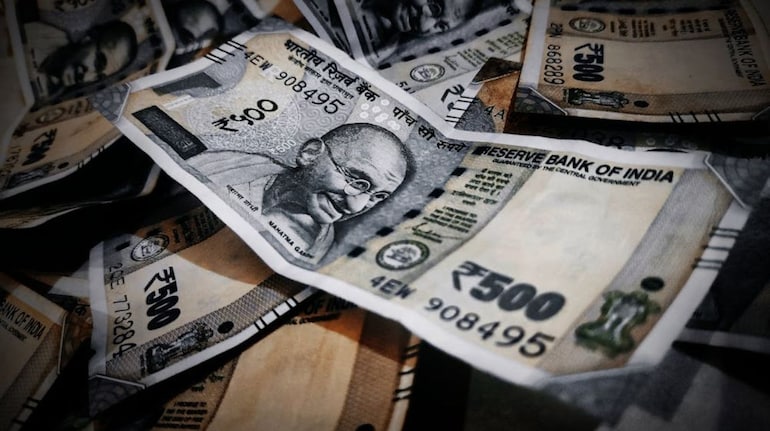

Zero-cost EMI is one of those phrases that makes a big purchase feel almost harmless. A phone that costs Rs 60,000 suddenly becomes “only Rs 5,000 a month”, and a laptop upgrade feels easier to justify because you’re not paying interest, at least not on paper. The promise is simple: spread the cost, pay nothing extra.
The problem is that “zero cost” usually means “no obvious interest”, not “no hidden cost”. Once you slow down and look beyond the headline, you start seeing where the money quietly slips out.
What zero-cost EMI actually means in practice
In most zero-cost EMI offers, the interest hasn’t disappeared. It has just been moved around.
The bank still charges interest on the loan, but the seller or brand gives you an upfront discount that roughly matches that interest amount. That discount is then used to neutralise the interest so that, over the EMI tenure, your total payments add up to the original price.
So while your EMIs may mathematically equal the product’s MRP, that doesn’t automatically mean the transaction costs you nothing.
Because even when interest is disguised, other charges often aren’t.
The processing fee that quietly sneaks in
Most zero-cost EMI plans still come with a processing fee charged by the bank or card issuer. This is usually between 1 and 3 percent of the purchase value, plus GST, and it’s charged upfront.
On a Rs 60,000 purchase, that can easily mean Rs 600 to Rs 1,800 out of pocket before you’ve even paid your first EMI. This amount is rarely refundable and is almost never highlighted in bold during checkout.
For many buyers, this fee alone makes the “zero-cost” label misleading.
GST on interest, even when interest is “zero”
Even when the interest is offset by a merchant discount, GST may still be applied on the interest component. You might not see it clearly explained at the
time of purchase, but it often shows up later in your card statement as small monthly charges.
Individually, these amounts don’t look dramatic. Over six or nine months, they quietly add up.
The discount you didn’t realise you gave up
Many sellers remove instant discounts the moment you choose a zero-cost EMI. The same product that sells for Rs 60,000 on EMI may be available for Rs 55,000 if you pay upfront using a card, UPI, or net banking.
That Rs 5,000 difference is effectively what you’re paying for the privilege of spreading your payments. There’s no interest line item, but the cost is very real.
How zero-cost EMI affects your credit card limit
A zero-cost EMI blocks your credit limit for the full purchase amount right away.
If your card limit is Rs 1,00,000 and you buy a Rs 60,000 device on EMI, your available limit drops to Rs 40,000 immediately. It does not free up gradually as you pay each instalment.
This matters more than people realise, especially if you use your card for emergencies, travel bookings, or regular monthly expenses. The EMI may look affordable, but it quietly reduces your financial flexibility.
What happens if you decide to close the EMI early
Prepaying a zero-cost EMI is not always as clean as it sounds. Some banks charge foreclosure fees. In certain cases, the upfront merchant discount is reversed. GST already paid on interest is usually not refunded. Depending on the issuer, you may even lose part of the perceived benefit that made the EMI attractive in the first place.
So the moment you change plans, the “zero cost” math can start to unravel.
When zero-cost EMI actually works in your favour
There are situations where zero-cost EMI makes sense. If there is no processing fee, no loss of upfront discount, and you were going to buy the product anyway at that exact price, spreading the payment can help manage cash flow without hurting you financially. It can also be useful if you want to preserve liquidity and are disciplined enough not to treat EMIs as free money.
The issue is that these situations are narrower than advertisements suggest.
The one question worth asking before you click “buy”
Instead of asking whether there is interest, ask something simpler.
Would I pay less if I paid the full amount today? If the answer is yes, then zero-cost EMI isn’t really zero cost. It’s just delayed payment dressed up with better wording.
Zero-cost EMI isn’t a scam, but it is marketing. And like most marketing, it works best when you don’t pause long enough to read what’s happening behind the label.
Discover the latest Business News, Sensex, and Nifty updates. Obtain Personal Finance insights, tax queries, and expert opinions on Moneycontrol or download the Moneycontrol App to stay updated!
Find the best of Al News in one place, specially curated for you every weekend.
Stay on top of the latest tech trends and biggest startup news.





