






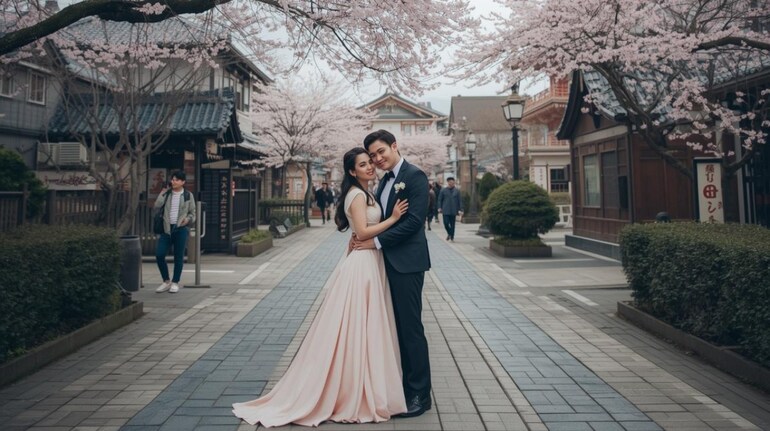

Very few families begin wedding planning intending to overspend. It starts with a venue that feels “just slightly better.” Then a guest list that grows because cutting names feels awkward. Then outfits, décor, photography, gifts, pre-wedding functions — each justified individually.
The problem isn’t one large decision. It’s cumulative escalation.
If you want to avoid financial stress after the celebrations end, structure matters more than enthusiasm.
Decide the total budget before you discuss details
Most people start by looking at venues and vendors. That’s backwards.
Start with one number: the maximum you are willing to spend without borrowing or draining long-term savings. Not what others are spending. Not what relatives suggest. Your number.
If that number is Rs 15 lakh, then every choice must fit inside it. If it’s Rs 8 lakh, the structure must adjust accordingly.
Without a ceiling agreed early by both families, spending drifts upward because there’s no anchor.
Separate ego from hospitality
The most expensive upgrades are often emotional ones. A larger banquet hall so it “doesn’t look small.” A designer outfit because “it’s once in a lifetime.” An extra function because “people will expect it.”
Ask a harder question: will this matter one year later?
Hospitality is about making guests comfortable. Ego spending is about perception. The two are not the same.
A well-managed smaller wedding often feels more elegant than an overstretched large one.
Freeze the guest list early
Every additional 100 guests can increase costs significantly when you factor in catering, seating, décor and logistics.
Guest lists expand easily because saying no feels uncomfortable. But if you don’t define a limit, costs multiply quietly.
Set a number early. Divide it between families. Once finalised, treat it as closed unless someone is willing to cover the incremental cost personally.
Avoid vendor upselling traps
Wedding vendors are skilled at framing upgrades attractively. Better lighting. Premium flowers. Extra reels. Drone coverage. Special entry effects.
Each upgrade may add Rs 20,000 to Rs 1 lakh. Individually manageable. Collectively overwhelming.
When reviewing options, compare the base requirement against the upgrade cost, not against the total wedding cost. That perspective keeps decisions grounded.
Limit borrowing at all costs
Taking a personal loan for wedding expenses is one of the most common long-term mistakes.
Interest rates on unsecured loans can range between 12 and 18 percent annually. That means you could be repaying a two-day event for three to five years.
If the celebration requires debt, scale it back. Starting married life with EMIs tied to décor and catering rarely feels wise six months later.
Be honest about jewellery purchases
Jewellery is often justified as “investment.” In reality, making charges and design premiums reduce resale value. Heavy purchases during weddings are frequently driven by tradition and social comparison rather than financial logic.
If gold buying is important, consider separating emotional pieces from financial investment. Investment gold can be accumulated gradually through structured methods rather than concentrated wedding buying.
Allocate a post-wedding cushion
Even well-planned weddings overshoot slightly. Keep a contingency reserve of 5 to 10 percent of your budget.
Also ensure that emergency savings remain intact. Do not drain your entire liquidity for a single event.
The goal is to begin married life stable, not exhausted financially.
Marriage celebrations are meaningful. But financial stress afterwards can quietly overshadow the joy.
The smartest wedding plans aren’t necessarily the cheapest. They are the ones where every rupee spent is intentional, not reactive.
When the lights go off and the guests leave, what remains is your financial foundation. Protecting that is the real long-term investment.
FAQs
1. Is it wrong to spend big on a wedding if we can afford it?
Not at all. The issue isn’t size. It’s sustainability. If the spending doesn’t require debt and doesn’t compromise long-term goals, it’s a personal choice.
2. How do we handle family pressure to increase the budget?
Link decisions to the pre-agreed total cap. When discussions become emotional, returning to the fixed number keeps conversations practical.
3. Should we prioritise savings over wedding scale?
If savings are limited, yes. An emergency fund and basic financial stability should come before discretionary celebration expenses.
Discover the latest Business News, Sensex, and Nifty updates. Obtain Personal Finance insights, tax queries, and expert opinions on Moneycontrol or download the Moneycontrol App to stay updated!
Find the best of Al News in one place, specially curated for you every weekend.
Stay on top of the latest tech trends and biggest startup news.





