






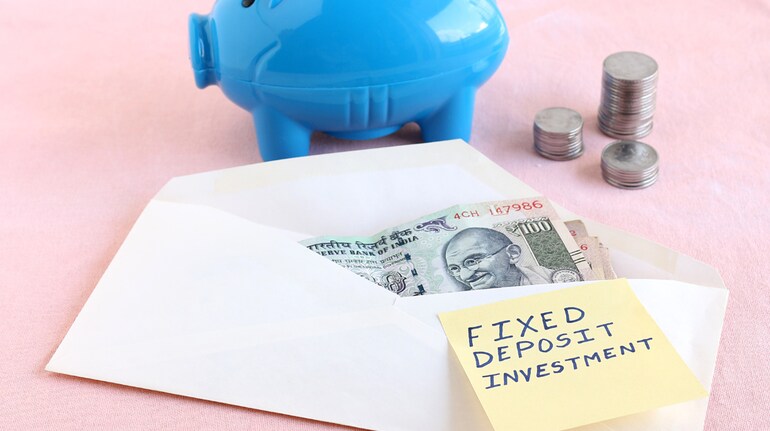

For many savers, the choice between a bank fixed deposit and a small savings scheme feels straightforward. You look at the interest rate, pick the higher number, and move on. That approach works some of the time. But not always.
Fixed deposits and small savings schemes are built for slightly different purposes, even though they often sit in the same “safe” bucket in people’s minds. Understanding that difference matters more than squeezing out an extra half a percentage point.
Why FDs feel familiar and flexible
Fixed deposits are simple, and that’s their biggest strength. You put money away for a fixed period, you know the interest rate upfront, and you can usually break the deposit if you need the money early. There may be a penalty, but access is rarely blocked completely. This flexibility is why FDs are often the first choice for emergency funds or short-term goals. If something unexpected comes up, the money is reachable. You don’t have to justify the withdrawal or wait for a maturity window.
FD rates also move with broader interest rate cycles. When rates rise, new FDs start offering better returns fairly quickly. That responsiveness can work in your favour during tightening cycles.
Why small savings schemes still attract loyal savers
Small savings schemes are different. They are government-backed, which gives many people a strong sense of safety. Products like PPF, NSC, SCSS, and post office time deposits are designed to encourage long-term saving rather than quick access. The interest rates on these schemes are set quarterly and don’t change as frequently as bank FDs. That stability can be comforting, especially when markets and rates are volatile.
Another big draw is tax treatment. Some small savings schemes offer tax deductions at the time of investment or tax-free maturity, depending on the product. For people in higher tax brackets, this can make the effective return more attractive than it looks at first glance.
Where the choice often goes wrong
The mistake many savers make is treating FDs and small savings schemes as interchangeable. They aren’t. Putting emergency money into a product that locks funds for years can create stress later. At
the same time, using short-term FDs for long-term goals can mean reinvestment risk and
lower post-tax returns over time. Liquidity is where the difference really shows. Breaking an FD usually just costs you some interest. Exiting a small savings scheme early may not even be possible, or may come with strict conditions.
Tax is the silent deal-breaker
Tax changes the math more than most people realise. Interest from bank FDs is fully taxable at your slab rate. For someone in a higher bracket, the post-tax return can shrink sharply. Some small savings schemes offer tax benefits that FDs don’t. Others are taxable but allow deferral or partial relief. This doesn’t automatically make them better, but it does mean comparing headline interest rates alone is misleading.
When FDs make more sense
FDs work best when you value flexibility over optimisation. Short-term goals, emergency buffers, or money you may need on short notice fits naturally here. They also suit people who want predictable returns without locking themselves in for very long periods. Senior citizens often use FDs for regular income, especially when banks offer higher rates for them and the deposit ladder can be adjusted as needs change.
When small savings schemes fit better
Small savings schemes suit money you truly don’t need to touch for years. Retirement-oriented savings, long-term capital preservation, and tax planning are where these products shine. They also appeal to people who prefer stability over chasing rates. You won’t get sudden jumps in returns, but you also won’t have to keep reinvesting every year or two.
The better question to ask
Instead of asking which one is better, it helps to ask what the money is for. Safety alone isn’t enough to decide. Time horizon, tax impact, and access matter just as much. Many households end up using both, without thinking of it as a strategy. That’s not a bad thing. The problem only starts when the product doesn’t match the purpose.
FAQs
Are small savings schemes safer than bank FDs?
Both are considered low-risk. Small savings schemes carry sovereign backing, while bank
FDs are protected up to a limit under deposit insurance.
Do small savings schemes always give better returns than FDs?
Not always. Returns vary by product and time period, and tax treatment can change the
effective outcome.
Should I put all my safe money into one option?
Usually not. Splitting money based on time horizon and liquidity needs often works better
than choosing just one.
Discover the latest Business News, Sensex, and Nifty updates. Obtain Personal Finance insights, tax queries, and expert opinions on Moneycontrol or download the Moneycontrol App to stay updated!
Find the best of Al News in one place, specially curated for you every weekend.
Stay on top of the latest tech trends and biggest startup news.





