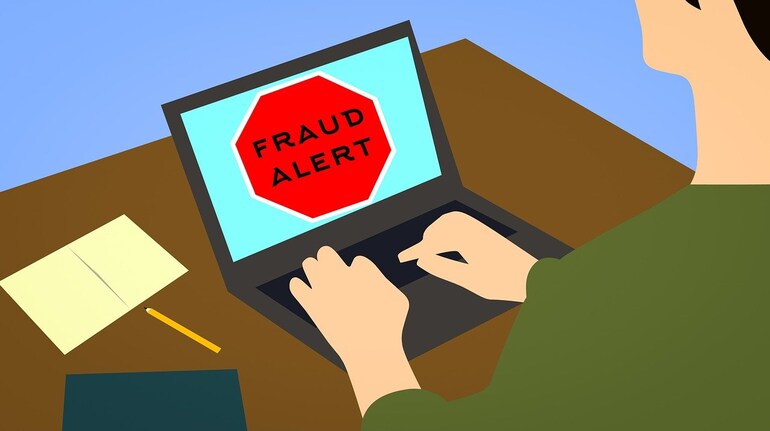
Credit card limit enhancement sounds harmless, even helpful. Many people are happy to get extra room for a large purchase or an emergency. Scamsters know this, which is why “pre-approved limit upgrade” calls and messages have become a favourite trap again. The pattern is simple: they offer something you want, make it feel time-bound, and then extract the exact information that lets them spend on your card.
How the scam usually plays outYou get a call or WhatsApp message claiming to be from your bank, a “card department,” or a partner agency. They tell you your limit can be increased instantly because your credit score improved, you are a loyal customer, or there is a festive offer. They may even quote your name, bank, or the last four digits of your card to sound credible.
Then comes the hook. They ask you to “confirm” your card number, expiry date, or CVV. Or they say an OTP will come to your phone and you must read it out to activate the upgrade. In some cases, they send a link to “update KYC” or ask you to install a screen-sharing or remote access app. At that point, it stops being about a limit enhancement. It becomes about taking control of your card, your account, or your phone.
Why this fraud is so damagingOnce an OTP is shared, many transactions are treated as authorised because the bank’s security step has been completed. Victims often discover this only after money has left the account or the credit card has been charged. Even when you complain quickly, reversals are not guaranteed. That is why this is one of those scams where prevention matters far more than what you do afterwards.
Five tips that work in real life1. Keep one rule in your head A bank does not need your OTP, CVV, or full card number to increase your limit. If someone asks, end the call.
2. Do not get pulled into urgency Scamsters will say “offer expires today” or “limit will be blocked if not confirmed.” Real banks do not punish customers for taking time.
3. Never click links sent during a call If the person on the phone sends a link, treat it as suspicious by default. The safest place to check anything is your bank’s official app or website, opened by you, not via a message.
4. Verify using the number you trust, not the number that called you If you want to check whether a limit increase is real, call the official customer care number printed on your card, or use in-app chat. Do not call back the incoming number.
5. Reduce the damage ceiling Keep transaction alerts on. If you do not use your card heavily online, keep online limits lower. A lower cap can stop a bad situation from becoming a catastrophic one.
A simple way to think about itA real limit enhancement does not need secrecy or speed. You can see it in your app and accept it calmly. A scam always tries to make you act fast and share something “just once.”
FAQsDo banks offer credit limit enhancement at all?Yes, banks do raise limits for eligible customers, but the acceptance is usually done through official app prompts, net banking, or verified customer care channels, not through requests for OTPs and card security details.
What should I do if I shared an OTP or card details?Call your bank immediately, block the card, and raise a fraud complaint. The faster you act, the better your chance of limiting the loss.
Is it safe to check eligibility for a limit increase in my bank app?Yes. Using the official app or website is safe. The risk comes from acting on unsolicited calls, links, or apps shared by strangers.
Discover the latest Business News, Sensex, and Nifty updates. Obtain Personal Finance insights, tax queries, and expert opinions on Moneycontrol or download the Moneycontrol App to stay updated!
Find the best of Al News in one place, specially curated for you every weekend.
Stay on top of the latest tech trends and biggest startup news.