




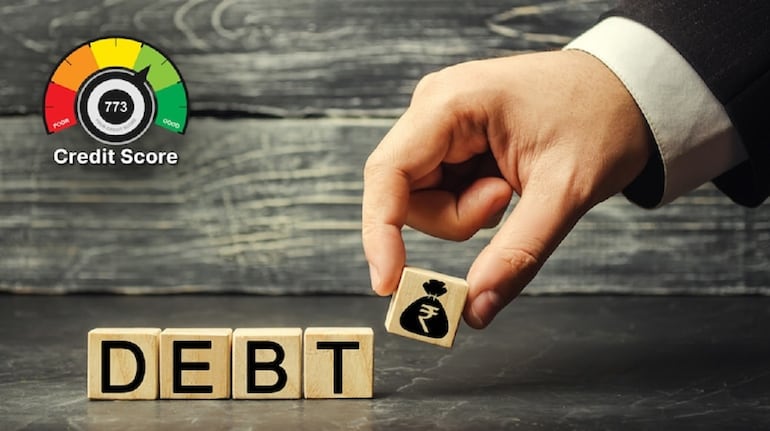
Chandigarh resident Ankur Mittal, 34, co-founder of credit card comparison website CardInsider, was looking to renew his car insurance policy in October 2024. He had been diligently paying his premiums on time and had a good driving record.
Since he had been clearing his credit card bills on time over the years, his credit score, too, was above 800. When he was renewing his auto insurance through the insurance company’s website, he was pleasantly surprised to learn that he was eligible for a discount on his premium due to his excellent credit score.
"I received a 15 percent discount on my auto insurance premium, resulting in an annual savings of Rs 5,000. Maintaining a good credit score has not only improved my eligibility for loans and credit cards, but also yielded practical advantages, such as reduced insurance premiums,” he says.
Like in Mittal's case, a good credit score can provide numerous benefits beyond smoother sanctioning of loans and better offers on interest rates. Let’s look at some of the scenarios.
Employment screening
In some cases, employers may include credit scores as part of the hiring process, especially for jobs in the banking, financial services and insurance (BFSI) sector. For instance, Pranav Gupta, a 32-year-old from Ahmedabad, had been on the hunt of better opportunities. In June, Pranav received a call from a private bank in Ahmedabad, inviting him for a final interview and seeking consent to review his credit history and score.
“I was taken aback when a bank requested my credit score and history during the hiring process,” says Gupta. Seeking clarification, he reached out to the HR department. They explained that credit scores are a factor in making final hiring decisions. After a successful final interview, Gupta received a job offer. “I later discovered that my excellent credit score of above 800 had significantly influenced the bank's decision to hire me,” says Gupta.
“Reviewing of credit reports is common for employment in the BFSI sector. In fact, this is expected to become common across other sectors,” said Nikhil Anand, senior vice president, operations, NLB Services, a talent solutions company that provides workforce solutions globally.
Now employers also look at credit scores get a handle on a candidate, beyond tests and interviews. “They also check for frequent payment defaults, and whether one has taken on excessive debt,” says Anand.
Do note, however, that an employer cannot directly check the credit score or history of an applicant. “The employer can fetch the credit profile with the consent of the applicant only for the purpose of background verification,” says Parijat Garg, a digital lending consultant.
Also read | How credit score is calculated and what affects it
Discount on insurance premiums
In some cases, like Mittal, insurance companies are using credit scores to determine premiums. “A good credit score can help lower insurance premiums for auto, health and other types of general insurance policies,” says Amit Chhabra, chief business officer at Policybazaar.com.
“Insurers use credit scores as part of their risk assessment, with those having higher scores considered less risky. As a result, they offer discounts on premiums,” says Satish Mehta, founder of Athena CredXpert (ACX), an LLP specialising in credit counselling. For example, some health insurance companies provide lower rates to customers with good credit scores, sometimes offering up to 15 percent discount on the policy.

Loan approvals and lower interest rates
A good credit score increases the chances of securing personal loans, home loans, car loans and other types of credit. Individuals with good credit scores can negotiate lower interest rates on loans, saving them money.
Rishi Seth, a 44-year-old business owner from Gurugram, experienced the benefits of a good credit score firsthand. “In March 2023, when I applied for a home loan, public sector banks offered me an interest rate of 9 percent. However, a private bank with whom I had a long-standing relationship offered me a better deal,” says Seth. With a credit score of 776, the bank provided a 25-basis point reduction on the interest rate, followed by an additional 10-basis point concession after negotiation. Ultimately, Seth secured a home loan at an interest rate of 8.65 percent. This resulted in significant savings, with a monthly repayment of Rs 94,752, versus Rs 97,170 at the 9 percent interest rate offered by other banks. Over the 20-year loan tenure, Rishi now stands to save around Rs 5.8 lakh.
“Lenders prioritise credit scores for risk assessment, recognising it as one of the key indicators of financial responsibility and stability,” says Manish Jain, country managing director, Experian India. A strong credit score not only influences access to better loan terms but also reflects an individual’s ability to manage debt effectively, he adds. This enables borrowers to secure favourable rates of interest and reduced down payments, thus enhancing affordability and financial planning.
According to Garg, several banks provide benefits ranging from 20 bps to 80 bps on home loans based on credit scores. For example, State Bank of India (SBI) offers home loans with concessions on the effective interest rate that vary according to the borrower's CIBIL score.
Also read | 7 tips to improve your credit score
Credit card approvals
“Based on the financial discipline reflected in a high credit score, individuals can enjoy benefits such as higher credit limits, better rewards and sometimes lower interest rates,” says Jain.
“A good credit score (above 750) also offers a better chance of approval for a credit card, especially premium credit cards,” adds Garg.
Common credit mistakes to avoid
The most common mistakes that can harm a credit score include missing EMI payments, rolling over credit card dues, using a large part of the credit limit sanctioned, or applying for too much credit in a short period. “Additionally, even settling or writing off a debt can be a significant mistake,” says Mehta. While it may seem like a resolution to a financial issue, a "settled" or "written-off" account will negatively impact your credit score, as it suggests that the borrower did not pay the full amount owed, he adds.
To avoid these mistakes, it is essential to pay instalments on time, keep credit card balances low (ideally 30 to 40 percent of the credit limit), and avoid applying for credit frequently.

Discover the latest Business News, Sensex, and Nifty updates. Obtain Personal Finance insights, tax queries, and expert opinions on Moneycontrol or download the Moneycontrol App to stay updated!

Find the best of Al News in one place, specially curated for you every weekend.
Stay on top of the latest tech trends and biggest startup news.




