






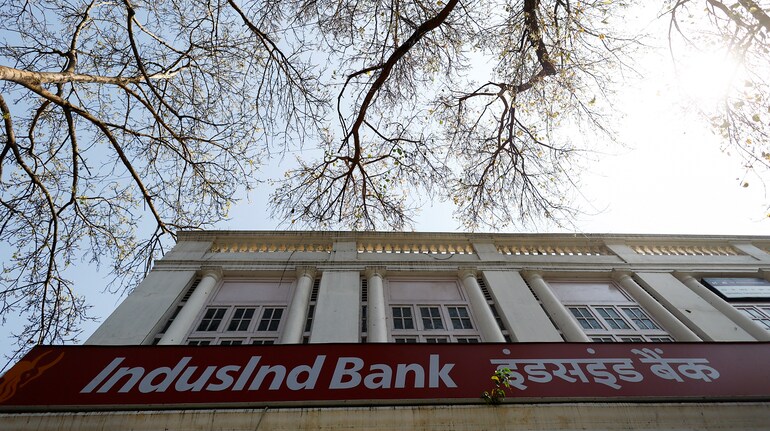

Market regulator Securities and Exchange Board of India (SEBI) collected a massive 1.7-terabyte ‘email dump’ from officials of IndusInd Bank as part of its insider trading investigation, a fact that surfaced during in a Securities Appellate Tribunal (SAT) order, after former bank executive Arun Khurana sought details of the emails relied upon by the regulator to build its case.
Though the tribunal dismissed Khurana’s plea seeking access to the entire email database, holding that since the investigation is still underway and no show-cause notice has been issued, SEBI is only required to provide documents relied upon in its interim order.
A bench led by Justice P. S. Dinesh Kumar held that Khurana was not entitled to full disclosure of investigation material at the current stage, as the matter is still under investigation and no-show cause notice has been issued.
Khurana was asked to appear before SEBI officials on December 30 for personal hearing, but before that, Khurana moved SAT and sought inspection of documents, including, 1.7 TB ‘email dump’ obtained by SEBI from the bank. Internal SEBI notes and approvals for initiating the probe, and attachments to certain internal email communications. Khurana’s counsel argued that, denying access to these materials violated principles of natural justice.
SEBI opposed the Khurana’s request, saying that 1.7 TB email data was massive and confidential. Also, email searches were conducted using keyword filters, and only relevant emails relied upon were shared with Khurana. SEBI’s counsel also highlighted the fact that, investigation is still ongoing, and no show-cause notice has yet been issued.
SAT in its order said, Khurana has been supplied with all the emails and other material relied upon by the SEBI. Khurana argued that, SEBI has examined only selected emails to arrive at certain conclusion leading to issuance of ex parte interim order. SAT noted that, “According to the appellant, SEBI has examined only selected emails to arrive at certain conclusion leading to issuance of ex parte interim order. As noted above all those documents have been made available to the appellant and appellant has an opportunity to explain that those relied upon documents did not warrant issuance of ex parte interim order”.
In its concluding part, SAT order stated, “In our view, the settled position is, a noticee shall be entitled for the relevant material at the stage of adjudication. Since the matter has not reached the adjudication stage, in our opinion, appellant’s prayer for the entire data does not merit consideration”.
What is IndusInd Bank case?
SEBI had initiated a suo motu preliminary examination into the fall in IndusInd Bank’s share price after the bank disclosed on March 10, 2025 that its internal review found discrepancies in the accounting of its derivatives portfolio.
The bank said the issue could have an adverse impact of around Rs 1,529 crore, equivalent to about 2.35 percent of its net worth as of December 2024. During the probe, SEBI received complaints and media reports alleging insider trading by key managerial personnel of the bank.
Based on the material examined, SEBI found that Khurana and four others were ‘insiders’ under the SEBI’s Insider Trading Regulations, and had allegedly traded while in possession of unpublished price sensitive information (UPSI). Following this, SEBI Whole Time Member Kamlesh Chandra Varshney issued an ex-parte interim order on May 28, 2025, which, impounded Rs 14.39 crore allegedly linked to unlawful gains, and also barred Khurana from accessing the securities market.
Khurana had earlier challenged the interim order before SAT, which directed him to deposit 50 percent of the impounded amount in a fixed deposit with a lien in favour of SEBI. In SAT, Khurana contended that SEBI had wrongly assumed the UPSI came into existence on December 4, 2023, whereas the bank’s disclosure indicated the information surfaced only around March 2025.
He argued that his trading in shares occurred between December 8, 2023 and June 25, 2024, largely through exercising employee stock options (ESOPs), well before the alleged UPSI period. According to Khurana, he exercised ESOPs for 91,520 shares at an average price of Rs 1,539 per share and if he had known adverse information, he would not have exercised ESOPs at prices above the market level.
Also read: SEBI weighs scrapping Close-to-Money norms in options on goods to ease compliance: Sources
Discover the latest Business News, Sensex, and Nifty updates. Obtain Personal Finance insights, tax queries, and expert opinions on Moneycontrol or download the Moneycontrol App to stay updated!
Find the best of Al News in one place, specially curated for you every weekend.
Stay on top of the latest tech trends and biggest startup news.





