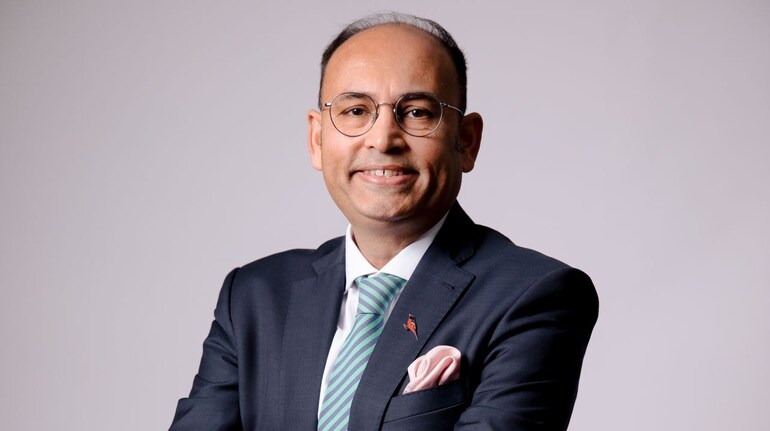

One aspect that appears relatively clearer is that the situation in Middle East may not resolve quickly, said Rohit Sarin, Co-Founder of Client Associates in an interview to Moneycontrol.
According to him, even if it does not escalate into a full-scale war, the probability of a prolonged period of heightened tension remains high. Such extended uncertainty can have lingering economic and market implications, he said.
Meanwhile, he sees early signs of an earnings pickup, particularly in sectors that benefited from GST rationalisation, such as auto and cement. He also believes that broader consumption trends will strengthen over the next two quarters, potentially supporting a more broad-based earnings recovery across sectors.
Do you see a strong possibility of escalating tensions or a war-like situation in the Middle East based on the current developments in the region, even though the situation remains unpredictable, especially considering President Trump’s stance and decision-making style?
It remains a developing situation and therefore difficult to say anything with conviction at this stage. Geopolitical conflicts tend to evolve in unexpected ways, particularly when multiple stakeholders are involved and strategic interests overlap.
However, one aspect that appears relatively clearer is that the situation may not resolve quickly. Even if it does not escalate into a full-scale war, the probability of a prolonged period of heightened tension remains high. Such extended uncertainty can have lingering economic and market implications.
Markets generally tend to price in developments well in advance, as reflected by the recovery of nearly half the losses on March 2. In a worst-case scenario, do you expect another 5 percent correction from current levels?
Since the situation has been developing over the past several weeks, markets have had sufficient time to assess and price in the associated risks. This is reflected in the relatively muted reaction seen so far.
Investors appear to be balancing geopolitical concerns with underlying economic fundamentals. However, if the conflict intensifies beyond current expectations or leads to disruptions in critical areas such as oil supply chains or global trade routes, markets could respond more sharply over the coming days. The trajectory will depend largely on how events unfold.
Do you believe President Trump is currently the biggest risk factor for equity markets, given his sudden and often unexpected policy decisions?
While his decision-making style is certainly disruptive for markets and often introduces short-term volatility, it is important to remember that the United States operates within a well-established institutional framework. These institutions act as stabilising forces during periods of uncertainty.
We have seen recent examples where checks and balances have played their role, including the stance taken by the US Supreme Court. Therefore, while policy unpredictability may create interim turbulence, the broader system provides some reassurance against extreme outcomes.
The impact of the US-Iran tensions was visible across sectors. In this market correction, which sectors or themes would you consider attractive for buying?
At this stage, we believe it is appropriate to remain cautious and avoid making strong sectoral preferences solely based on short-term geopolitical developments.
Market corrections driven by such events can impact sectors differently, and visibility remains limited until there is greater clarity on how the situation evolves. Rather than identifying specific themes as immediately attractive, we prefer to assess opportunities within the broader framework of valuations, earnings outlook, and risk tolerance. A measured and disciplined approach is advisable during periods of heightened uncertainty.
How should investors allocate across asset classes to maintain a balanced and healthy portfolio amid geopolitical tensions such as those in the Middle East?
Investors should remain committed to their long-term asset allocation, ensuring it aligns with their goals of compounding wealth or protecting capital. Geopolitical events can create short-term volatility, but abandoning a well-thought-out strategy often does more harm than good.
Within the equity allocation, periods of correction may offer opportunities to gradually top up positions, provided they fit within the overall risk framework of the portfolio.
Do IT services stocks look attractive for investment following the AI disruption–led correction? Or would it be prudent to wait for clearer evidence of AI’s impact on earnings before investing in the sector?
IT services stocks appear attractive from a valuation perspective following the correction. The collaboration of companies like Anthropic and OpenAI with Infosys and TCS suggests that established IT firms are likely to benefit from AI advancements rather than be displaced by them. This indicates a complementary relationship, which could support long-term growth prospects for the sector.
Do you see clear visibility of an earnings rebound in the coming quarters? If so, is the expected earnings growth likely to be broad-based or concentrated in a few sectors?
There have been early signs of an earnings pickup, particularly in sectors that benefited from GST rationalisation, such as auto and cement. We are also hopeful that broader consumption trends will strengthen over the next two quarters, potentially supporting a more broad-based earnings recovery across sectors.
Disclaimer: The views and investment tips expressed by experts on Moneycontrol are their own and not those of the website or its management. Moneycontrol advises users to check with certified experts before taking any investment decisions.Discover the latest Business News, Sensex, and Nifty updates. Obtain Personal Finance insights, tax queries, and expert opinions on Moneycontrol or download the Moneycontrol App to stay updated!





Find the best of Al News in one place, specially curated for you every weekend.
Stay on top of the latest tech trends and biggest startup news.