In early 2011, Manish Jain, founder and managing director of Cilicant, visited a large Hyderabad-based pharmaceutical company exporting drugs to the US market. There, he tried to nudge them to buy desiccant pouches made by his small company.
Desiccant pouches are little sachets containing silica gel crystals that are used to absorb moisture.
Desiccants are widely used in packaging industries like leather goods and electronics, among others. But in pharmaceuticals, these play an important role in keeping the drugs stable and extending their shelf life.
Moisture is one of the major reasons behind pills losing the stability or properties/characteristics possessed at the time of their manufacture.
In India and some other countries, tablets and capsules come in tightly-packed aluminium blister strips, reducing the scope for moisture seepage.
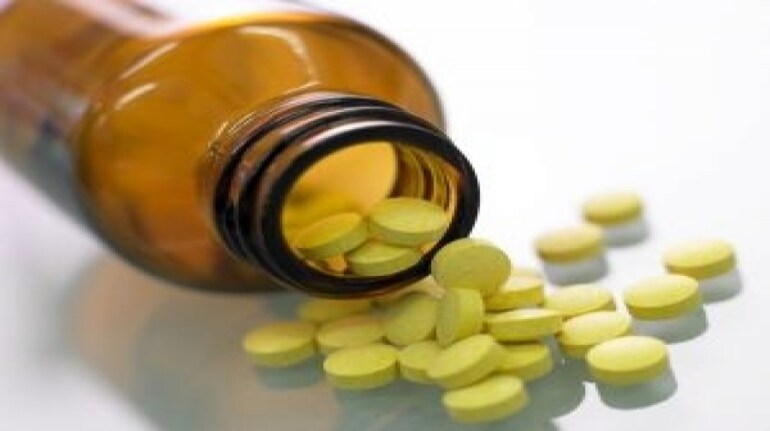
But in the US, medicines are packed in high-density polyethylene (HDPE) plastic bottles. However, HDPE and PET bottles have one major drawback- over a period of time, moisture seeps into these bottles affecting the stability of the drugs. For instance, drugs like statins and thyroxine react to moisture more quickly. So to avoid this, pharma companies use desiccant pouches inside the bottles to protect the drugs from moisture.
The pharmaceutical company told Jain that for it to use his desiccant pouches in pill bottles meant for the US market, he needed to make products compliant with USFDA's regulatory standards. Until then, Indian pharma industry would continue buying from two multinationals-- US-based Multisorb and Switzerland-based Clariant Specialty Chemicals. The pharma company executives encouraged Jain to take up the challenge to become the first Indian to manufacture desiccants in line with USFDA standards, and thereby offer competition to the MNCs.
Jain didn't lose heart. He started working on sourcing materials like the silica gels, pouches and ink and a factory to produce desiccants compliant with USFDA’s current good manufacturing practices (cGGMP).
Desiccants, just like active pharmaceutical ingredients (APIs), also have to get approval for their drug master file (DMF) from the USFDA.
By 2012, Cilicant became the first to get USFDA approval for its desiccant, followed by Health Canada. The next year, it expanded its production capacity by establishing a dedicated facility in Pune for pharmaceutical industry.
Jain extended his product pipeline by adding desiccant canisters and oxygen absorbers.
Expansion plansCilicant is expected to close FY20 with a turnover of Rs 45 to Rs 48 crore, growing annually at 35 percent to 40 percent.
Jain says his company is profitable, generating an earnings before interest, tax, depreciation and amortisation (EBITDA) of 24 percent and upwards.
"Getting large orders is still a challenge, given our small size and pharma companies’ unwillingness to take a chance with a product made by a small Indian company, for their US market," Jain said in an interview to Moneycontrol.
"To address, this we are expanding our production in a big way," Jain added.
Cilicant is setting up a new factory in Pune at an estimated investment of Rs 25 crore. The factory is expected to begin operations in first half of next year, tripling the existing capacity.
"The market for pharmaceutical desiccants and oxygen absorbers is around Rs 500 crore, we are servicing one-tenth of that market, there is huge potential for us to grow," Jain said.
Meanwhile, Cilicant is setting its eyes on the Rs 2,500 crore non-pharmaceutical desiccant market. It had helped India's major food company Haldiram, Nagpur, to increase the shelf-life of their famous sweet orange barfi from 15 days to 60 days.
Jain says the market for non-pharmaceutical desiccant market is highly unorganised and the industry lacks awareness on the right use of product.
"We position ourselves as the solution provider to increase the shelf life of products, rather than only focusing on selling, we work with the customer to understand his needs and customise accordingly," Jain said.
Jain said he plans to raise around Rs 110 - 120 crore, and has appointed an investment banker. The proceeds will be used for branding and expanding business.
Cilicant is targeting Rs 200 crore in revenue by FY24.

Discover the latest Business News, Sensex, and Nifty updates. Obtain Personal Finance insights, tax queries, and expert opinions on Moneycontrol or download the Moneycontrol App to stay updated!
Find the best of Al News in one place, specially curated for you every weekend.
Stay on top of the latest tech trends and biggest startup news.