




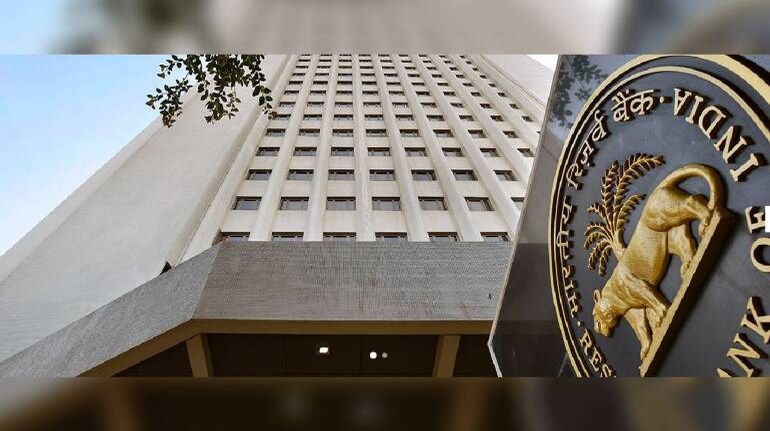
The liquidity in the banking system has narrowed by over Rs 1.42 lakh crore as on August 13, after the Reserve Bank of India (RBI) introduced the Incremental Cash Reserve Ratio (I-CRR) to drain excess liquidity, money market dealers said.
According to the RBI, liquidity stood at Rs 1.21 lakh crore as on August 13 compared to Rs 2.64 lakh crore on August 10.
“Liquidity has narrowed due to outflows because of I-CRR and the variable rate reverse repo (VRRR) auction conducted by the central bank on Friday (August 11),” said Umesh Kumar Tulsyan, Managing Director of Sovereign Global Markets, a New Delhi-based fund house.
On August 10, the central bank said that with effect from the fortnight beginning August 12, scheduled banks will have to maintain an I-CRR of 10 percent of the increase in their net demand and time liabilities (NDTL) between May 19 and July 28.
The outflow on account of I-CRR was broadly in line with estimates outlined by RBI Governor Shaktikanta Das and market players. During the press conference following the last Monetary Policy Committee (MPC) meeting, Das had said that the I-CRR will suck out about Rs 1 lakh crore.
Moneycontrol, on August 11, had reported that banking system liquidity is likely to stay at over Rs 1 lakh crore for the next two to three months, despite the introduction of the I-CRR.
Also read: Incremental CRR may push up short-term rates by 15-20 bps
Liquidity and GST outflows
Money market dealers said that liquidity may remain in surplus even after outflows due to goods and service tax (GST) payments.
Around the 20th of every month, there is substantial outflow towards the payment of GST, which sucks out liquidity from the banking system.
Tulsyan said that GST payments will lead to further outflows of around Rs 1.5 lakh crore from the system.
But government spending shall ensure sufficient liquidity going forward, said Ajay Manglunia, Managing Director and head of the investment group at JM Financial.
Usually, during the last week of the month, the banking system witnesses increased liquidity due to government spending on account of pensions and salaries.
Also read: MC Explains | All you need to know about the Incremental Cash Reserve Ratio
Why the I-CRR?
The central bank has announced the I-CRR with an aim to manage the excess surplus liquidity in the economy following the return of Rs 2,000 notes to the banking system (after they were withdrawn from circulation).
“This measure is intended to absorb the surplus liquidity generated by various factors, including the return of Rs 2,000 notes to the banking system,” said Das at the press conference on August 10.
In the last few months, liquidity in the banking system has risen sharply post the withdrawal of Rs 2,000 banknotes, the transfer of RBI’s surplus to the government, an uptick in government spending, and capital inflows.

Discover the latest Business News, Sensex, and Nifty updates. Obtain Personal Finance insights, tax queries, and expert opinions on Moneycontrol or download the Moneycontrol App to stay updated!
Find the best of Al News in one place, specially curated for you every weekend.
Stay on top of the latest tech trends and biggest startup news.