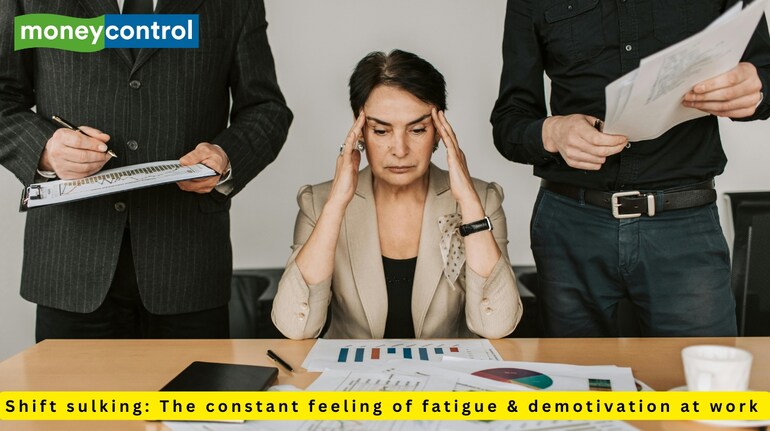

If you’ve ever stepped into work before early, with a cup of coffee in hand, and feeling like going back home immediately, you’re in familiar territory. This growing workplace vibe is being called shift sulking, a moment when employees clock in but have already emotionally clocked out.
You don’t feel like working, your posture is sloppy, and your mind almost dislikes the job; what looks like a mood might be more than a mood. Burnout isn’t a passing tiredness, it’s a syndrome of emotional and physical exhaustion, cynicism, and a shrinking sense of accomplishment triggered by long‑term, unmanaged workplace stress.
According to studies in Pubmed, burnout is defined as a response to ongoing job strain that isn’t handled well at organisational or personal levels. It’s not a personality flaw, and it’s certainly not something workers can snap out of with more effort.
According to researchers, burnout develops when exposure to persistent work stress outstrips coping resources. Slowly, people don’t just feel tired, they become emotionally detached from their work and doubt their ability to succeed. Early signs include feeling constantly exhausted, lacking motivation, and mentally distancing from tasks that once mattered.
Also read: This Gurgaon cat influencer’s earnings might tempt you to become one too
Shift sulking is essentially burnout walking into work. People arrive already emotionally drained, often due to unpredictable schedules, heavy workloads, and lack of clarity about their roles, all conditions known to fuel workplace stress and weaken mental health. As a result, you have teams where disengagement spreads faster than enthusiasm.
Humans mirror one another. When one employee enters the room exhausted, others unconsciously absorb that energy. Public health research calls this emotional contagion, the ripple effect of emotions between people. In short, burnout doesn’t just affect a person, it can level entire teams.
Data shows that younger workers, especially Gen Z and millennials, experience stress and burnout more intensely than older colleagues. Surveys report very high percentages of these groups feeling overwhelmed, isolated or disillusioned by traditional work structures. For many, work no longer feels like a calling but a compulsion.
Research into workplace mental health suggests that meaningful change requires structural support, from predictable shift schedules and better staffing to honest communication and genuine opportunities for workers to influence their environment. When people feel valued and supported, burnout’s grip loosens.
Shift sulking is about chronic stress, burnout and workplace environments that haven’t kept pace with human needs. Recognising it is the first step; addressing it requires empathy, change and leadership prepared to put worker wellbeing on par with performance.
Q. What is shift sulking?
Shift sulking is a workplace trend where employees show up to work feeling emotionally drained, unmotivated, or physically exhausted, often before the day has even properly begun.
Q. Is shift sulking the same as burnout?
Not exactly. Burnout is a recognised occupational phenomenon marked by chronic workplace stress, while shift sulking can be an early sign of burnout or ongoing fatigue.
Q. What causes shift sulking?
Common causes include long working hours, poor work-life balance, lack of recognition, high pressure, toxic workplace culture, and inadequate sleep.
Q. Can shift work contribute to this feeling?
Yes. Irregular schedules and night shifts can disrupt the body’s circadian rhythm, increasing fatigue and mood changes.
Q. Is shift sulking linked to mental health issues?
It can be associated with stress, anxiety, or even depression if the feelings are persistent and intense.
Discover the latest Business News, Sensex, and Nifty updates. Obtain Personal Finance insights, tax queries, and expert opinions on Moneycontrol or download the Moneycontrol App to stay updated!
Find the best of Al News in one place, specially curated for you every weekend.
Stay on top of the latest tech trends and biggest startup news.