






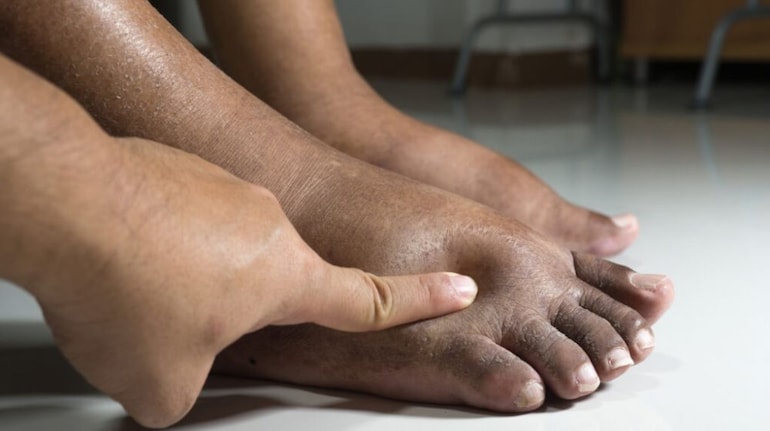
Pedal oedema is abnormal swelling of the feet and the ankles, which occurs as a result of accumulation of excess fluid in the interstitial spaces. It usually develops because of hydrostatic pressure and reduced oncotic pressure. Lymphatic obstruction and retention of sodium can also cause pedal oedema. The swelling may either be unilateral or bilateral.
It is one of the major causes of pedal oedema, which occurs as a result of reduced cardiac output. A reduction in the cardiac output leads to the activation of RAAS mechanism, which consequently leads to sodium and water retention. The venous pressure gets elevated, which consequently leads to causes the fluid to leak into the tissues. Associated symptoms like breathlessness and fatigue are also seen.
Also Read: Nephrologist reveals 7 most common daily habits that cause damage to your kidneys
Swelling in the lower limbs occurs as a result of reduced synthesis of albumin, which results in a low oncotic pressure. The fluid shifts into the interstitial spaces, thus leading to oedema. Other features like jaundice and ascites, along with spider angiomas may be noted as well. Restrictions of salt in the diet is often recommended, along with medications.
This condition leads to a significant loss of protein via urine, thus reducing the oncotic pressure, which subsequently leads to oedema. The urine may be frothy, and facial puffiness and weight gain become common. Diuretic and salt restrictions are advised to deal with this.
CKD can cause fluid retention, as the kidneys often lose their ability to adequately excrete sodium and water from the body. The swelling observed is often present in both lower limbs and is progressive in nature. Other symptoms like fatigue, nausea and itching over the body may also be noticed. Creatinine levels and renal imaging can aid in diagnosis. A reduced urine output must be reported to the healthcare provider.
Also Read: What you should know about chronic kidney disease and its warning signs
It is the development of a clot in the deep veins of the lower limbs, which causes pedal oedema due to obstruction of the veins. This results in pitting oedema and hyperpigmentation of the skin. A Doppler ultrasound aids in identifying this condition, and procedures like sclerotherpay may be recommended.
Discover the latest Business News, Sensex, and Nifty updates. Obtain Personal Finance insights, tax queries, and expert opinions on Moneycontrol or download the Moneycontrol App to stay updated!
Find the best of Al News in one place, specially curated for you every weekend.
Stay on top of the latest tech trends and biggest startup news.









