- My Alerts
- Go Ad-Free
-
My Account











Ascites: Causes, symptoms, and best treatment options for abdominal fluid build-up
Ascites refers to an abnormal accumulation of fluid in the abdominal cavity, most commonly due to liver cirrhosis and portal hypertension. It may also arise from cardiac disease, malignancy, infections, and metabolic causes.




1/10

Liver-related fluid build-up
Ascites is a condition where there occurs an excessive collection of fluid in the abdomen. There are changes in the physical forces that maintain the movement between blood capillaries and surrounding tissues. It can occur due to a variety of reasons, and it points to some underlying pathology (Images: Canva)
Ascites is a condition where there occurs an excessive collection of fluid in the abdomen. There are changes in the physical forces that maintain the movement between blood capillaries and surrounding tissues. It can occur due to a variety of reasons, and it points to some underlying pathology (Images: Canva)
2/10
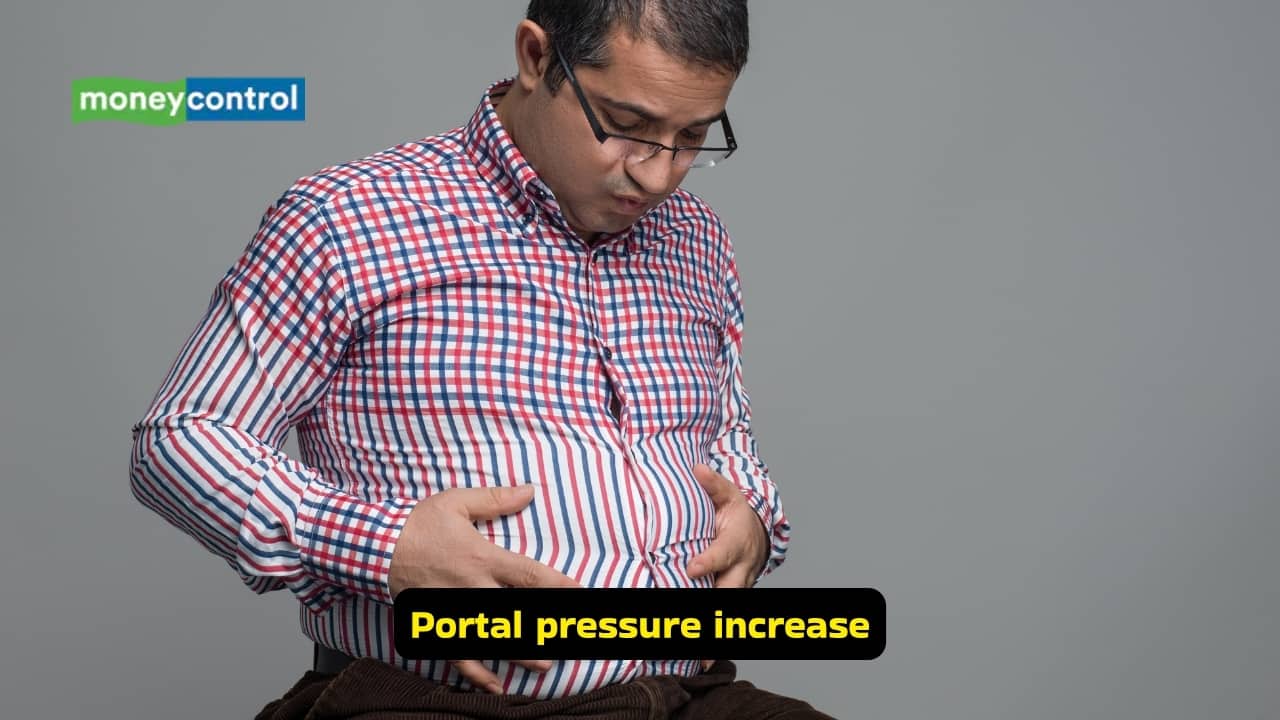
Portal pressure increase
Ascites can occur because of an increase in the pressure of sinusoids in the liver, which causes the fluid to be pushed out into the abdominal cavity. One of the most common causes of ascites is liver cirrhosis, which also predisposed to portal hypertension.
Ascites can occur because of an increase in the pressure of sinusoids in the liver, which causes the fluid to be pushed out into the abdominal cavity. One of the most common causes of ascites is liver cirrhosis, which also predisposed to portal hypertension.
3/10

Chronic alcohol intake
Long-term intake of alcohol can lead to fatty liver, and subsequently hepatitis or liver cirrhosis. Later, the amount of protein in the blood reduced, because the liver (responsible for protein metabolism also) is deleteriously affected. Recurrent episodes of alcoholic hepatitis can increase the risk.
Long-term intake of alcohol can lead to fatty liver, and subsequently hepatitis or liver cirrhosis. Later, the amount of protein in the blood reduced, because the liver (responsible for protein metabolism also) is deleteriously affected. Recurrent episodes of alcoholic hepatitis can increase the risk.
4/10

Chronic viral hepatitis
The numerous pathologies of liver, like chronic hepatitis B and C infections lead to a long-term inflammation of the hepatic parenchyma. This ultimately causes ascites, and reactivation of such diseases, or even an acute flare, can worsen pre-existing ascites.
The numerous pathologies of liver, like chronic hepatitis B and C infections lead to a long-term inflammation of the hepatic parenchyma. This ultimately causes ascites, and reactivation of such diseases, or even an acute flare, can worsen pre-existing ascites.
5/10

NAFLD and metabolic factors
NAFLD, also known as Non-Alcoholic Fatty Liver Disease, leads to the deposition of excessive fibrous connective tissues in the damaged or inflamed liver. Pre-existing morbidities like obesity, diabetes and deranged lipid profile worsen this disease, which often results to ascites.
NAFLD, also known as Non-Alcoholic Fatty Liver Disease, leads to the deposition of excessive fibrous connective tissues in the damaged or inflamed liver. Pre-existing morbidities like obesity, diabetes and deranged lipid profile worsen this disease, which often results to ascites.
6/10
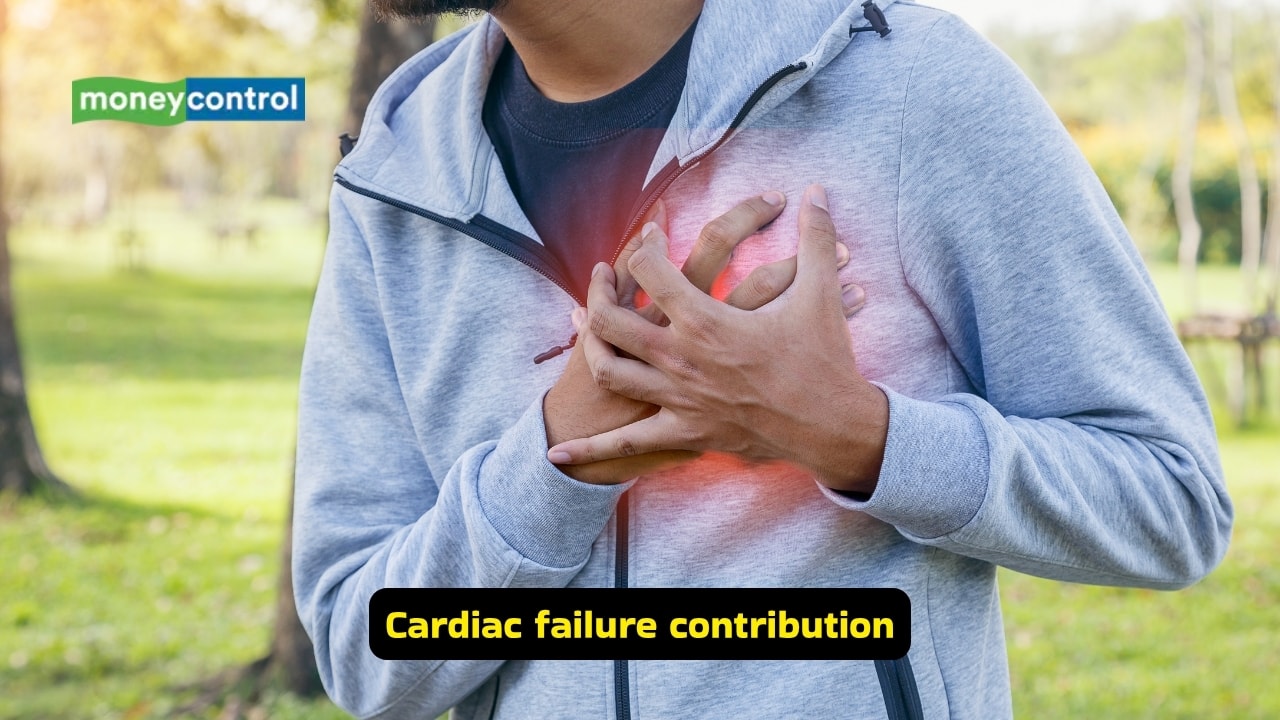
Cardiac failure contribution
It is not only the problems in liver that cause ascites. Conditions of the heart, like right-sided or biventricular heart failure can also lead to the accumulation of free fluid in the peritoneal cavity. This increases the pressure in the veins of the liver, which further result in hepatic congestion.
It is not only the problems in liver that cause ascites. Conditions of the heart, like right-sided or biventricular heart failure can also lead to the accumulation of free fluid in the peritoneal cavity. This increases the pressure in the veins of the liver, which further result in hepatic congestion.
7/10
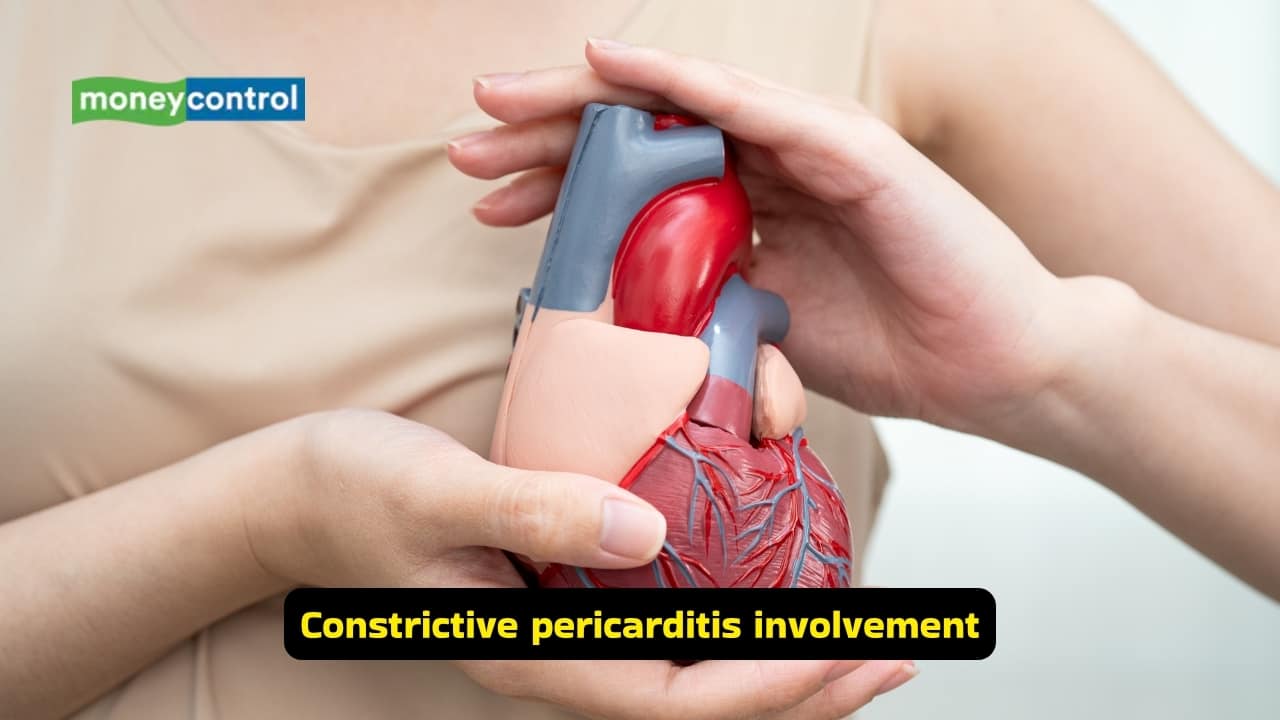
Constrictive pericarditis involvement
Pericardium is the double-layered sac that surrounds the heart and protects the major blood vessels. It prevents the heart from overstretching, or getting infected. Inflammation of this layer, called constrictive pericarditis, causes ascites, which becomes way more prominent than the pedal swelling.
Pericardium is the double-layered sac that surrounds the heart and protects the major blood vessels. It prevents the heart from overstretching, or getting infected. Inflammation of this layer, called constrictive pericarditis, causes ascites, which becomes way more prominent than the pedal swelling.
8/10
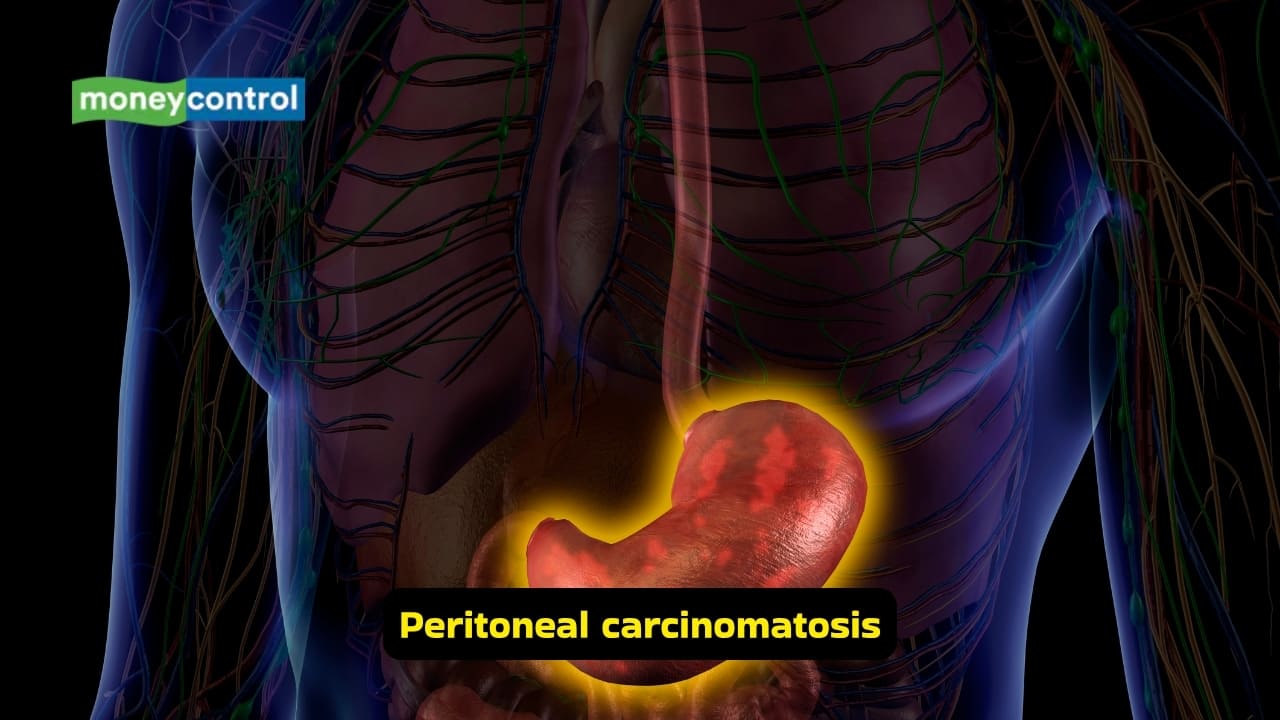
Peritoneal carcinomatosis
Carcinomas or malignancies may also lead to ascites, if they affected organs like the ovaries, the stomach or the pancreas. Colon cancers can also seed the peritoneum, which causes further increase in the permeability of the blood vessels. The ascites caused by this condition is often massive.
Carcinomas or malignancies may also lead to ascites, if they affected organs like the ovaries, the stomach or the pancreas. Colon cancers can also seed the peritoneum, which causes further increase in the permeability of the blood vessels. The ascites caused by this condition is often massive.
9/10
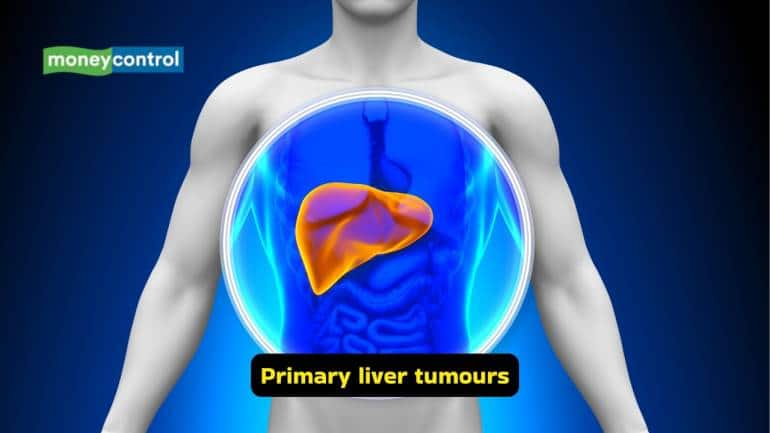
Primary liver tumours
Hepatocellular carcinoma, or tumours that develop in the liver from other sites, can lead to fluid accumulation. Tumour-related portal hypertension increases the risk of fluid retention, as does systemic inflammation. If liver cirrhosis is present alongside, it can worsen the situation.
Hepatocellular carcinoma, or tumours that develop in the liver from other sites, can lead to fluid accumulation. Tumour-related portal hypertension increases the risk of fluid retention, as does systemic inflammation. If liver cirrhosis is present alongside, it can worsen the situation.
10/10
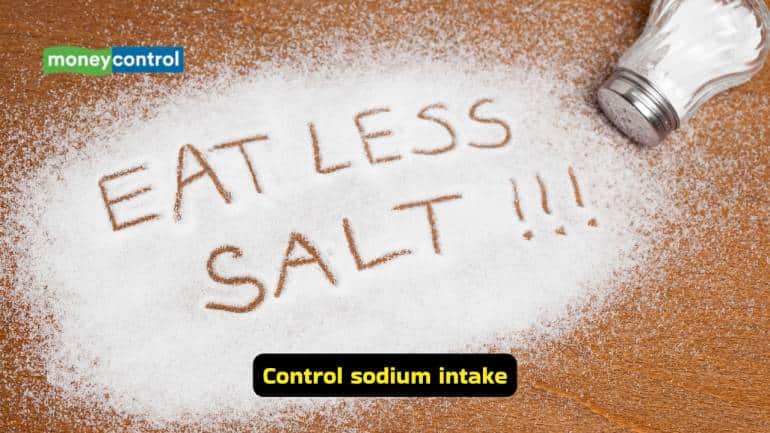
Sodium intake control
One of the ways of managing ascites is the restriction of sodium in the diet. The intake should be reduced, so that the negative sodium balance can mobilise the fluid. It is not usually required though, unless the affected individual has severe hyponatremia (reduced sodium levels). (Disclaimer: This article, including health and fitness advice, only provides generic information. Don’t treat it as a substitute for qualified medical opinion. Always consult a specialist for specific health diagnosis)
One of the ways of managing ascites is the restriction of sodium in the diet. The intake should be reduced, so that the negative sodium balance can mobilise the fluid. It is not usually required though, unless the affected individual has severe hyponatremia (reduced sodium levels). (Disclaimer: This article, including health and fitness advice, only provides generic information. Don’t treat it as a substitute for qualified medical opinion. Always consult a specialist for specific health diagnosis)
Discover the latest Business News, Budget 2025 News, Sensex, and Nifty updates. Obtain Personal Finance insights, tax queries, and expert opinions on Moneycontrol or download the Moneycontrol App to stay updated!



