






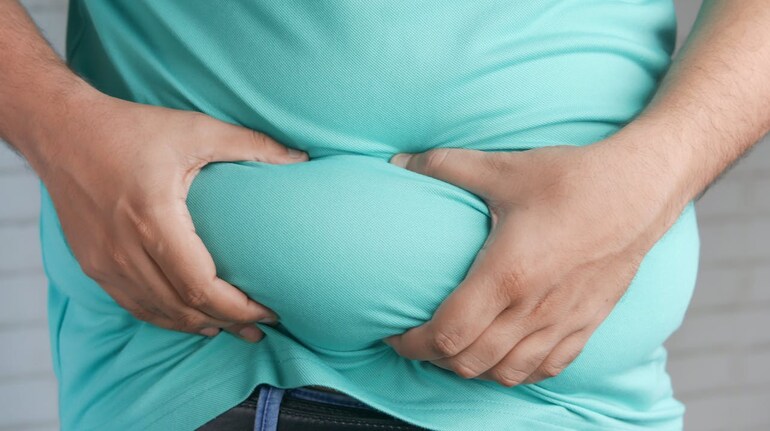

For decades, body mass index, or BMI, has been the standard measure of obesity. However, a new study from Mass General Brigham reveals that nearly 70% of U.S. adults could now fall under the obesity bracket far higher than previous estimates. The reason they say is; where fat sits on the body matters as much as how much there is.
Body composition is crucial, says Dr Lindsay Fourman, endocrinologist and co-first author of the study. “We have always thought we understood obesity, but when we look at fat distribution, we find many people at risk who were previously considered healthy.” Researchers found that abdominal and visceral fat, not captured by BMI alone, increases the risk of diabetes, heart disease, and even early death.
The study examined data from over 300,000 adults and applied a broader definition of obesity developed by the Lancet Diabetes and Endocrinology Commission. Those with a normal BMI but high waist or hip measurements were now included in the obesity category, while those with high BMI and additional fat indicators were classified as “BMI-plus-anthropometric obesity.” The results showed that obesity rates jumped from 43% under traditional BMI to 68.6% under the new criteria, with older adults and those over 70 most affected.
Also Read: Obesity: 7 scary ways excess weight raises cancer risk in women, how to cut it down
This new perspective on obesity suggests a critical shift in how people think about health. BMI alone is no longer enough. “It’s not just pounds on a scale,” says Grinspoon. “Where your body stores fat can be the difference between a healthy life and serious disease.”
1. Why is waist fat more dangerous than other types of fat?
Waist fat, particularly visceral fat, surrounds internal organs and is linked to higher risks of diabetes, heart disease, and early death compared to fat stored in other areas.
2. How can I measure my waist fat?
Waist circumference and waist-to-hip ratio are common methods to measure abdominal fat, providing a better prediction of health risks than weight alone.
3. Can someone with a normal BMI still be considered obese?
Yes, individuals with a normal BMI but high waist or hip measurements may fall into the category of “anthropometric-only obesity” under the new definition.
4. What are the health risks associated with anthropometric-only obesity?
People with anthropometric-only obesity may have higher rates of diabetes, cardiovascular disease, and mortality despite having a normal BMI.
5. How can I reduce my waist fat?
Targeted treatments, lifestyle changes, and preventive measures such as a balanced diet and regular exercise can help reduce waist fat and lower health risks.
Disclaimer: This article, including health and fitness advice, only provides generic information. Don’t treat it as a substitute for qualified medical opinion. Always consult a specialist for specific health diagnosis.
Discover the latest Business News, Sensex, and Nifty updates. Obtain Personal Finance insights, tax queries, and expert opinions on Moneycontrol or download the Moneycontrol App to stay updated!
Find the best of Al News in one place, specially curated for you every weekend.
Stay on top of the latest tech trends and biggest startup news.










