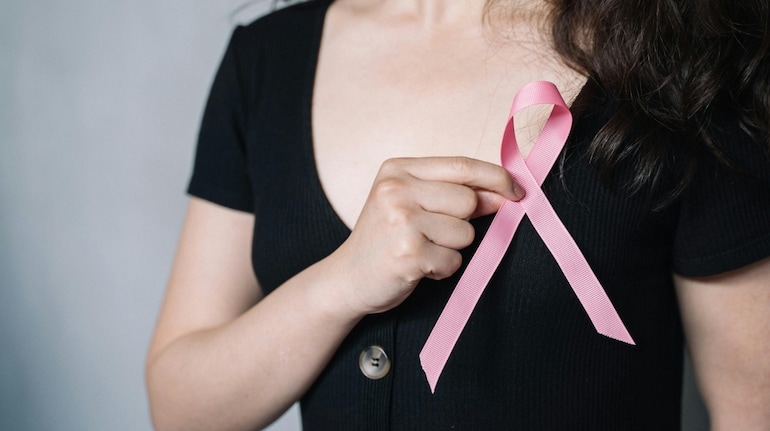
Breast cancer has become common in the recent times. According to a new Lancet Oncology study, it's the leading cause of cancer-related deaths among Indian women, overtaking lung and oesophageal cancers. Plus, most cases are being caught far too late, when options for treatment are fewer, costlier, and less effective.
Nearly two-thirds of Indian women with breast cancer are diagnosed at Stage III or IV, when survival rates fall. “Despite advances in treatment, nearly half of all patients do not survive.” says Dr Naveen Sanchety, Director, Surgical Oncology, Sarvodaya Hospital, Faridabad. According to the 2022 PMC Report, late diagnosis, lack of standardised screening, and delays in treatment are the major culprits.
“Early detection is important. When breast cancer is caught early, survival chances are excellent. But unfortunately, most women come to us when it's already advanced.”
Also read: Doctor explains 9 hidden signs of brain tumors including headaches and forgetfulness
Dr Sanchety shares 8 things every Indian woman should know about breast cancer:
Dense breast tissue not only increases your risk but also makes cancers harder to detect on mammograms.If you have dense breasts, ask your doctor about advanced imaging like 3D mammograms or MRIs.
Have a mother, sister, or daughter who had breast or ovarian cancer?You may carry the BRCA1/2 genes. Genetic counselling and early screening can help create a personalised prevention plan.
Early periods, late menopause, and long-term hormone replacement therapy (HRT) all increase your risk. “It’s important to discuss the risks of HRT with a doctor,” advises Dr Sanchety.
The more you breastfeed, the better. Studies show it naturally lowers breast cancer risk by balancing hormones and helping shed damaged cells.
Know your own body. A self-breast exam every month—ideally between days 10–14 of your cycle—can help you spot early signs like lumps, dimpling, or changes in shape.
A sedentary lifestyle, smoking, drinking, and obesity after menopause all increase your risk. “Just 150 minutes of exercise a week makes a difference,” says Dr Sanchety.
A painless lump in your breast or underarm might seem harmless, but it’s often the first sign of cancer. Never wait—get it checked right away.
Also read: Are your supplements harming your gut? Cancer surgeon reveals the truth
Redness, discharge (especially bloody), retracted nipples, or skin thickening (like orange peel) should never be ignored. Early clinical evaluation could be life-saving.
The World Health Organization urges regular self-exams, mammograms for women over 40, and clinical breast exams every 2–3 years. These basic steps could drastically reduce mortality, but only if they’re widely adopted.
FAQs breast cancer:
1. What is breast density and how does it affect cancer detection?
Dense breast tissue increases your risk of breast cancer and makes cancers harder to detect on mammograms. If you have dense breasts, ask your doctor about advanced imaging like 3D mammograms or MRIs.
2. How important is family history in breast cancer risk?
If your mother, sister, or daughter had breast or ovarian cancer, you may carry the BRCA1/2 genes. Genetic counselling and early screening can help create a personalised prevention plan.
3. What are the hormonal risks associated with breast cancer?
Early periods, late menopause, and long-term hormone replacement therapy (HRT) all increase your risk. “It’s important to discuss the risks of HRT with a doctor,” advises Dr Sanchety.
4. Does breastfeeding affect breast cancer risk?
Yes, the more you breastfeed, the better. Studies show it naturally lowers breast cancer risk by balancing hormones and helping shed damaged cells.
5. How can monthly self-exams help in detecting breast cancer?
A self-breast exam every month—ideally between days 10–14 of your cycle—can help you spot early signs like lumps, dimpling, or changes in shape.
6. What lifestyle changes can reduce the risk of breast cancer?
A sedentary lifestyle, smoking, drinking, and obesity after menopause all increase your risk. “Just 150 minutes of exercise a week makes a difference,” says Dr Sanchety.
7. What should I do if I notice unusual lumps or swelling?
A painless lump in your breast or underarm might seem harmless, but it is often the first sign of cancer. Never wait—get it checked right away.
8. What nipple or skin changes should be watched for?
Redness, discharge (especially bloody), retracted nipples, or skin thickening (like orange peel) should never be ignored. Early clinical evaluation could be life-saving.
Disclaimer: This article, including health and fitness advice, only provides generic information. Don’t treat it as a substitute for qualified medical opinion. Always consult a specialist for a specific health diagnosis
Discover the latest Business News, Sensex, and Nifty updates. Obtain Personal Finance insights, tax queries, and expert opinions on Moneycontrol or download the Moneycontrol App to stay updated!
Find the best of Al News in one place, specially curated for you every weekend.
Stay on top of the latest tech trends and biggest startup news.