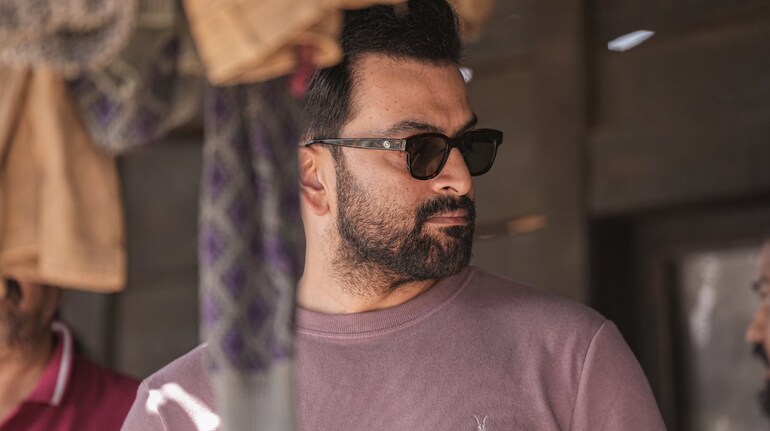
Prithviraj Sukumaran, one of Indian cinema’s most celebrated actors and filmmakers, is gearing up for the release of his ambitious directorial venture, L2: Empuraan. The sequel to his 2019 blockbuster Lucifer, this project represents the growing trend of sequels and franchises dominating the global and Indian film industries.
Prithviraj recently delved into the subject, offering thought-provoking insights into the business and creative rationale behind sequels, as well as the contrasting dynamics of theatrical cinema and streaming platforms.
The Rise of Sequels and Franchises
Prithviraj Sukumaran acknowledges the growing success of sequels, attributing much of their popularity to audience demand and business considerations. “The trend is popular because it makes business sense—that’s actually the truth of it,” he states, emphasizing how franchises naturally generate heightened interest, particularly when they build upon successful universes.
Using the example of Baahubali, Sukumaran points out how its massive success highlighted the potential of multi-part storytelling. He believes this trend set a benchmark, proving that audiences are willing to invest in long-form narratives when the story genuinely warrants it.
“If a director makes a film, and that film is a huge success, the next natural step is to say that the story belongs to the same universe or is a continuation. Immediately, the interest spikes,” Prithviraj Sukumaran explains.
He further notes that this heightened interest often translates into a secure foothold for sequels, as both audiences and streaming platforms gravitate toward recognizable brands. However, he stresses that this approach must remain grounded in narrative necessity. “You should be doing a part two or part three only because you have a story that needs two or three films to be told,” he asserts.
Reflecting on his own journey, Sukumaran contrasts the structure of Lucifer with its upcoming sequel. While Lucifer was crafted as a standalone film, L2: Empuraan has been designed as part of a three-film arc. “We’re taking a chance with part two because, at the end of part two, I think the audience will walk out of the theatre thinking, ‘Well, now, to understand the rest of the story, we will have to see part three.’” This deliberate narrative planning, he believes, ensures that sequels serve the story rather than the business alone.
Theater vs. Streaming: Two Distinct Mediums
In recent years, the rapid rise of OTT platforms has transformed how audiences consume content. When asked if the growing popularity of long-form content on streaming services has influenced the trend toward sequels and franchises, Sukumaran rejects the idea of conflating the two formats. “No, I don’t think you can mix the two,” he says. “Streaming services and theatres serve two completely different forms of viewer engagement.”
Sukumaran elaborates on the unique appeal of theatrical cinema, describing it as a communal experience that fosters shared moments among the audience. “Theatres are for you to walk into a big hall with 500 people, switch off the lights in complete darkness, preferably switch off your mobile phones, and only have communication with the screen—nothing else,” he explains. This collective engagement, he notes, heightens the emotional impact of the story. “The wonderful facet about community viewing is that the community becomes part of your experience. If there’s a clap-worthy moment, 500 people are clapping with you. If you’re laughing, 500 people are laughing with you.”
On the other hand, streaming platforms offer a more personalized and flexible form of storytelling. “In streaming services, it’s a very personal equation,” Sukumaran says. He highlights how these platforms allow viewers to pause, resume, or even re-watch content at their convenience, giving them control over their viewing experience. This flexibility, he believes, has expanded the scope for storytelling, enabling creators to explore deeper narratives and nuanced characters. However, he cautions against equating the two formats, stating, “Feature films that release theatrically and content that’s made for streaming services are completely two different formats of entertainment.”
The Business and Art of Storytelling
Despite the commercial pressures often associated with sequels and franchises, Sukumaran emphasizes the importance of keeping storytelling at the forefront. “But ideally, the business aspect shouldn’t be the driving force behind doing this. It should be that your story needs to be told across so many films or your story needs that kind of runtime to be completed,” he says. For him, the narrative should dictate the medium, not the other way around.
Sukumaran also reflects on the craftsmanship involved in filmmaking, whether for theaters or streaming platforms. “The crafts remain the same in terms of filmmaking, cinematography, and all that, but the way you envision it, the way you write it, and the way you serve it are completely different between the two,” he notes. This distinction, he believes, underscores the need for creators to adapt their storytelling techniques based on the platform while staying true to the essence of the narrative.
A Balanced Future
As the industry continues to evolve, Sukumaran remains optimistic about the coexistence of theatrical and streaming formats. With L2: Empuraan, he aims to demonstrate how sequels can strike a balance between audience expectations and narrative depth. He hopes the film will reinforce the magic of the communal theatrical experience while also contributing to the growing trend of multi-part storytelling.
Sukumaran’s perspective offers valuable insights into the future of cinema, highlighting the need for thoughtful and intentional storytelling. Whether through the collective engagement of theaters or the intimate flexibility of streaming, the power of a well-told story remains universal. “At the end of the day, it’s about making a story resonate—whether that happens with 500 people in a theater or one person on a streaming platform,” he concludes. Through his work, Sukumaran continues to champion the art of storytelling, proving that its value transcends mediums and formats.
Discover the latest Business News, Sensex, and Nifty updates. Obtain Personal Finance insights, tax queries, and expert opinions on Moneycontrol or download the Moneycontrol App to stay updated!
Find the best of Al News in one place, specially curated for you every weekend.
Stay on top of the latest tech trends and biggest startup news.