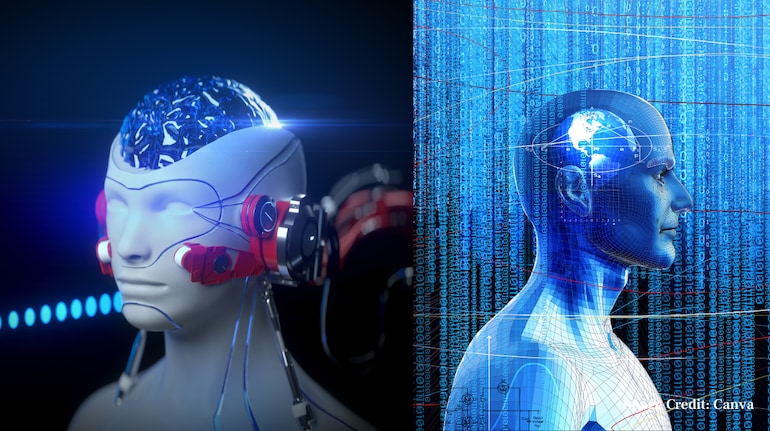
In a world increasingly dominated by artificial intelligence, the way we interact with information is undergoing a dramatic shift. What began as a quiet revolution in how we search, read, and write has now sparked a deeper question: are we still thinking for ourselves, or letting machines do it for us?
With tools like ChatGPT now woven into everything from classrooms to boardrooms, experts are beginning to ask if the convenience of AI could be quietly dulling our most essential human skill, the ability to think critically.
For decades, the internet promised to democratize knowledge. Search engines offered access to a world of information, and social media gave everyone a voice. But the arrival of generative AI has taken things a step further. These tools don’t just help us find answers, they give us the answers, often with impressive fluency and confidence.
That’s exactly what makes them so useful and so potentially risky.
Instead of encouraging people to explore, compare, and question, AI systems often present information as final, polished, and unquestionable. The result? Many users are beginning to skip the messy process of learning altogether, settling instead for neatly packaged conclusions.
The bigger concern is not whether AI makes mistakes, it’s whether people will stop caring enough to notice. When machines offer fast answers, it’s easy to overlook the importance of asking good questions.
Educators and psychologists have started observing what they call “cognitive outsourcing”, the habit of delegating not just tasks, but thinking itself to machines. Over time, this could lead to a drop in attention spans, problem-solving skills, and even creativity, abilities once considered uniquely human.
What’s emerging is a stark divide between two types of AI users.
On one hand are those who treat tools like ChatGPT as intellectual shortcuts. They copy responses, rely on summaries, and rarely verify facts. On the other hand are those who use AI more deliberately, as a brainstorming partner, a thought provoker, or a tool for expanding understanding.
The second group does not avoid effort, they enhance it. And in doing so, they are redefining what it means to be “smart” in the digital age.
The truth is, AI does not “make” anyone smart or stupid, it’s just a tool. Like a calculator or a car, its impact depends entirely on how it’s used. The real challenge lies in teaching people, especially students and young professionals, not to substitute machine answers for original thought.
Some educators are already adapting, designing assignments that require analysis, reflection, and multiple perspectives. Workplaces, too, are beginning to value AI literacy, not just in how to use it, but how to question it.
As AI becomes more capable, society must decide how to balance convenience with cognition. Will we let machines flatten complexity into simple outputs? Or will we use their power to ask better questions, explore bolder ideas, and unlock deeper thinking?
The answer might shape more than how we learn or work. It could determine how we grow as thinkers, creators, and as a society.
Discover the latest Business News, Sensex, and Nifty updates. Obtain Personal Finance insights, tax queries, and expert opinions on Moneycontrol or download the Moneycontrol App to stay updated!
Find the best of Al News in one place, specially curated for you every weekend.
Stay on top of the latest tech trends and biggest startup news.