






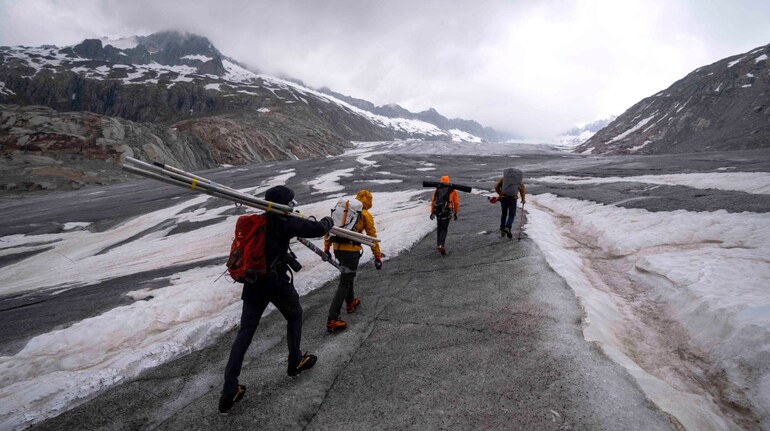

High-altitude soldiering is not just “hard”. It is biologically hostile. Around 20,000 feet, every routine function your body takes for granted at sea level gets costlier, slower, and easier to derail.
On glaciers like Siachen, troops operate in a zone where oxygen is scarce, dehydration is constant, sleep is broken, and cold injury can begin with something as simple as damp socks or a tight boot. This is why the physiology matters. The tactics, kit, and even decision-making style at these heights are shaped by what the human body can and cannot do.
Thin air: Why you feel weaker before you even lift a rifle
At high altitude, the problem is not “less oxygen in the air” so much as less oxygen pressure pushing oxygen into your blood. The result is lower oxygen saturation, faster breathing, and a heart that has to work harder even at rest.
Over time, the body adapts by breathing more, producing more red blood cells, and making small changes that improve oxygen delivery. But this process takes time, and the first days are the danger zone.
This is why acclimatisation is treated like a training syllabus, not a suggestion. If ascent is too fast, you can get acute mountain sickness, and in severe cases, fluid can leak into the lungs, known as high altitude pulmonary edema, or the brain, known as high altitude cerebral edema. These are emergencies, not “tough it out” conditions, and they can turn fatal quickly without descent and treatment.
Cold is not one problem. It is many problems that stack up
Cold exposure in glacier warfare is rarely the dramatic “freezing to death” scenario people imagine. It is more often a chain reaction: wind strips heat, sweat dampens layers, gloves come off for fine motor work, circulation drops, and then tissue starts getting damaged.
Frostbite is the headline risk, but trench-foot-style injuries, chilblains, and non-freezing cold injury can also knock soldiers out of action. Cold reduces dexterity and grip strength, which matters when you are clipping ropes, handling weapons, or even opening a buckle in the dark. And once your hands stop working properly, mistakes multiply.
Even in combat-linked accounts from Siachen, frostbite shows up as a major casualty driver because cold injury does not wait for a firefight. It just waits for exposure.
Breathing cold, dry air quietly dehydrates you
At altitude, you lose more water just by breathing, because each breath humidifies dry air. Add heavy clothing, exertion, and limited access to warm fluids, and dehydration becomes the default setting. Dehydration thickens blood, worsens fatigue and headaches, and can make altitude illness harder to manage.
The catch is that dehydration can feel “normal” up there. People simply accept dry mouth, dark urine, and low appetite as part of the posting. That is exactly why commanders push hydration discipline and warm drinks as if they are operational tasks, because they are.
Sleep gets worse, and so does judgment
High-altitude sleep is often fragmented. Many people develop periodic breathing, a cycle of faster breathing followed by pauses. Even when you “sleep”, the recovery is poor, and the next day you are slower to react, more irritable, and more prone to risky calls.
This is not a personality issue. It is physiology. Combine poor sleep with hypoxia, and cognitive performance can dip in ways that are subtle but dangerous: slower reaction time, reduced attention, and worse decision-making under stress. On ice and rock, where one wrong step can be a fall, that matters.
High altitude illness: What it looks like on the ground
Acute mountain sickness often starts like a bad hangover: headache, nausea, dizziness, poor appetite, unusual fatigue. The mistake is treating it as “weakness” rather than a warning light.
High altitude pulmonary edema can show up as breathlessness that feels out of proportion to effort, a cough that worsens, and an inability to lie flat comfortably.
High altitude cerebral edema can look like severe headache, confusion, clumsiness, and altered behaviour. The key point from high-altitude medicine guidelines is consistent: if symptoms are worsening, do not keep climbing, and do not “wait it out” at the same altitude. Descent is treatment.
Medical countermeasures exist, but they are not magic. Drugs like acetazolamide can help with acclimatisation in some situations, and medications like dexamethasone or nifedipine may be used in specific severe illness contexts under medical direction. But none of these replaces the basics: staged acclimatisation, symptom honesty, and rapid descent when a case is turning.
The hidden hazards: Carbon monoxide, avalanches, and trauma physiology
Glacier warfare adds risks that do not exist on most battlefields. Heating and cooking in enclosed shelters can create carbon monoxide exposure, which is especially dangerous because its symptoms can mimic altitude sickness: headache, nausea, fatigue.
That confusion can delay the right response. Some reporting and safety pushes around high-altitude posts have highlighted the need for better monitoring and prevention because the environment makes small errors costly.
Then there is avalanche and fall trauma, where rescue is slow, weather shuts windows quickly, and hypothermia can set in while the casualty is still technically alive. Even outside major incidents, minor injuries can become operational problems because healing is slower in cold, hypoxic environments.
What “fitness” means at 20,000 feet
Sea-level fitness helps, but it does not immunise you. A very fit person can still get high altitude pulmonary edema. A tough person can still get frostbite. And a disciplined person can still make a bad call after three nights of broken sleep and constant hypoxia.
So the real performance advantage at glacier altitude is compliance with the unglamorous rules: slow ascent, smart layering, dry feet, warm fluids, buddy checks, and early reporting of symptoms. On the world’s highest front lines, physiology is not background context. It is part of the order of battle.
Discover the latest Business News, Sensex, and Nifty updates. Obtain Personal Finance insights, tax queries, and expert opinions on Moneycontrol or download the Moneycontrol App to stay updated!
Find the best of Al News in one place, specially curated for you every weekend.
Stay on top of the latest tech trends and biggest startup news.





