







Eight years after the Maharashtra government announced an ambitious plan to build permanent helipads in every taluka, the policy remains largely on paper, with most districts failing to identify or reserve land for such facilities.
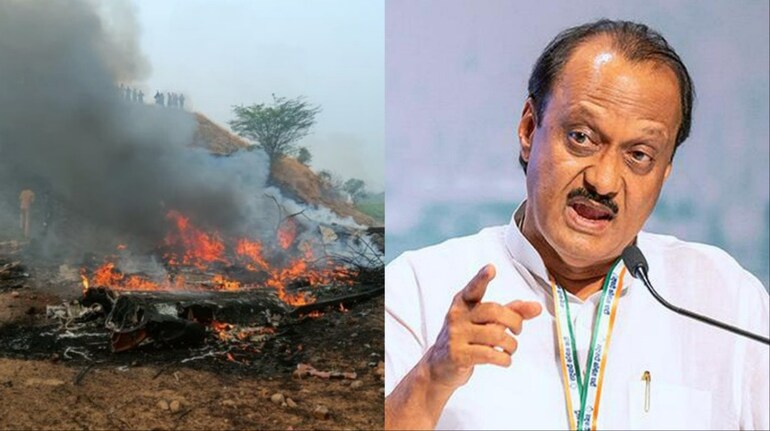
The issue has gained spotlight after the death of Maharashtra Deputy Chief Minister Ajit Pawar on Wednesday in a tragic plane crash. Pawar was heading to Baramati when his plane crashed.
The helipad policy was introduced in 2018 following a series of near-miss helicopter incidents involving Devendra Fadnavis during his first term as CM. The government had proposed developing 358 permanent helipads, one in each taluka, to ensure safer, standardised and well-regulated helicopter operations, especially during VIP movements and emergencies.
However, officials admit that progress on the ground has been minimal due to land constraints, rapid urbanisation and lack of consistent follow-up by district administrations.
A government resolution (GR) issued in 2018 directed all district collectors to identify suitable land and initiate planning for permanent helipad sites. These locations were also supposed to be reserved in development plans as no-development zones to prevent future obstructions.
“That never really happened. Dedicated land parcels were not earmarked as mandated,” a senior government official was quoted by The Times of India as saying. The official added that the policy needs to be reviewed and made more practical.
Instead of developing permanent sites, district administrations have continued to rely on open grounds, playgrounds and temporary locations whenever helicopter landings are required. “No fresh sites were formally planned or reserved,” the official said.
Urban growth makes implementation difficult
Officials say rapid construction and shrinking open spaces have made it increasingly difficult to find land that meets the policy’s safety requirements.
The policy specifies that helipads and surrounding areas within a 500-metre radius must be free from electric wires, communication cables, towers, transformers and tall structures. Sites should also be away from densely populated areas and have two-way road access for ambulances and fire engines.
“Where is such land available now, especially in developed districts?” asked another senior official.
Policy demands more than just land
A retired senior government official said identifying land alone is not enough. “The policy also requires proper barricading, trained staff, security arrangements, ambulances, firefighting services and medical officers on site. Implementing all of this in every taluka is extremely challenging,” he was quoted by TOI as saying.
Under the policy, crowds must be kept at least 300 metres away from landing sites, and only authorised personnel are allowed inside the helipad area. District collectors are responsible for ensuring safety, security and emergency preparedness during helicopter operations.
While states like Haryana and West Bengal have operationalised similar helipad policies, Maharashtra’s plan continues to struggle.
Discover the latest Business News, Sensex, and Nifty updates. Obtain Personal Finance insights, tax queries, and expert opinions on Moneycontrol or download the Moneycontrol App to stay updated!
Find the best of Al News in one place, specially curated for you every weekend.
Stay on top of the latest tech trends and biggest startup news.





