TRENDS
OPINION | Justice Surya Kant’s tenure begins amid reform imperatives
Justice Surya Kant, brings decades of distinguished service, marked by landmark rulings on free speech, privacy, and human rights, and faces crucial judicial reform challenges ahead. He takes oath as the next CJI on November 24

TRENDS
OPINION | What is the real issue ‘My Lords’?
Despite explicit court orders, Bar Council resolutions, and even petitions seeking to ban such colonial honorifics, their persistence raises a deeper question: is this merely a colonial relic that refuses to fade, or an institutional compulsion the judiciary itself continues to uphold?
TRENDS
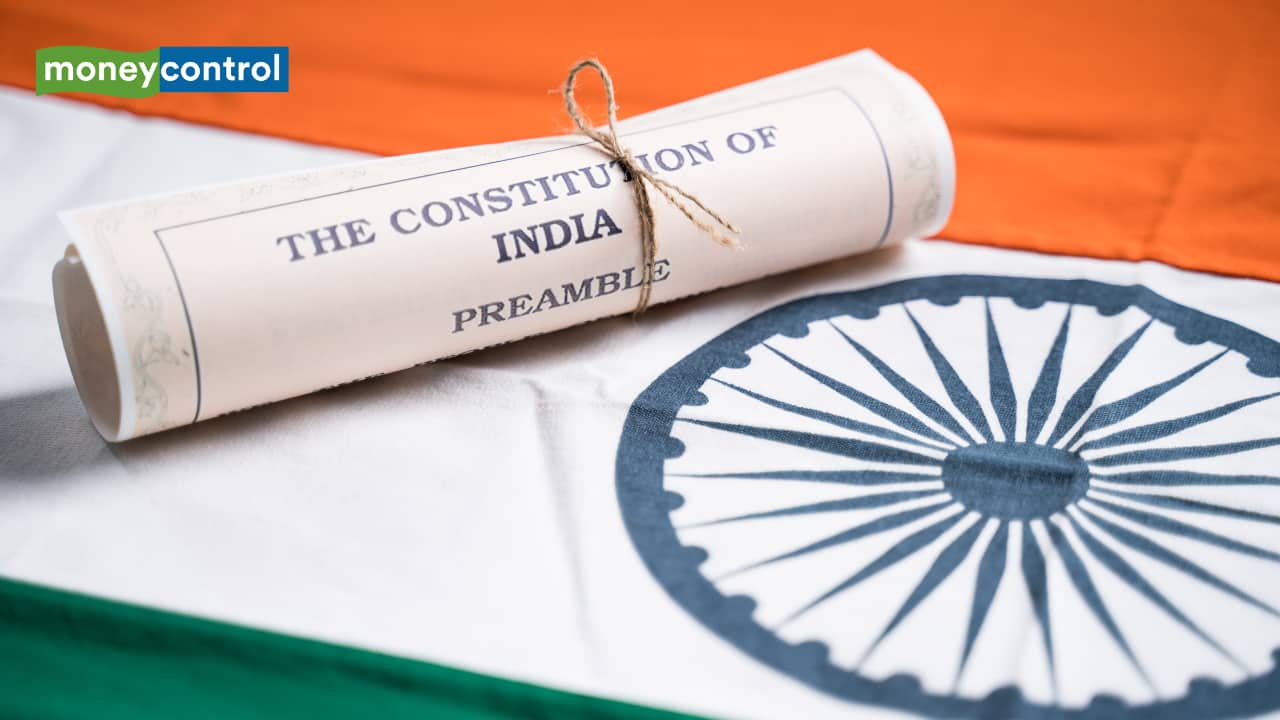
OPINION | The Constitution Made Accessible: A new scholarly analysis in Hindi
‘Hum Bharat Ke Log: Bhartiya Samvidhan Par Nau Nibandh’ (We, the People of India: Nine Essays on the Indian Constitution), represents a significant step towards making serious constitutional scholarship available in Hindi. The paucity of scholarship in Indian languages represents a drawback in making the foundational document more accessible

INDIA
OPINION | Manual Scavenging: When the Supreme Court saw its own order being violated at its own gate
Laws, judgments, and penalties can only go so far unless accompanied by a strong administrative will to eradicate this inhuman practice once and for all. The sight of a worker entering a sewer outside the Supreme Court is not just a failure of governance; it is a collective failure of conscience

POLITICS
OPINION | India’s Secular Dilemma: Balancing faith and the State
In India, religion is not limited to personal belief; it is deeply woven into the social fabric and continuously shapes citizen–state interactions. In such a context, maintaining a strict and absolute separation between state and religion becomes exceedingly difficult
BUSINESS
OPINION | The enduring impact of judicial dissent
A dissent in the Supreme Court may not be an explanation in a lost cause. Jurisprudence is filled with examples where a subsequent generation saw merit in the logic undergirding an earlier dissent and mainstreamed it
INDIA
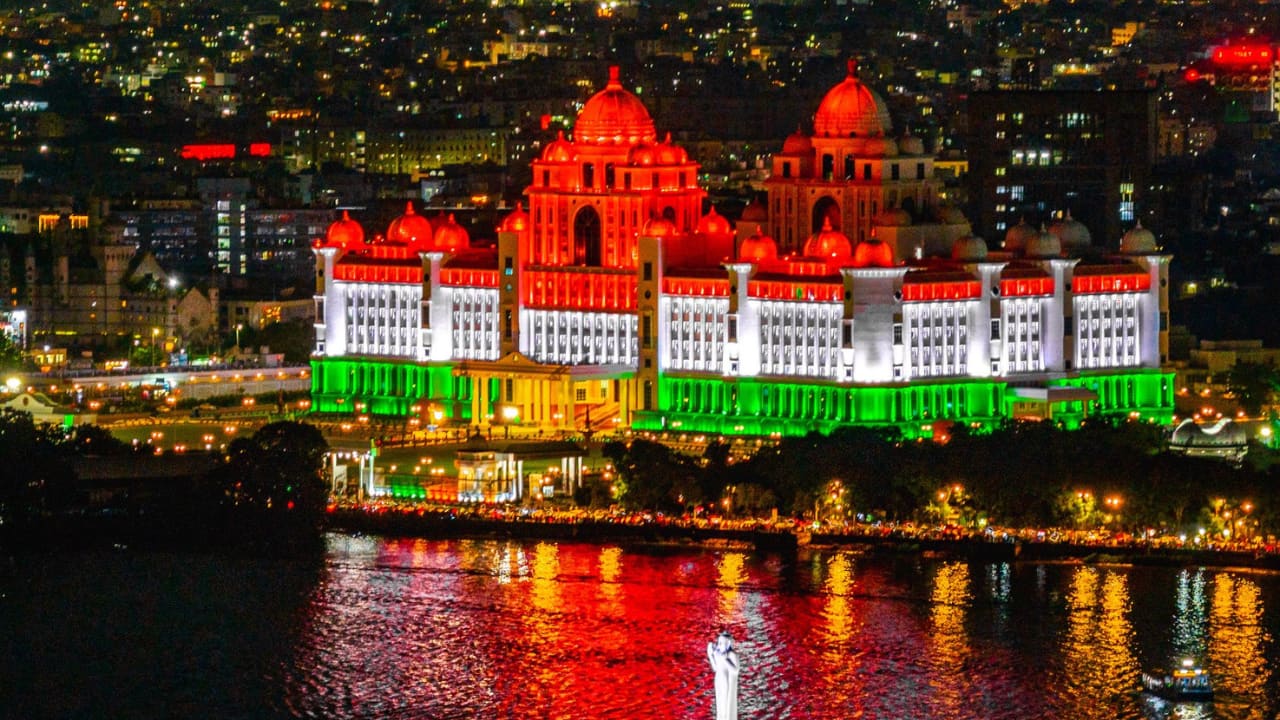
OPINION | Hyderabad’s Journey from Independence to Integration: The fall of the Nizam
Hyderabad's reluctant accession to India in 1948 followed intense negotiations and military action. The Nizam resisted integration until Operation Polo decisively ended their defiance, leading to Hyderabad’s inclusion in India
![[In]Complete Justice: Reflecting on the Supreme Court at 75 -- triumphs and trials](https://images.moneycontrol.com/static-mcnews/2025/09/20250912092814_Supreme-Court--378x213.png "[In]Complete Justice: Reflecting on the Supreme Court at 75 -- triumphs and trials")
TRENDS
[In]Complete Justice: Reflecting on the Supreme Court at 75 -- triumphs and trials
The book ‘[In]Complete Justice: The Supreme Court at 75, Critical Reflections’ critically examines the Supreme Court's evolution, highlighting its successes, failures, judicial activism, and key reforms. It explores the Court’s role in shaping India’s democracy, law, and social justice
TRENDS
OPINION | Reforming the collegium system will preserve judicial independence, not undermine it
For the judiciary to remain independent, it must first acknowledge its own flaws and correct them. Ignoring the cracks in the Collegium only invites external intervention, which would compromise its autonomy
INDIA
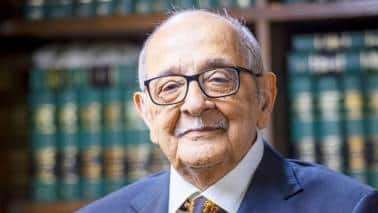
Legally Speaking: Insights from Fali Nariman's life
A collection of his writings published over a year after his demise represent rare reflections of a legal luminary who observed and analysed society through the lens of law and law through a broader socio-legal prism—rendering even the most mundane observations vivid and engaging
TRENDS
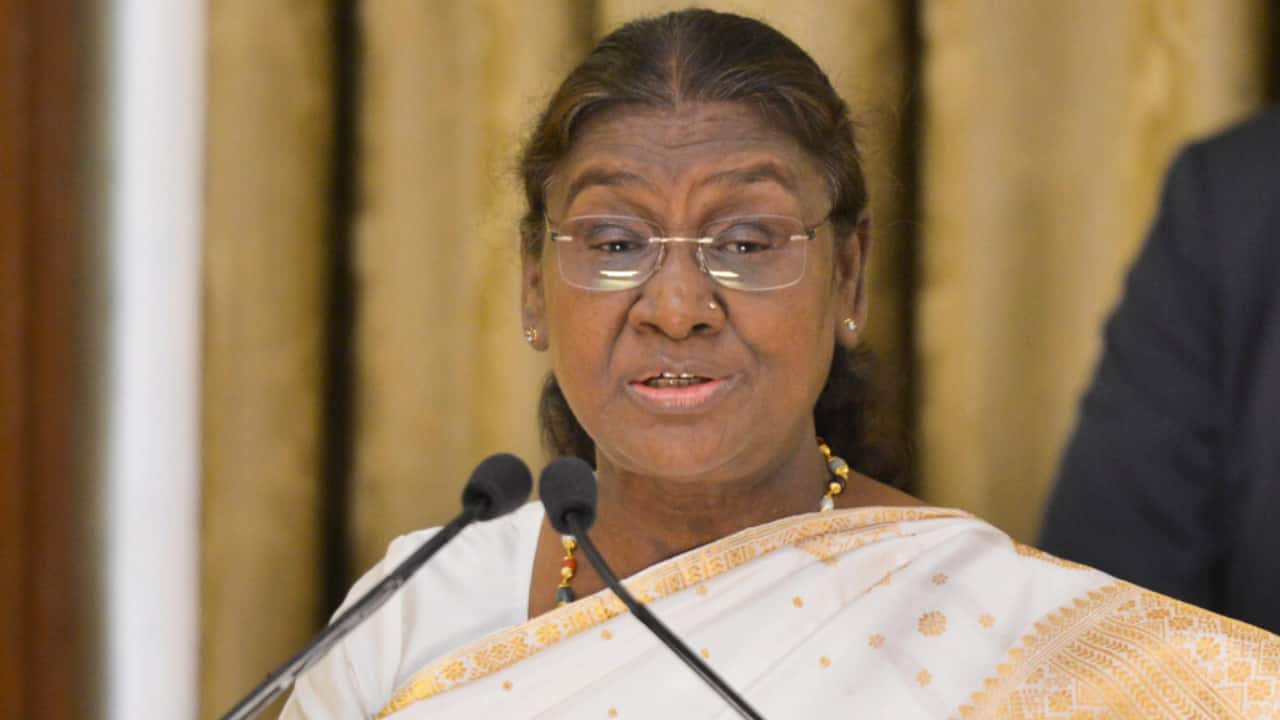
Presidential Reference once again brings Parliament–Judiciary supremacy tussle to the fore
An ongoing hearing in the Supreme Court on a Presidential Reference has brought to the fore the perennial tussle between legislature and judiciary on the issue of which body is supreme. The widely accepted idea is that it’s the Constitution that is supreme and higher judiciary interprets it. A deeper look at the long and yet unresolved issue follows
POLITICS
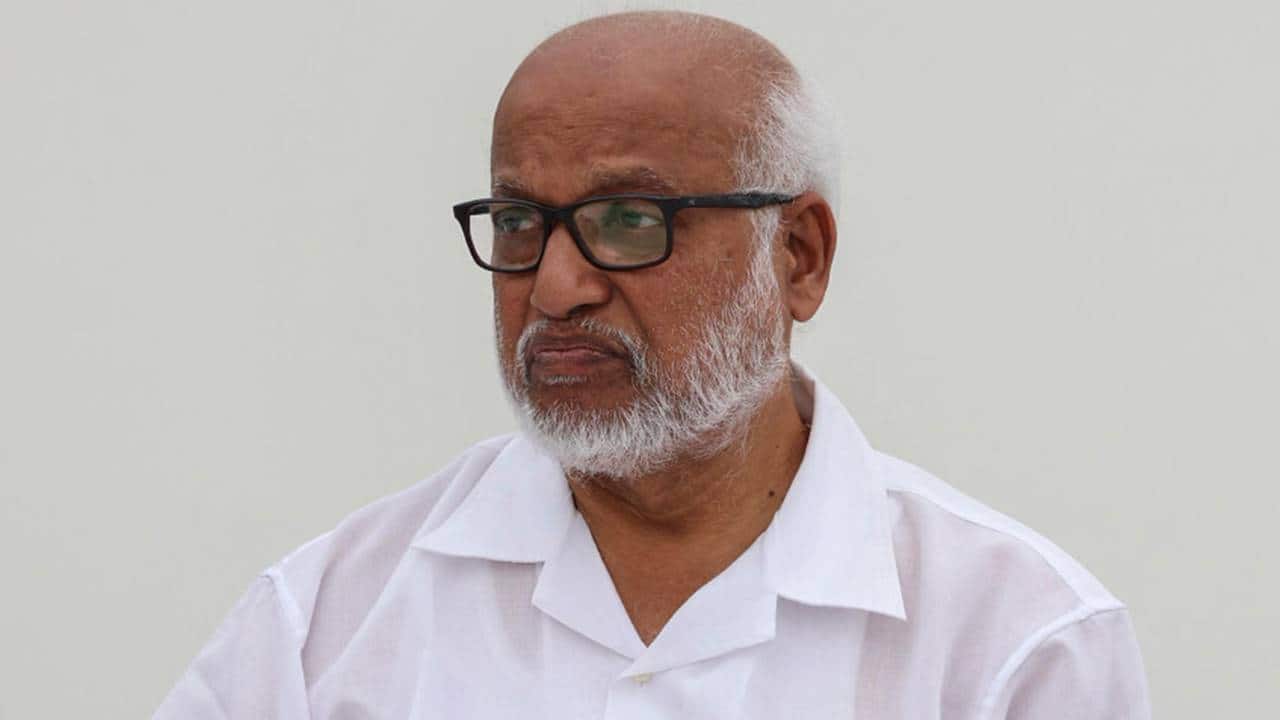
Sudershan Reddy was a judge committed to upholding human rights and a critic of neoliberalism
Opposition grouping INDIA’s VP candidate described himself as a “liberal Constitutional democrat”. A scrutiny of his most widely discussed verdicts as a Supreme Court judge shows that this description is accurate. His deepest commitment lay in upholding human rights
TRENDS
When courts find no one guilty after a crime, it’s the justice system that’s in the dock
Two high profile terror cases recently collapsed in different courts. The judgements held the prosecution guilty of doing shoddy work, which led to acquittals. However, none of the acquitted are likely to be ever free of suspicion following years of trial and jail terms. These acquittals show that investigation, the first step towards ensuring justice, is a weak link in the chain
TRENDS
Justice in Despair: How India’s judiciary mishandles sexual harassment allegations within its ranks
Supreme Court addressed and remedied the legal vacuum in sexual harassment through an innovative approach. It then took the Parliament more than a decade to address the issue through legislation. The judiciary’s pioneering effort, however, has been undone by the tardy and unsympathetic approach to complaints from within the institution

POLITICS
Second in Line, Not in Power: The office of India’s Vice-President
The Indian Vice-President occupies a high office structurally, but his influence is largely circumscribed by the limited and situational nature of his executive authority. A close examination of the powers and functions of the Vice-President reveals that they are almost entirely rooted in his role as the ex-officio Chairman of the Rajya Sabha

INDIA
Beyond Observations: Why social media needs statutory regulation
Hundreds of cases are being registered against people for ‘defamatory’ and abusive posts every day. In the absence of proper guidelines, the police are exercising wide discretion in registering such cases—a discretion that, in most instances, lacks sound legal reasoning and often appears outright arbitrary
TRENDS
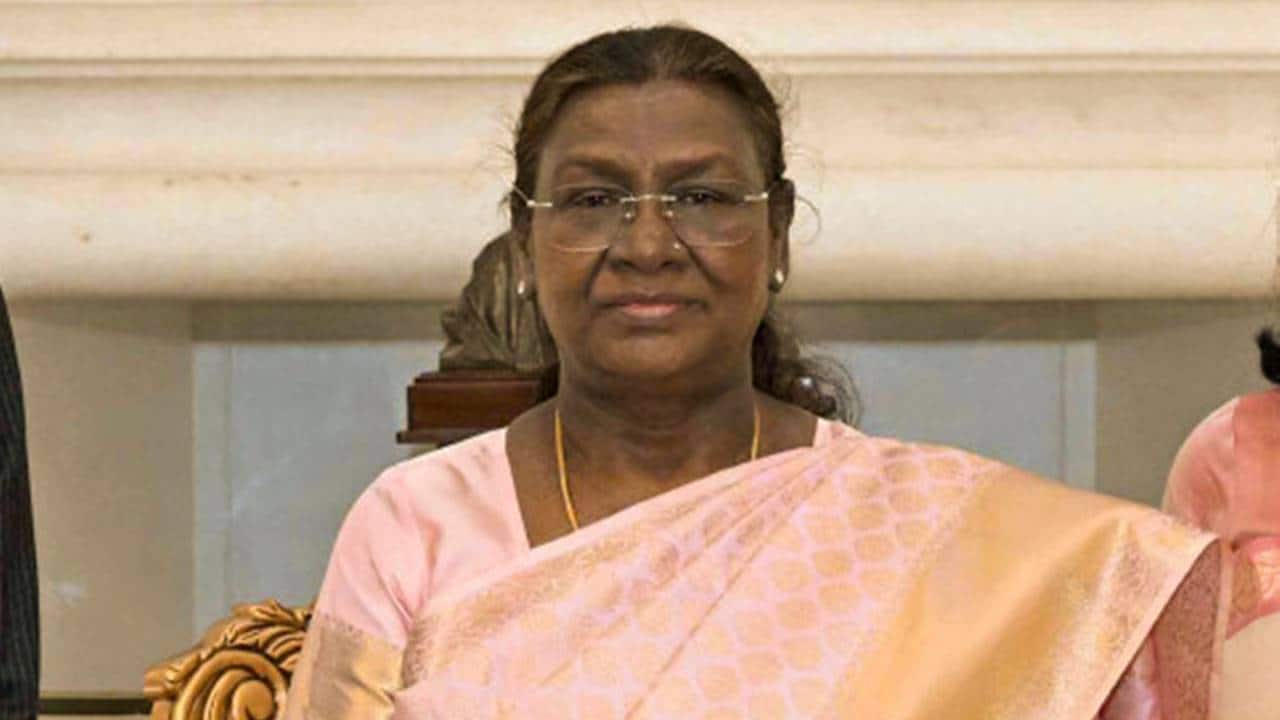
Presidential Reference under Article 143: A quiet force in constitutional evolution
Article 143 has not only served as a means of constitutional clarification but has also helped shape the trajectory of India’s constitutional development in a way that continues to safeguard the foundational principles of justice and separation of powers

TRENDS
Parliament may move to impeach Justice Yashwant Varma, but history offers little hope
The impending impeachment motion against Justice Yashwant Varma highlights India’s weak judicial accountability, where past cases show judges often resign to evade scrutiny, undermining public trust in the judiciary’s integrity
TRENDS
Judiciary treats Constitution’s preamble as a no-go area
RSS general secretary Hosabale wants a discussion on whether a decision to introduce the words “socialist” and “secular” in the Constitution in 1976 should be reversed. When asked to decide on the same issue earlier, the judiciary has signalled that it’s the Parliament’s call
TRENDS
44th Amendment: Restoring constitutional safeguards and limiting emergency powers
The Forty-Fourth Amendment (1978) reversed the Emergency-era changes, strengthening democratic safeguards by restricting executive powers, protecting fundamental rights, and ensuring stricter parliamentary oversight during national emergencies
POLITICS
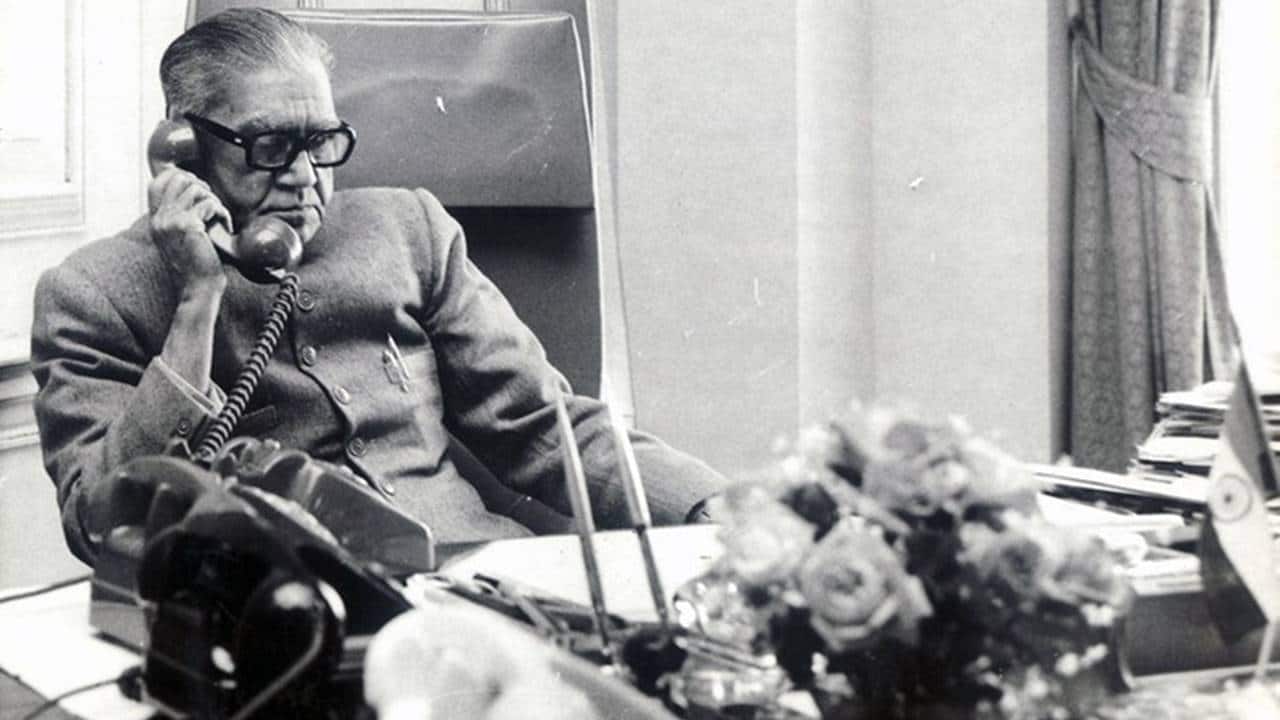
President’s Role in the Emergency: Fakhruddin Ahmed's unchallenged decision severely criticised
President Fakhruddin Ali Ahmed’s approval of the 1975 Emergency proclamation, without Cabinet consultation, has been widely criticised for undermining constitutional norms and raising questions about the President’s discretionary powers and duty
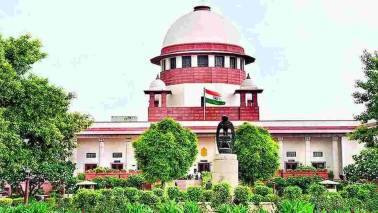
INDIA
Justice HR Khanna’s dissent in the Emergency’s infamous ADM Jabalpur case still resonates
Emergency was one the worst phases for the Supreme Court as it failed to provide the necessary check on the excesses of the political and permanent executives. This failure was encapsulated in the ADM Jabalpur case when the majority in the five-member bench ruled that people could not question their detention. Justice HR Khanna provided the sole dissent and was superseded for it. His dissent, however, echoes to this day and serves as a reference point
POLITICS
Fali Nariman, a beacon of moral courage when Emergency was proclaimed
Fali Nariman was Additional Solicitor General of India when Emergency was declared. He resigned in protest, displaying moral fibre when it was scarcely discernible in the executive or judiciary. A look at that tumultuous period through his experiences provides an important takeaway. Once laws remove restraints on the executive, they will act with 'hobnailed boots'

POLITICS
Shashi Tharoor and Ram Madhav on the Constitution is about depth versus dispassion
Their recent books on the Constitution approach it through political lens. It makes the comparison interesting as their approach is from different ends of the political spectrum. A reviewer concludes that while Madhav takes a dispassionate look at the role of framers, Tharoor is more polemical