








POLITICS
Sorry Guv, even you have a deadline
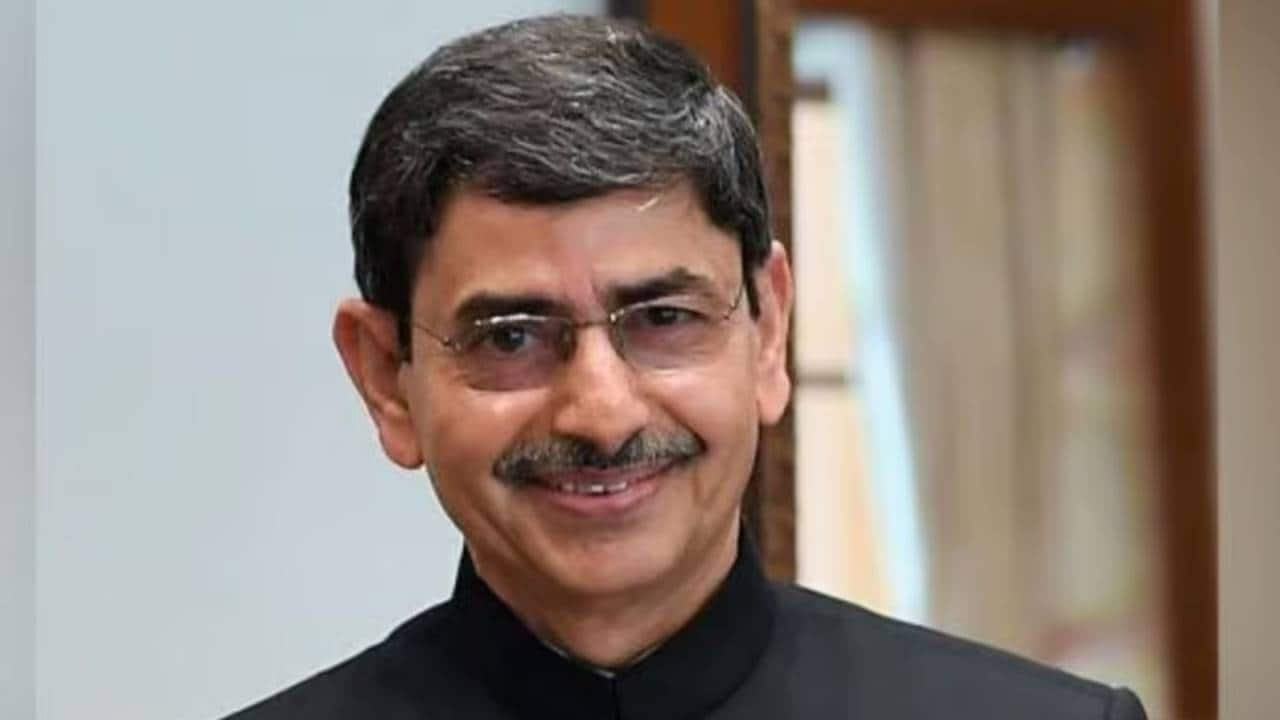
Politics in India at the sub-national level plays out through the Governor’s office. It’s mainly taken the form of Governors sitting on bills passed by State Assemblies by exploiting loopholes in the Constitution. Supreme Court on April 8 closed one such loophole by explicitly setting a timeline for Governors to act when Bills are presented to them. It bodes well for federalism

TRENDS
'Cash at Judge's Door' case: Obstacles at every stage
Retired judge Nirmal Yadav was acquitted last week in the infamous case involved delivery of cash. If there’s a takeaway in this drawn-out case, it is that the prosecution faces a near-impossible task when it is entrusted with a matter of alleged judicial corruption

TRENDS
The procedure of the in-house probe in case of judicial misconduct
There’s an in-house inquiry on to ascertain the truth in the matter of the discovery of half-burnt currency notes in the residence of Delhi High Court judge, Justice Yashwant Varma. This mode of inquiry is about three decades old and evolved as a measure to cope with allegations of judicial misconduct

BUSINESS
A 'wall' that is hard to breach
Telangana’s Assembly this month passed a bill with the support of the state’s major political parties to push overall reservation beyond the 50 percent barrier. That’s a tall order as attempts by states such as Bihar and Maharashtra in the recent past have been struck down by the Supreme Court. Decades of jurisprudence on reservation have accommodated multiple points of view but getting past the 50 percent barrier is anything but easy
TRENDS
Can the judiciary ever be made accountable?
Official misconduct and impropriety are not rare in any branch of the state. What sets the judiciary apart is its lack of accountability. The judges of the higher judiciary, that is, the Supreme Court of India and High Courts, are accountable only to Parliament. However, enforcement of accountability through this mechanism is practically non-existent
INDIA
Justice Chandrachud was his own man, a disadvantage in a world obsessed with pigeonholing
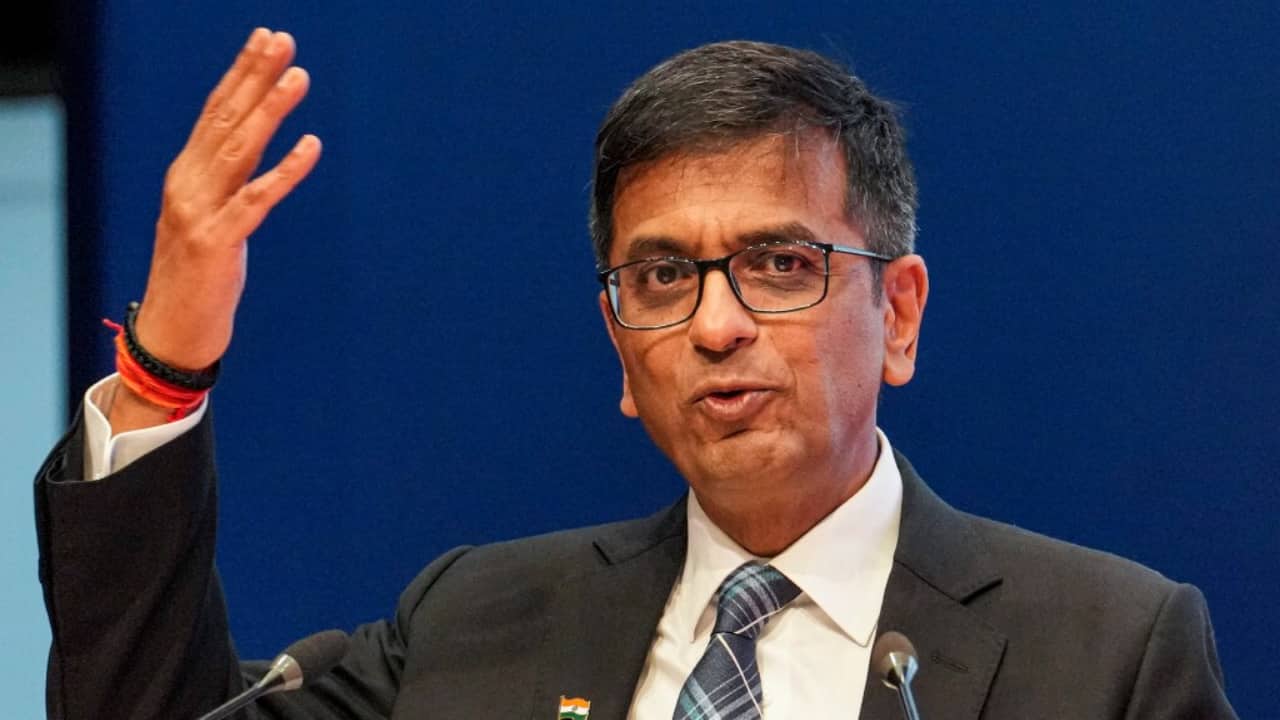
A judge’s most important qualification is impartiality and non-commitment to any particular idea or point of view. But, in a highly polarised world, neutrality can be seen as a lack of commitment rather than a principled stance. However, neutrality can also be a form of resistance—an assertion that one refuses to be manipulated into extreme positions

TRENDS
Bail has to be the rule if clearing judicial backlog matters
The apex court has tilted in favour of privileging fundamental rights over statutory laws if the prosecution takes an inordinate time to finish investigation. In a related area, there are more than four million pending criminal cases which began over a decade ago. Many languish in jail as undertrials. Is there a way to clear the backlog without being more liberal about bail?

TRENDS
The consequential afterlife of judiciary’s oral observations
Oral observations may not find their way into a formal order. However, they can leave a lasting impression on people, even if they are made in an offhand way. They also run the risk of diluting judicial accountability

POLITICS
History and politics of appointments to Election Commission
In Constituent Assembly debates, there was a consensus that the right to vote should be treated as a fundamental right and, therefore, integrity of electoral process is of paramount importance. As Supreme Court hears a challenge to the Parliament’s law on the composition of the selection committee for EC, also at stake is the question of separation of powers between the judiciary, legislature and executive
POLITICS
Fault lines over Waqf Amendment Bill
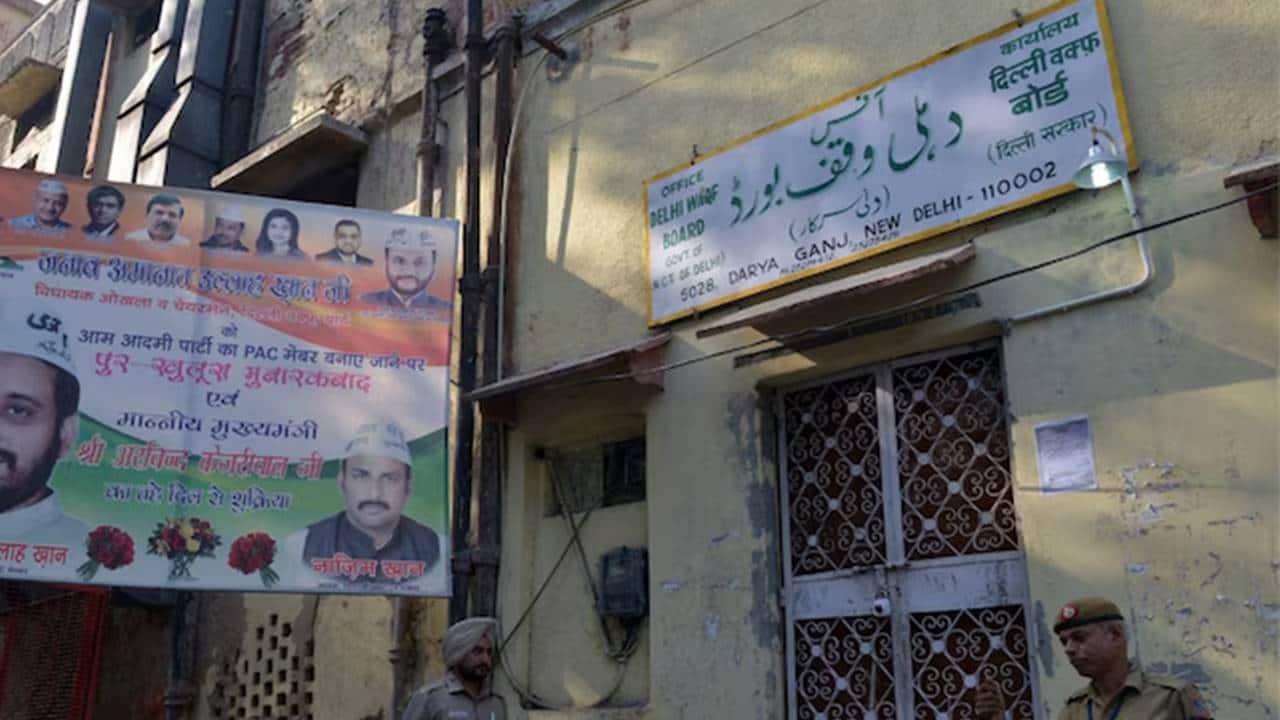
Amendments to 1995 law governing Waqf properties have led to a particularly fractious showdown between the government and opposition. A look at the points of difference reveals that the most contentious is one which makes it mandatory for Waqf Boards to appoint two non-Muslims, triggering a debate on whether laws governing other religions have a similar requirement

TRENDS
Can the Supreme Court become an interim Parliament?
This month the Supreme Court will hear a matter examining the scope of Article 141 of the Constitution which says that the law declared by the apex court shall be binding on all courts. The underlying issue centers on a test of legitimacy of legislative power or the Supreme Court’s power under Article 141.
INDIA
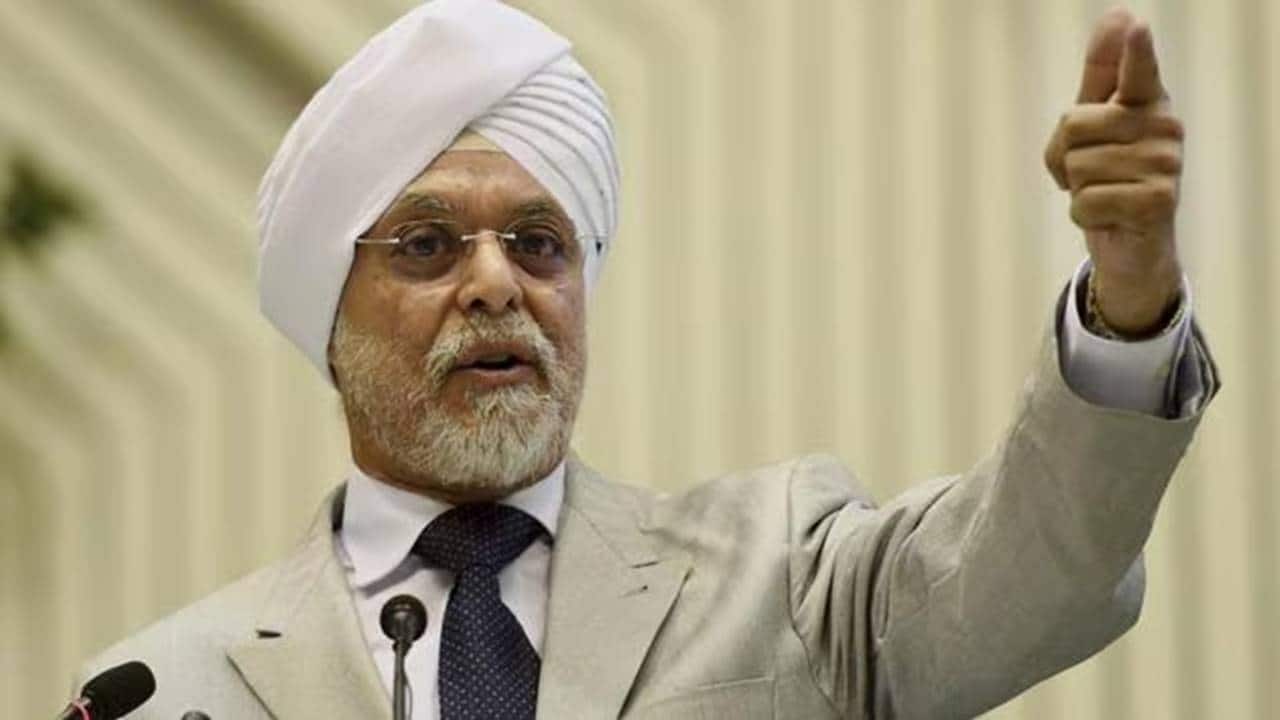
Former CJI Khehar earns government’s appreciation despite taking contrarian positions
He was awarded Padma Vibushan this year. One of the noteworthy aspects of his tenure at the apex court is that his judgements, particularly in the NJAC case, ran counter to what the government argued. The Padma award is a measure of his credibility

TRENDS
All about India’s tryst with defamation law
Jurisprudence favours a balance between free expression and the right to protection of one’s reputation. A Law Commission recommended that in India defamation be retained within the scheme of criminal laws. The tricky part still remains the search for the line of demarcation between acceptable speech and damage to one’s reputation
TRENDS
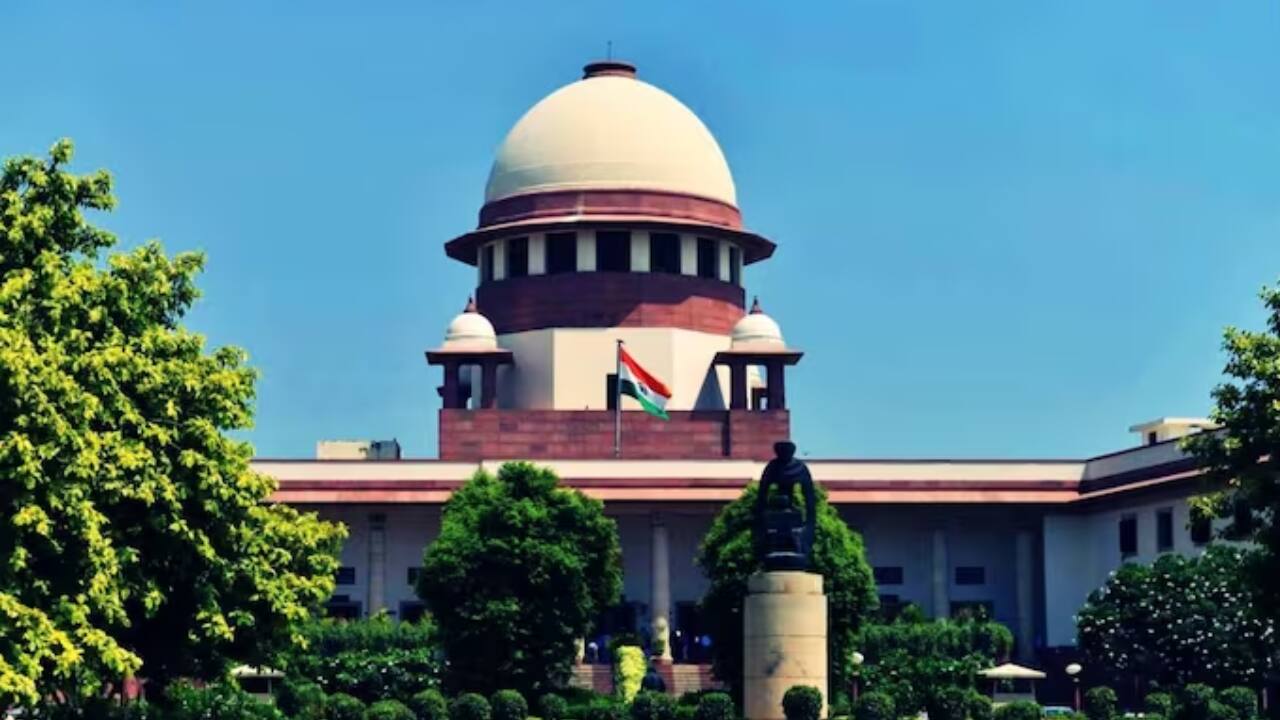
As Supreme Court turns 75, a look at some of its milestones
Created by the Constitution, the Supreme Court in the words of the first Chief Justice HJ Kania has 'goodwill and sympathy for all, but is allied to none.'

TRENDS
Fali Nariman’s acute observations are a launch pad for research on Constitutional issues
An anthology of writings and speeches of the eminent jurist, who passed away last year, contain insightful observations on perennial issues such as corruption and contempt of court. They will continue to be a reference point of many a debate on legal issues
TRENDS
An Indian judge whose work left its mark on judiciary in other lands
Justice AN Grover was one of three judges superseded after having been a part of the majority in the landmark ‘Basic Structure’ judgement. He was also part of the bench which decided on the ‘Bank Nationalisation’ and ‘Privy Purses’ cases. Of the three it is ‘Basic Structure’ which left its imprint in other jurisdictions as brought out in an insightful biography of Justice Grover

TRENDS
2024 in Supreme Court: Eight judgements which will reverberate
It was an eventful year with consequential verdicts delivered by constitutional benches. We pick eight of them which impact events down the line. Other than judgements, there were other decisions at the apex court which evoked strong reactions from stakeholders

TRENDS
Weaponisation of Section 498A
In 1983, IPC added Section 498A to protect married women from harassment at the hands of her husband. A law introduced with good intentions has been over the years turned in it's head. It has become in many instances of a breakdown in the marriage, a tool to harass not just the husband but also his relatives

POLITICS
A Constitution is as good as the people and political parties who work it
As the Parliament gears up for a debate on the Constitution, we revisit BR Ambedkar’s closing speech to the Constituent Assembly where he flagged issues that have contemporary resonance: putting form over substance and partisan loyalties over country. The speech also flags the risk of “Bhakti” worship in politics and the unfinished task of transforming India’s political democracy into a social democracy

POLITICS
The basics of Places of Worship Act and challenges it faces
It’s through the tussle between ensuring ‘communal harmony’ and correcting ‘historical wrongs’ that the Act has been scrutinised in the last three decades
INDIA
Judicial independence is ultimately in the hands of judges
The rule of law is undisputedly one of the most fundamental requirements of the democratic state. And, one ingredient that is essential for enforcing the rule of law is an independent judiciary. That independence can be realised by judges and no one else. As Justice BV Nagarathna said, it’s the “personality” of judges which will determine the extent of judicial independence and autonomy

TRENDS
Who will compensate an innocent whose life is wrecked by the criminal justice system?
Accused wrongfully convicted and jailed for years suffer a “virtual death”. Allahabad High Court recently acquitted a person who was incarcerated for 13 years following a miscarriage of justice. It made an important suggestion, the court acquitting an innocent should be empowered to fix compensation that will be paid by the State for destroying a life

TRENDS
Chief Justice DY Chandrachud — A contested legacy
One of the most consequential heads of the Supreme Court, he leaves behind a mixed legacy. It includes dissents that may in future serve as guideposts, judgements that expanded the scope of fundamental rights and also verdicts which evoked sharp criticism

TRENDS
Supreme Court upholds the idea of limited protection of private property from State takeover
A majority of 8:1 in a landmark Supreme Court judgement overturned a decades old interpretation of the Constitution’s directive principles which allows the State to ensure that ownership and control of the material resources of all private property to subserve common good. Now, the majority opinion has reinterpreted that provision to say that it doesn’t cover all private property. Henceforth, State takeover of private property must be judged by a set of guiding principles