






Nepal’s deepening constitutional crisis over the dissolution of Parliament and the legitimacy of the interim government has raised alarm in New Delhi, with top Indian government sources told News18 that the turmoil could open the door to Chinese interference.
According to Indian agencies, the continuing standoff threatens to create a power vacuum in Kathmandu, which could be “exploited by anti-India forces”. Any delay in holding elections or a prolonged judicial deadlock, they fear, would work to the advantage of these groups.
The legal and political showdown
The confrontation began after President Ram Chandra Paudel dissolved the House of Representatives on the advice of the interim government. The decision, viewed by many as unconstitutional, cut short the Lower House’s tenure and set the stage for fresh elections.
Critics, including major political parties, legal experts, and civil society leaders, argue that the interim government had no authority to recommend Parliament’s dissolution. The controversy escalated to Nepal’s Supreme Court, which formed a constitutional bench led by Chief Justice Prakash Man Singh Raut, joined by Justices Sapana Pradhan Malla, Kumar Regmi, Hari Prasad Phuyal, and Manoj Kumar Sharma.
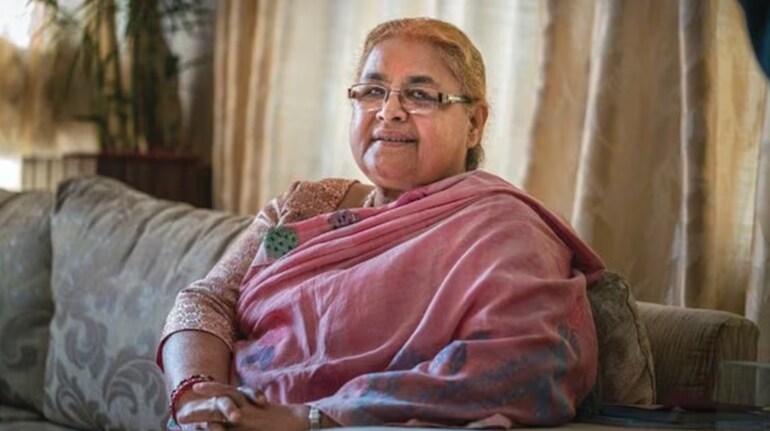
Multiple petitions challenged both Prime Minister Sushila Karki’s appointment and the dissolution itself, contending that they violated the Constitution. Petitioners argued that appointing a former Chief Justice as Prime Minister breaches Article 132(2), while Paudel’s unilateral decision to appoint an interim government without parliamentary recommendation violates Articles 74 and 76. The dissolution, they said, lacked any constitutional clause, making it “plainly unconstitutional.”
Advocates before the court voiced strong objections. Prem Raj Silwal said the government lacked legitimacy and intent to hold elections, while Tikaram Bhattarai accused the President of acting beyond constitutional limits and urged an interim order to restrict the government’s powers. Sher Bahadur KC and Ekaraj Pokharel criticised Karki’s “moral inconsistency and legal ineligibility,” calling it absurd for a non-MP to dissolve Parliament.
Supreme Court proceedings
Justice Malla urged lawyers to focus on whether an interim order should be issued, while Justice Regmi questioned what options existed when the government was formed and whether efforts were made to form another administration.
The constitutional bench will now decide whether to grant an interim order, with the court seeking written responses from both Paudel and Karki about the constitutional basis of their decisions.
India’s strategic concerns
Indian government sources told News18 that the unfolding crisis exposes a governance vacuum that could destabilise Nepal’s democratic institutions and regional security.
They warned that prolonged instability may harm border management, cross-border trade, and intelligence cooperation. “Any delay in elections or judicial paralysis benefits anti-India forces,” a senior official said.
Indian agencies suspect Beijing could attempt to influence Nepal’s judiciary and bureaucracy through proxies. “Paudel’s move to install an interim government under a former Chief Justice reflects political capture of the presidency, undermining Nepal’s separation of powers,” the sources added.
Discover the latest Business News, Sensex, and Nifty updates. Obtain Personal Finance insights, tax queries, and expert opinions on Moneycontrol or download the Moneycontrol App to stay updated!
Find the best of Al News in one place, specially curated for you every weekend.
Stay on top of the latest tech trends and biggest startup news.









