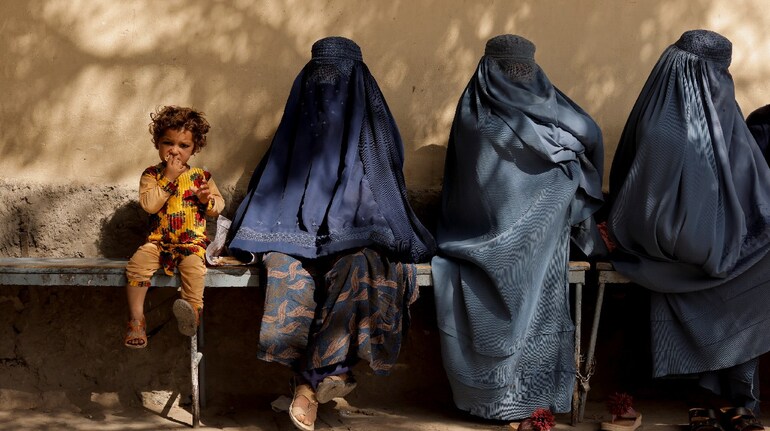
Simin, a 22-year-old in Kabul, never imagined she’d be running a secret beauty salon. Her childhood dream was to become a heart surgeon, but after the U.S. withdrawal in 2021 and the Taliban's return, those aspirations collapsed. With the regime’s sweeping crackdown on women’s rights—including banning female education beyond sixth grade—her only path to survival is now a clandestine salon business, operated in constant fear of arrest, the Washington Post reported.
Life behind closed doors
Simin instructs clients to avoid detection by Taliban patrols and enter through an unmarked door. Her salon, once a thriving hub for Afghan brides, now operates in secrecy after a 2023 ban outlawed all beauty salons for being “un-Islamic.” Makeup, eyebrow grooming, and artificial hair were deemed impermissible, and brides’ expenses were criticized as burdensome for grooms’ families. Despite the threat of detention—confirmed by UN reports—Simin persists, supporting her unemployed family.
The shift to unskilled work
Many women who once ran salons or held government jobs now work out of sight. Sawita, 30, once owned a salon but now teaches leather tailoring in a basement to support her disabled mother and siblings. The loss of her business meant not just a financial crisis, but the loss of independence. “That was my definition of freedom,” she says.
The Taliban's “acceptable” work for women
Taliban officials insist women can work—just not everywhere. According to the Labor Ministry, women are encouraged to work in female hospitals, girls' schools, prisons, and gender-segregated markets. These settings, they say, ensure “safety and security.” Some, like 50-year-old entrepreneur Fariba Noori, have managed to stay afloat under these new constraints. But for many others, especially young professionals educated under the previous regime, the job market has vanished.
Barriers even in permitted jobs
Even in sectors where work is allowed, Taliban-enforced rules make employment difficult. Women often require a male guardian to travel, and ambiguous morality codes create fear and instability. One radio worker was told to hide during a Taliban inspection—she later quit. Others, like a former World Bank employee, have given up on job hunting altogether.
Turning to online businesses—and hitting a wall
Some women, like 23-year-old Beheshta, turned to online commerce, selling cosmetics and jewellery. But with foreign aid drying up—especially after the Trump administration cut most US-funded support—demand has slumped. Customers now haggle over prices, and funding applications for female-led start-ups are being rejected.
A generation fading into the shadows
For many Afghan women, especially those who came of age with dreams nurtured in a different era, hope is dimming. Simin, despite the risks, holds on to one goal: seeking asylum abroad to resume her education and reclaim her future. “It’s our only source of income,” she says, “but it’s not a life.”
Discover the latest Business News, Sensex, and Nifty updates. Obtain Personal Finance insights, tax queries, and expert opinions on Moneycontrol or download the Moneycontrol App to stay updated!
Find the best of Al News in one place, specially curated for you every weekend.
Stay on top of the latest tech trends and biggest startup news.