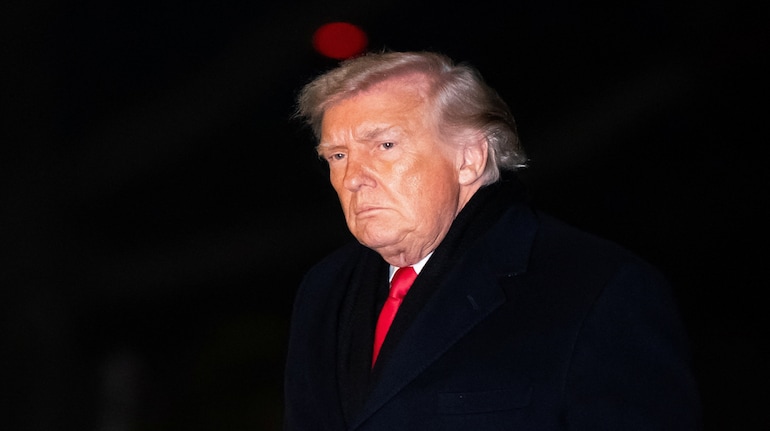
More than five years after the 2020 US presidential election, Donald Trump continues to assert that the vote was stolen from him. Those claims, which were central to his political messaging after losing to Joe Biden, have been investigated from almost every conceivable angle. Again and again, they have failed to withstand scrutiny.
Despite this, the issue has resurfaced periodically, including through renewed government actions and rhetoric, keeping alive allegations that election officials, courts and even members of Trump’s own party have long rejected, the New York Times reported.
What the results actually showed
The 2020 election was close in several battleground states, but not unresolved. Biden won key swing states including Georgia and Arizona by margins that triggered recounts under state law. Those recounts confirmed the original outcomes.
In Georgia, the state carried out multiple counts of ballots, including a full hand recount. Each reaffirmed Biden’s victory. Similar processes in other states produced the same conclusion: the results were accurate, and the certified tallies stood.
Republican officials overseeing these elections publicly defended their integrity. They repeatedly stated that no evidence had emerged showing fraud on a scale that could have changed the outcome.
Courts rejected the fraud lawsuits
Trump and his allies pursued an aggressive legal strategy after the election, filing dozens of lawsuits across several states. These cases alleged everything from ballot tampering to voting machine manipulation.
Judges across the country, including many appointed by Republican presidents, dismissed the vast majority of these suits. The rulings were blunt. Courts found that the claims lacked evidence, relied on speculation, or misunderstood how elections are administered.
Notably, judges stressed that serious allegations require proof, not suspicion. That proof never materialised.
Recounts and audits told the same story
Beyond the courtroom, states conducted audits and reviews of voting systems. Georgia, Arizona and other battlegrounds examined ballots, voting machines and chain-of-custody procedures.
None uncovered widespread fraud. Independent audits and bipartisan election officials reached the same conclusion: while small administrative errors exist in any large election, there was no coordinated or systemic manipulation.
Election infrastructure experts also confirmed that voting machines did not switch votes or alter totals, a claim that later became the subject of high-profile defamation settlements.
Trump’s own administration contradicted him
Perhaps the most damaging rebuttals came from within Trump’s own government. His attorney general at the time publicly acknowledged that the US Justice Department had found no evidence of widespread voter fraud.
Likewise, Trump’s vice president refused to intervene in the certification process, saying he had no constitutional authority to overturn the results. That decision effectively ended Trump’s last remaining pathway to reversing the election.
Senior federal and state officials, including Republicans, consistently backed the legitimacy of the vote.
The myths that were repeatedly disproved
Several specific allegations became central to Trump’s narrative. Claims that dead people voted in large numbers were investigated and debunked. Assertions that suitcases of fake ballots were secretly added were shown to be routine ballot storage procedures. Accusations that voting machines flipped votes were rejected by courts and contradicted by technical evidence.
In some cases, individuals who promoted these claims later admitted they were false or unsupported.
Why the claims persist
Even after repeated failures in court and confirmation by audits, the fraud narrative has remained politically powerful. Polls show that a significant portion of Republican voters continue to believe the election was illegitimate.
Experts say repetition, partisan media ecosystems and distrust of institutions have helped sustain the belief. Once embedded, the narrative became less about evidence and more about identity and grievance.
What the record shows
The factual record of the 2020 election is unusually extensive. Few elections in US history have been examined as thoroughly, by courts, auditors, journalists and election officials across party lines.
Every credible review reached the same conclusion: Joe Biden won the election, Donald Trump lost, and there was no widespread fraud capable of changing the result.
That conclusion has not changed, no matter how often the claims are revived.
Discover the latest Business News, Sensex, and Nifty updates. Obtain Personal Finance insights, tax queries, and expert opinions on Moneycontrol or download the Moneycontrol App to stay updated!
Find the best of Al News in one place, specially curated for you every weekend.
Stay on top of the latest tech trends and biggest startup news.