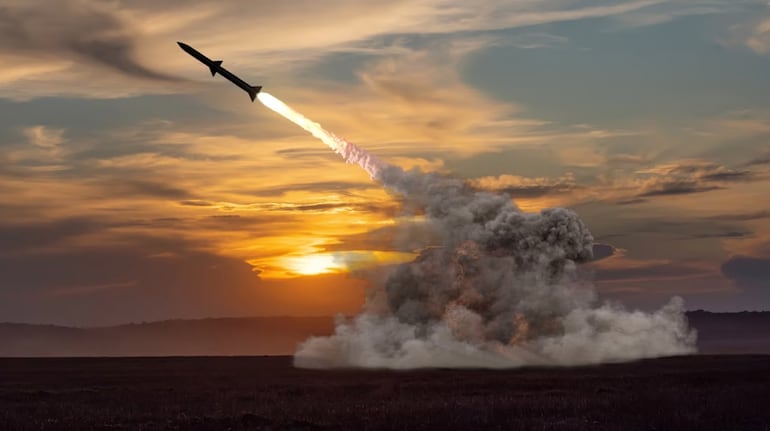
When a missile is fired or a drone closes in on a target, the decision is rarely the product of one person staring at a single screen and making a snap call. Modern military strikes unfold through a web of command centres, live video feeds, encrypted chats and carefully delegated authority. The recent controversy over a follow-up strike on a suspected drug boat in the Caribbean has turned attention to those rooms: who is inside them, what they see, and how responsibility is shared when something goes wrong, CNN reported.
What a command centre actually looks like
A modern command centre is designed to be a “nerve hub” for an operation. Banks of screens show live video from drones and aircraft, satellite imagery, maps and chat windows. Senior officers sit at consoles with direct links to pilots, ship captains and ground forces, and can patch in civilian leaders in Washington or other capitals.
The goal is to remove uncertainty as far as possible. Commanders want an “unblinking eye” on the target, reliable communications in every direction and specialists—operations officers, intelligence analysts, lawyers, tech staff—close at hand to answer questions in real time. The room is intentionally calm, quiet and choreographed. Everyone knows their role, and the atmosphere is more like a tightly run control room than a movie-style battlefield.
Who is watching, and from where
The people actually “fighting” the strike are often nowhere near the capital. For high-risk missions, operational command might sit at a military headquarters such as Joint Special Operations Command in North Carolina or a regional combatant command like Central Command or Southern Command.
At the same time, a parallel audience can be watching from afar. Senior civilians—defence secretaries, national security advisers, even presidents—may log in from the Pentagon, a secure facility, or the White House Situation Room to observe the feed and receive updates. Their role is usually to approve the overall mission and major changes, not to fly the aircraft or pull the trigger themselves, but they can ask questions, press for clarity and, in some cases, narrow or expand what the military is allowed to do.
How authority is delegated before the first shot
Despite the drama of live video, very little is improvised on the spot. Before a strike, military planners define targets, legal justifications, acceptable risk and what is called “target engagement authority”—who can decide to attack, and under what conditions. Civilian leaders approve the broad framework, including rules of engagement and lists of pre-approved targets or scenarios.
Once the operation begins, that authority is usually delegated down to a specific commander in the chain—someone in a command centre who is empowered to order weapons fired, paused, or redirected as the situation unfolds. They are expected to stick to the agreed plan, follow the law of armed conflict and stay within the boundaries set by political leaders, even as they respond to fast-moving events.
Planning for contingencies, not improvisation
Because things rarely go exactly as expected, a lot of time is spent on “what if” discussions long before the first weapon is launched. Commanders and civilian officials walk through possible failures: a helicopter crash, a missed target, civilians appearing in the area, bad weather, a boat that does not fully sink.
These discussions shape whether a second strike—what the military calls a “re-attack”—is pre-approved or requires fresh permission. They also determine how quickly lawyers must be consulted if the situation changes. The aim is to avoid making up the rules in the middle of a crisis and to ensure that any follow-on action has already been thought through.
The role of lawyers and ‘rules of engagement’
In the background, legal advisers play a significant role. They help interpret international law, domestic authorisations for the use of force and the specific rules of engagement for that operation. In a command centre, they can be asked, in real time, whether a proposed action is legally defensible—particularly when questions arise about surrendering combatants, damaged vessels or signs of survivors.
Their presence is one of the reasons command centres are sometimes described as “weapon systems” in their own right: they integrate sensors, communications, decision-makers and legal oversight into a single platform that can direct lethal force.
After the strike: reviews, questions and accountability
Once the operation ends, the work inside the command centre is not over. Modern militaries routinely conduct after-action reviews, pulling together video, radio logs and chat transcripts to reconstruct what happened and why specific choices were made. These reviews help refine tactics and, when things go badly wrong, form the basis for investigations into potential misconduct or violations of the laws of war.
That is why controversies over strikes—whether in the Caribbean, the Middle East or elsewhere—often turn on what was visible on those screens, who was listening on those headsets and what authority they believed they had at the time. The command centre is where technology, policy and human judgement meet. When the stakes are life and death, understanding how that room works is central to understanding where responsibility really lies.
Discover the latest Business News, Sensex, and Nifty updates. Obtain Personal Finance insights, tax queries, and expert opinions on Moneycontrol or download the Moneycontrol App to stay updated!
Find the best of Al News in one place, specially curated for you every weekend.
Stay on top of the latest tech trends and biggest startup news.