In a season marked by anticipation, Japan’s iconic Mount Fuji has finally received its first dusting of snow, breaking one of the longest snowless streaks in over 130 years. Captured by the Copernicus Sentinel-2 satellite on November 7, 2024, the snowfall’s arrival has brought relief and celebration for both locals and visitors, ending weeks of concern over the beloved mountain’s uncharacteristically bare summit. The delay in snowfall, an anomaly in Mount Fuji’s typically timely winter schedule, has sparked discussions on the broader effects of climate change and how it’s altering Japan’s natural landscape.
Mount Fuji: Japan's Icon of Culture and ClimateStanding majestically at 3,776 meters, Mount Fuji is more than just a natural marvel. The mountain is an enduring cultural symbol, with its image gracing Japanese art, literature, and spiritual practices for centuries. Designated a UNESCO World Heritage site, Fuji’s symmetrical, snow-capped peak represents purity, beauty, and resilience. Travelers from around the world flock to Japan to witness this peak against the clear winter sky, and for the Japanese people, it’s a place of pilgrimage, with shrines and temples surrounding its base.
Mount Fuji also serves as a seasonal marker. Snow usually appears in early October, signaling the start of winter. This year, however, it remained snow-free well into November, marking the latest first snowfall in recorded history. For locals and travelers alike, the unusually warm autumn raised concerns about the mountain’s enduring winter allure and about Japan’s climate future.
Mount Fuji’s Unusual Delay: A Climate Signal?The delayed snow cover this year hints at broader climate patterns affecting Japan. Last autumn, Fuji’s first snowfall arrived by October 5, but warmer-than-average temperatures melted it soon after, disrupting its usual winter look. This year’s snowless delay highlights a pattern that Japan has experienced in recent seasons: warmer temperatures extending into autumn and disrupting established seasonal rhythms.
The prolonged warm weather this autumn followed Japan’s hottest summer on record for the second year in a row. Across the Northern Hemisphere, warming trends have contributed to reduced snowfall, and in Japan, the impact is increasingly visible. The delayed snowfall on Mount Fuji is not just an isolated event but part of a broader phenomenon affecting landscapes, tourism, and local traditions.
A Call for Climate Awareness and ActionMount Fuji’s snow-free streak is a reminder of climate change’s impact on Japan’s landscapes, traditions, and natural beauty. As rising temperatures alter the natural patterns of snow cover, water resources, and seasonal tourism across the globe, iconic sites like Mount Fuji take on a new role. They are no longer just scenic landmarks but barometers of our environmental impact and calls to action.
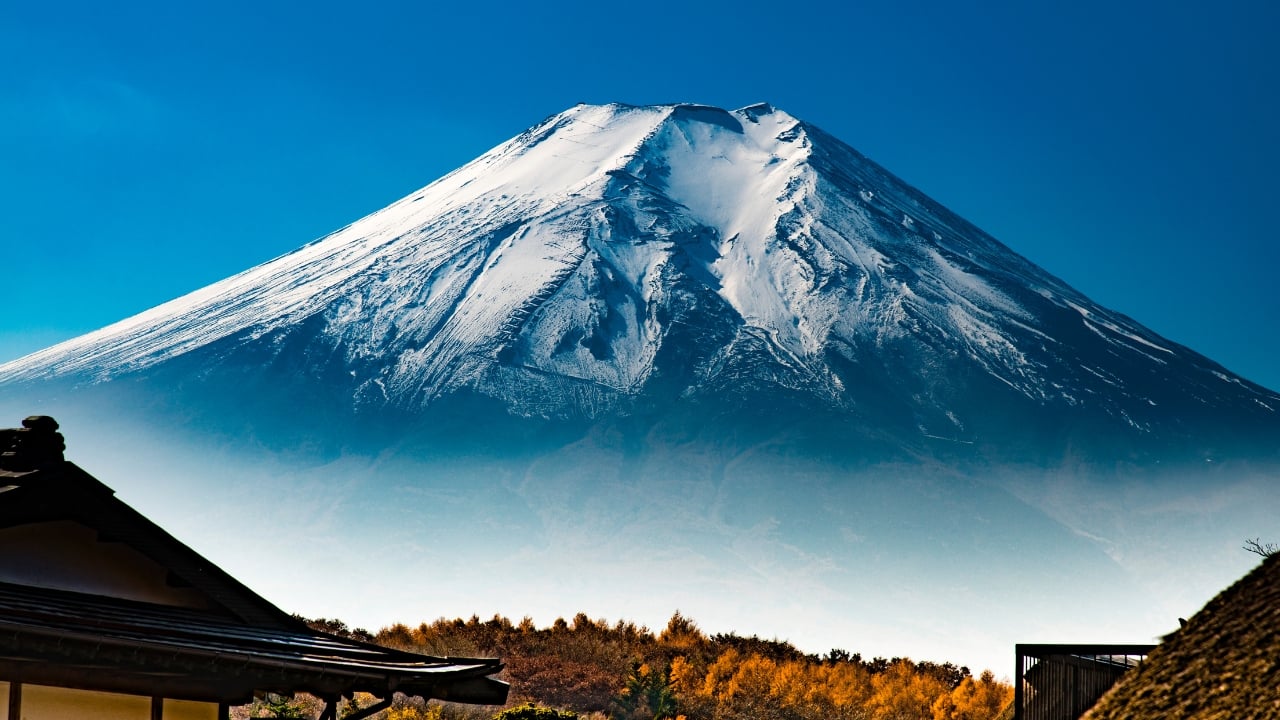 Mount Fuji in Japan (Image: Canva)
The return of snow to Mount Fuji, ending its longest snow-free streak in over a century, highlights the mountain's beauty and its growing vulnerability to climate change. While this snowfall brought relief, it also serves as a reminder of the shifting environmental patterns affecting iconic landmarks worldwide. Mount Fuji, a symbol of resilience, now stands as a call to action to preserve both natural wonders and the delicate balance of our climate for future generations.
Discover the latest Business News, Sensex, and Nifty updates. Obtain Personal Finance insights, tax queries, and expert opinions on Moneycontrol or download the Moneycontrol App to stay updated!
Find the best of Al News in one place, specially curated for you every weekend.
Stay on top of the latest tech trends and biggest startup news.