-
My Account









Geyser buying guide: These are 10 things you must know before buying a new geyser for bathroom, kitchen
Buying a new geyser requires careful consideration of space, capacity, energy efficiency, safety features, and electricity consumption to ensure reliable hot water for bathrooms and kitchens without unnecessary costs.




1/10
Start with a clear budget
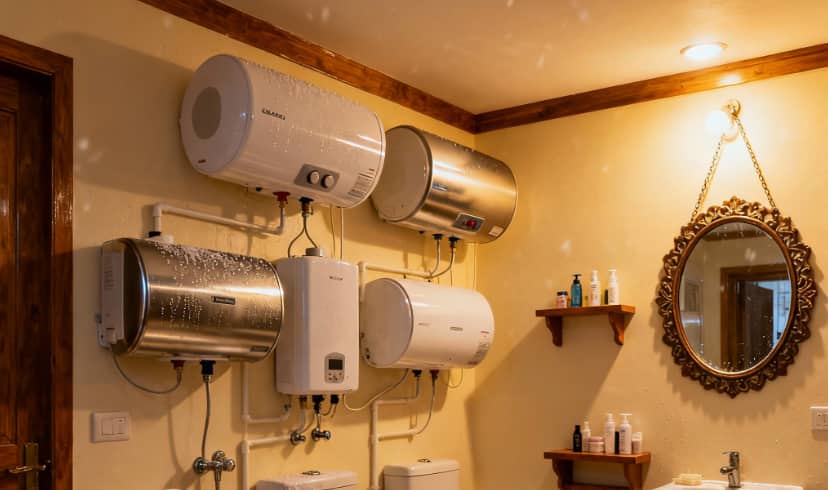
Budget is the first filter when buying a geyser. Prices vary widely based on capacity, wattage, energy rating, and additional features. Fixing a budget helps narrow options and avoids paying extra for features that may not be necessary for daily use, especially in bathrooms or kitchens with basic requirements.
Budget is the first filter when buying a geyser. Prices vary widely based on capacity, wattage, energy rating, and additional features. Fixing a budget helps narrow options and avoids paying extra for features that may not be necessary for daily use, especially in bathrooms or kitchens with basic requirements.
2/10
Check available installation space
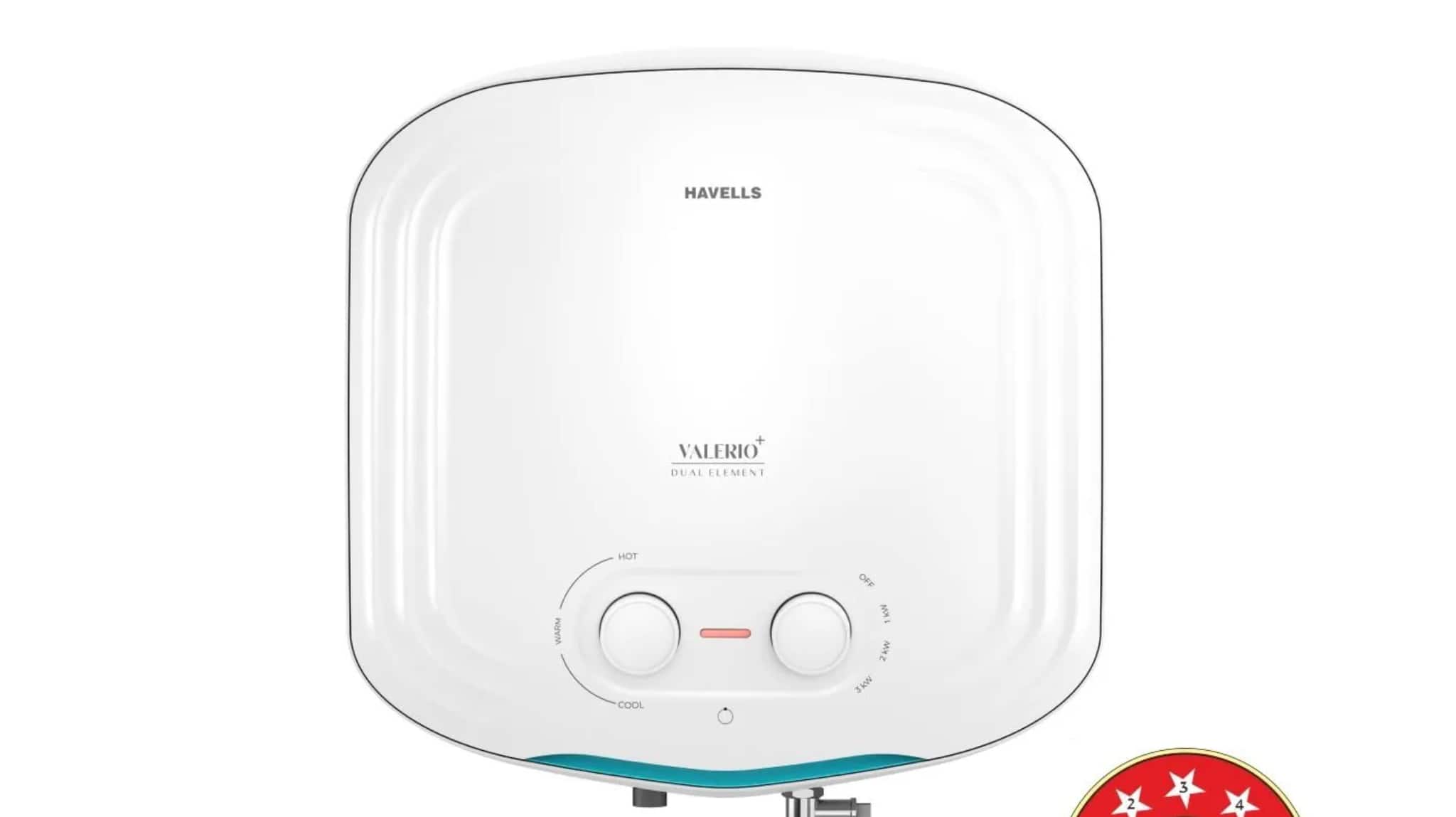
Before shortlisting any model, measure the available space in your bathroom or kitchen. Geysers come in vertical, horizontal, and compact rectangular designs. A model that fits your usage needs but not your wall space will be impractical, regardless of its specifications.
Before shortlisting any model, measure the available space in your bathroom or kitchen. Geysers come in vertical, horizontal, and compact rectangular designs. A model that fits your usage needs but not your wall space will be impractical, regardless of its specifications.
3/10
Decide the right type: storage or instant
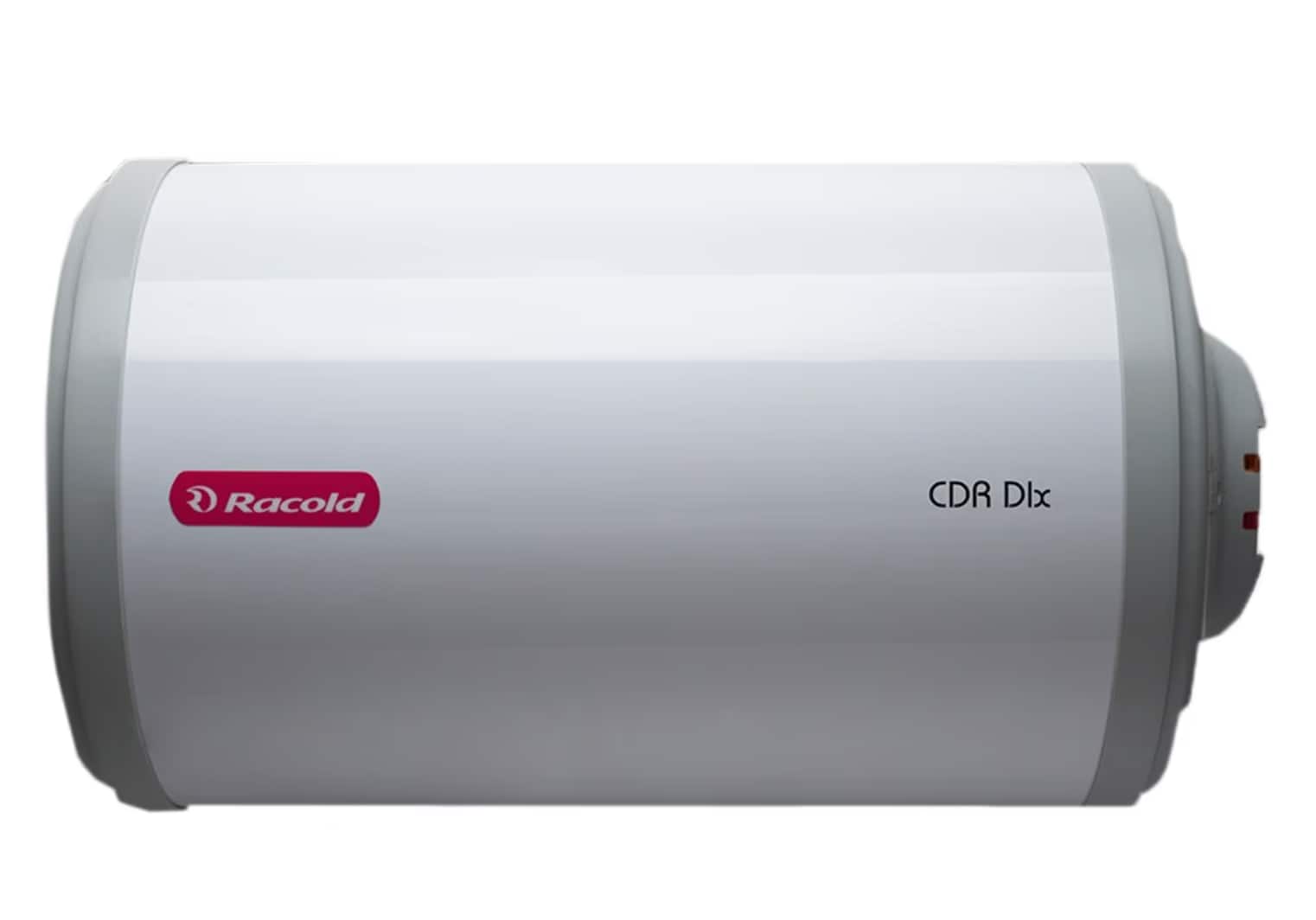
Storage geysers are suitable for bathrooms where multiple buckets or long showers are needed. Instant water heaters work better for kitchens or limited usage, offering quick heating but lower capacity. Choosing the correct type prevents unnecessary electricity consumption.
Storage geysers are suitable for bathrooms where multiple buckets or long showers are needed. Instant water heaters work better for kitchens or limited usage, offering quick heating but lower capacity. Choosing the correct type prevents unnecessary electricity consumption.
4/10
Choose tank capacity based on family size
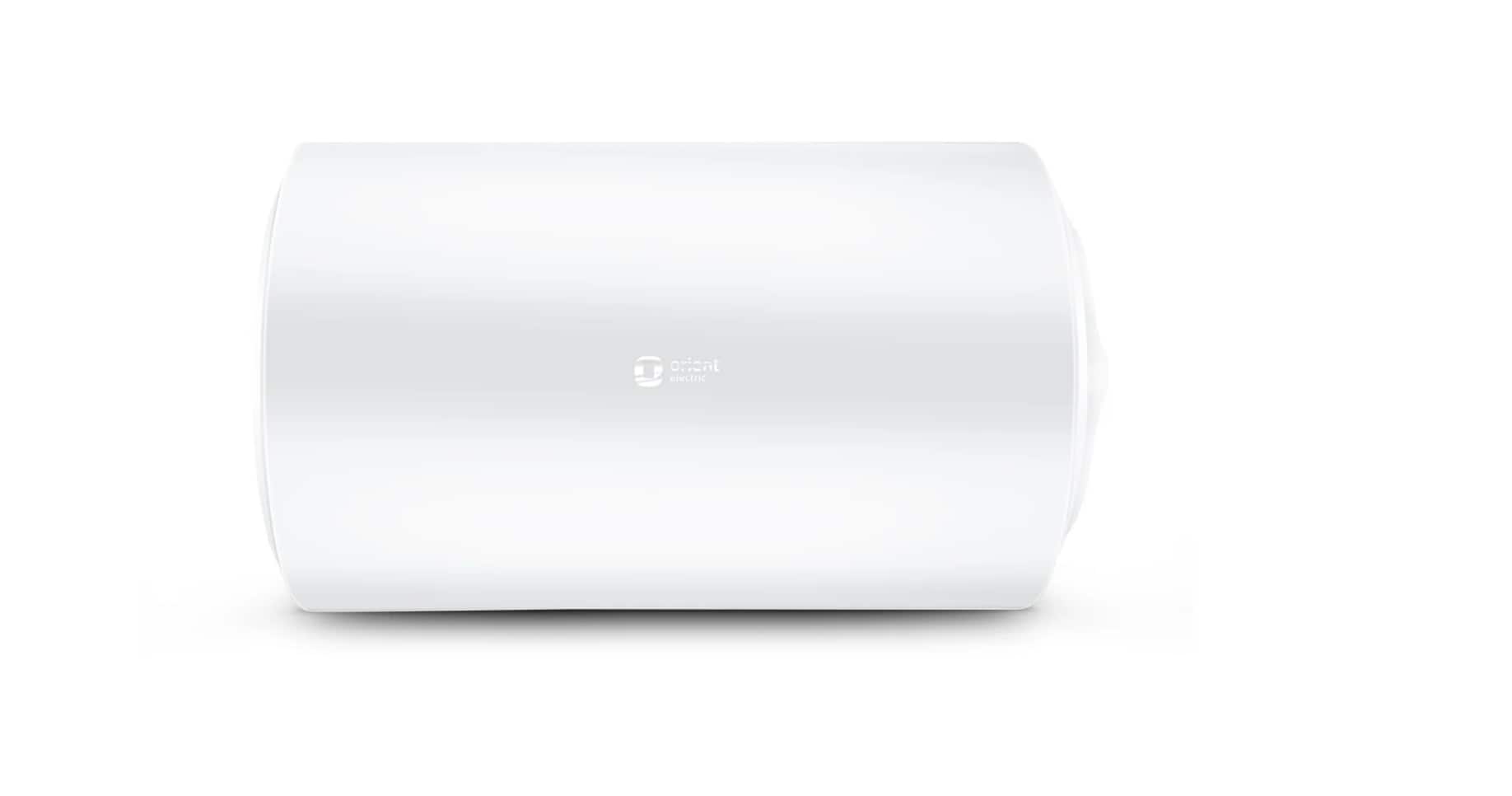
Tank size directly affects heating time and electricity usage. A 15-litre geyser is sufficient for small families, while households with more members may need 25 litres or more. For kitchens or couples, instant or small-capacity models are usually adequate.
Tank size directly affects heating time and electricity usage. A 15-litre geyser is sufficient for small families, while households with more members may need 25 litres or more. For kitchens or couples, instant or small-capacity models are usually adequate.
5/10
Understand wattage and heating time
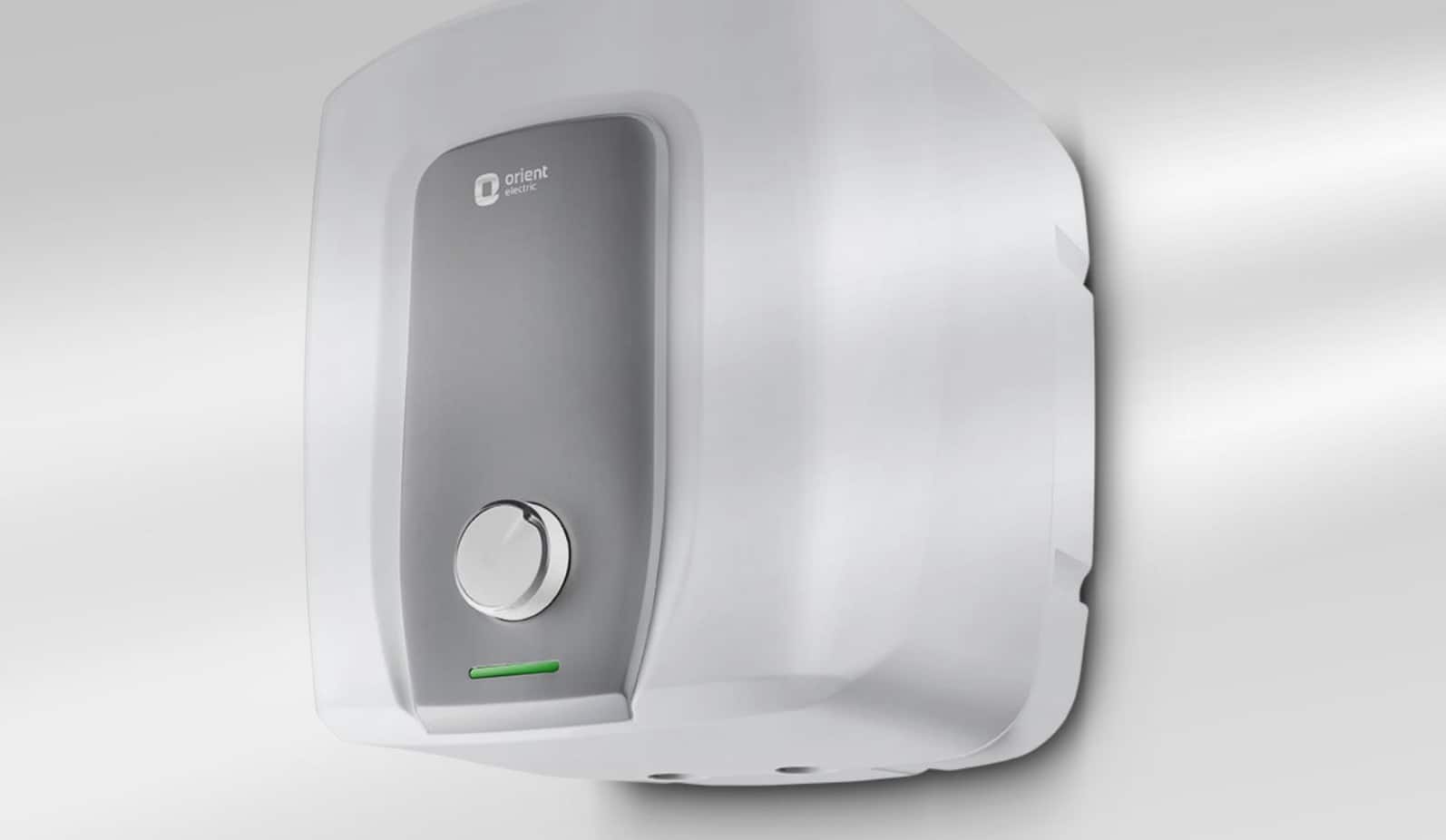
Higher wattage means faster heating, but also higher power draw. A 3000W geyser heats water faster than a 2000W unit with the same tank size, but it also increases electricity consumption. Balance wattage with actual daily usage.
Higher wattage means faster heating, but also higher power draw. A 3000W geyser heats water faster than a 2000W unit with the same tank size, but it also increases electricity consumption. Balance wattage with actual daily usage.
6/10
Check energy efficiency rating
Energy efficiency plays a major role in long-term costs. Geysers with a minimum 4-star energy rating are recommended as they consume less electricity over time. This becomes especially important in households where the geyser is used daily during winter months.
Energy efficiency plays a major role in long-term costs. Geysers with a minimum 4-star energy rating are recommended as they consume less electricity over time. This becomes especially important in households where the geyser is used daily during winter months.
7/10
Prioritise essential safety features
Safety should never be compromised. Look for features such as a pressure release valve, thermal cut-out, safety valve, and automatic shut-off. These features protect against overheating, pressure build-up, and electrical faults during operation.
Safety should never be compromised. Look for features such as a pressure release valve, thermal cut-out, safety valve, and automatic shut-off. These features protect against overheating, pressure build-up, and electrical faults during operation.
8/10
Separate necessary features from good-to-have ones
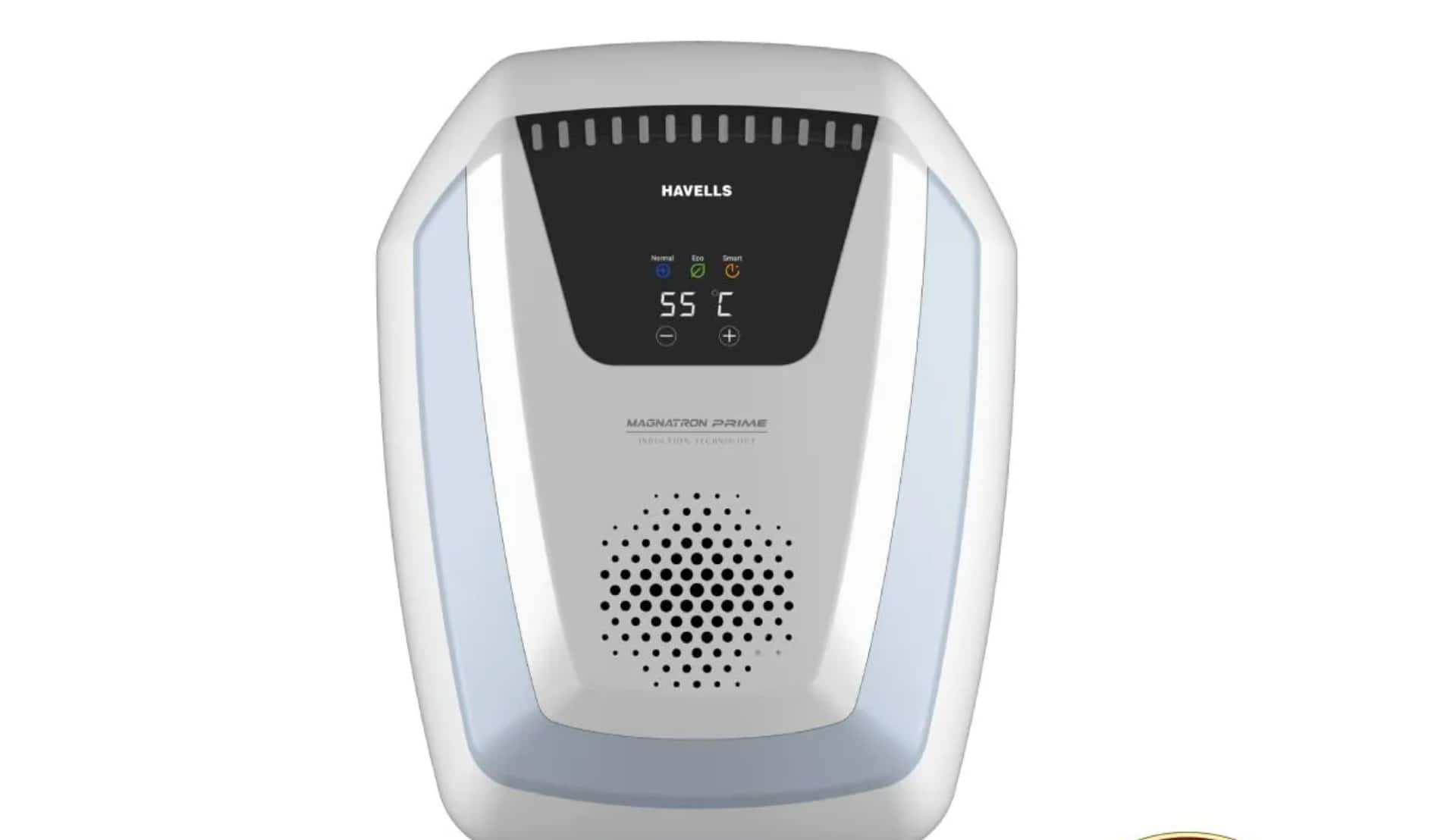
Some features improve usability, while others only add to cost. Digital displays, temperature indicators, and smart connectivity are convenient but not essential. Core functionality and safety should take priority over connected or app-based features.
Some features improve usability, while others only add to cost. Digital displays, temperature indicators, and smart connectivity are convenient but not essential. Core functionality and safety should take priority over connected or app-based features.
9/10
Consider electricity consumption patterns
Larger tanks take longer to heat but allow multiple users without reheating. Smaller tanks heat faster but may need to reheat multiple times, increasing power usage. Understanding daily usage patterns helps select a model that balances comfort and electricity bills.
Larger tanks take longer to heat but allow multiple users without reheating. Smaller tanks heat faster but may need to reheat multiple times, increasing power usage. Understanding daily usage patterns helps select a model that balances comfort and electricity bills.
10/10
Check installation and warranty details
Always verify whether installation is included with purchase and what additional costs may apply. Warranty coverage is equally important. Check the overall warranty period along with separate warranties for the heating element and inner tank, as these components affect long-term reliability.
Always verify whether installation is included with purchase and what additional costs may apply. Warranty coverage is equally important. Check the overall warranty period along with separate warranties for the heating element and inner tank, as these components affect long-term reliability.
Discover the latest Business News, Budget 2025 News, Sensex, and Nifty updates. Obtain Personal Finance insights, tax queries, and expert opinions on Moneycontrol or download the Moneycontrol App to stay updated!



