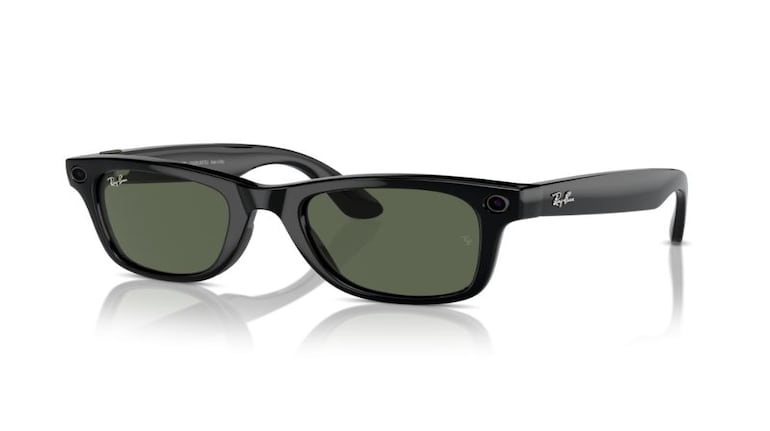

Meta may be preparing to reintroduce facial recognition into its consumer products, this time through its smart glasses lineup. A report from The New York Times says the company is considering adding facial recognition capabilities to its AI-powered glasses later this year, according to four people familiar with the plans.
Internally, the feature is said to be codenamed “Name Tag.” If launched, it would allow users wearing Meta’s Ray-Ban or Oakley smart glasses to identify people they see and retrieve information about them using AI. The idea, as described to the NYT, would not amount to universal facial recognition but could surface details about people the wearer is already connected to through Meta’s apps, or potentially from public Instagram profiles.
The report suggests Meta has been cautious about rolling out the technology due to its obvious privacy and ethical implications. Sources told the NYT that the company held back from unveiling Name Tag at a conference for blind users last year and may also have deliberately excluded facial recognition from the first generation of its smart glasses, which launched in 2023.
However, an internal Reality Labs memo reviewed by the NYT indicates Meta now sees a window of opportunity. The memo reportedly argues that political instability in the US could limit pushback from civil society groups, creating a more favourable environment to move forward with controversial features.
Competition is another factor. As the smart glasses market becomes more crowded, Meta appears to believe facial recognition could differentiate its products from rivals, including those expected from companies like OpenAI. The company is still weighing how far the technology should go, with sources stressing that identifying random strangers would not be possible under current proposals.
Meta’s history with facial recognition is fraught. The company shut down Facebook’s facial recognition system in 2021 following sustained criticism over privacy and consent. In 2024, it reintroduced a more limited version aimed at detecting scam ads that misuse the faces of celebrities and public figures, rolling it out beyond the US to regions including Europe, the UK, and South Korea.
If Meta does move ahead with Name Tag, it would mark a significant escalation in how wearable devices interact with the people around them. It would also almost certainly reignite scrutiny over how much surveillance users, and bystanders, are willing to accept in exchange for convenience and novelty.


Discover the latest Business News, Sensex, and Nifty updates. Obtain Personal Finance insights, tax queries, and expert opinions on Moneycontrol or download the Moneycontrol App to stay updated!
Find the best of Al News in one place, specially curated for you every weekend.
Stay on top of the latest tech trends and biggest startup news.