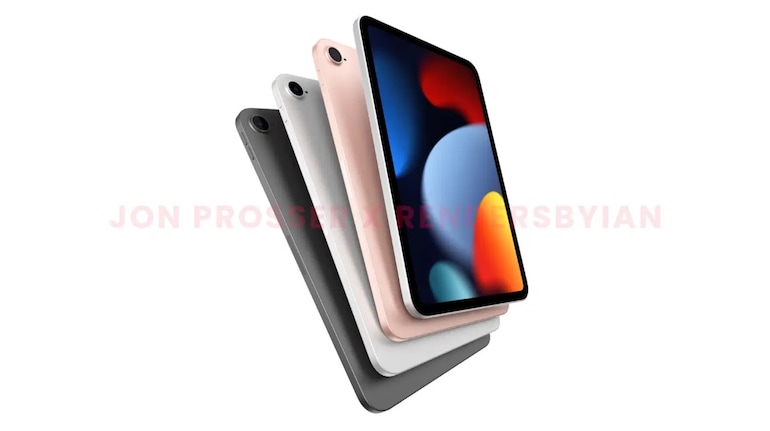

Fresh leaks surrounding the long-rumoured iPhone Fold are fuelling a new debate about what kind of device Apple is actually building. Instead of following the familiar foldable phone formula set by rivals, the evidence so far suggests Apple may be aiming for something closer to a foldable iPad than a conventional smartphone that simply opens up into a bigger display.
Most current foldables take a predictable approach. Devices such as the Samsung Galaxy Z Fold7 and the Google Pixel 10 Pro Fold look and feel like regular phones when closed. Even when unfolded, they retain a tall, phone-like aspect ratio that prioritises continuity between closed and open states. The transition feels evolutionary rather than radical.
Leaks linked to the iPhone Fold point in a very different direction. Instead of a tall slab that opens wider, the device is rumoured to be short and unusually wide when folded. When opened fully, it reportedly resembles something much closer to an iPad mini in shape and proportions. This design choice alone would place the iPhone Fold in a category of its own, neither phone nor tablet in the traditional sense.
This idea gained more traction after Stephen Hackett of 512 Pixels produced a 3D-printed mock-up based on current rumours. Jason Snell later discussed the model on Six Colors, posing a deceptively simple question: is this a phone you open, or an iPad you close? The physical mock-up highlights just how unconventional the design could be, showing a squat, notebook-like device that transforms into a compact tablet rather than a stretched phone display.
If these mock-ups are even roughly accurate, the iPhone Fold would challenge long-held assumptions about what an iPhone should be. Instead of starting with a phone-first experience and scaling it up, Apple may be doing the opposite. The device could be designed primarily as a small tablet that happens to fold down small enough to fit in a pocket. That would explain the unusual proportions and the apparent lack of interest in mimicking existing Android foldables.
Of course, it is still early, and Apple’s final hardware often diverges from early leaks. The company could refine the dimensions significantly before launch. Even so, the direction suggested by these reports is intriguing. A foldable that prioritises a wider canvas could unlock genuinely new use cases for reading, browsing, note-taking, and multitasking, areas where current foldables still feel compromised.
Software will be the real test. A wider, non-traditional display would require iOS to stretch beyond its phone-centric roots. There is already speculation that a future version such as iOS 27 could borrow ideas from iPadOS 26, particularly around windowing and multitasking. Without deeper software changes, the hardware advantages of a tablet-like foldable could be wasted.
At the same time, adapting iOS to such an unusual aspect ratio would demand a major design effort from Apple. Every interface element would need to scale horizontally in ways iOS has never fully supported on iPhone. That challenge alone makes some observers sceptical that the leaked mock-ups reflect the final product.
Still, the prospect is hard to ignore. An iPad mini that folds into your pocket would represent a bold rethink of the iPhone’s role. If Apple does go down this path, the iPhone Fold could end up redefining not just foldables, but the boundary between phone and tablet itself.


Discover the latest Business News, Sensex, and Nifty updates. Obtain Personal Finance insights, tax queries, and expert opinions on Moneycontrol or download the Moneycontrol App to stay updated!
Find the best of Al News in one place, specially curated for you every weekend.
Stay on top of the latest tech trends and biggest startup news.