






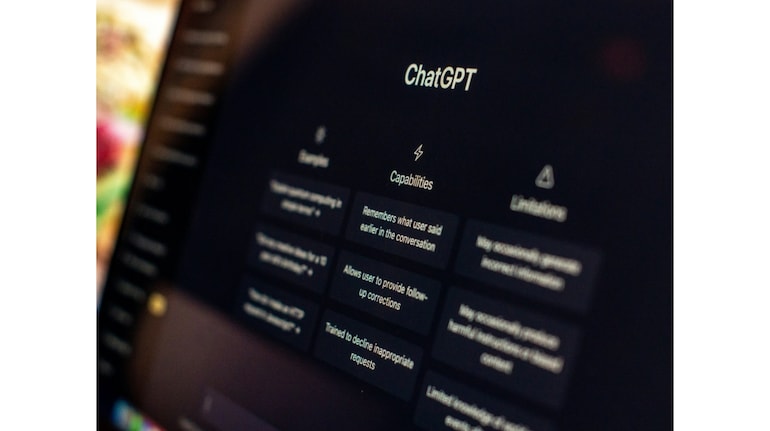
When OpenAI launched GPT-5 last week, the company promised a simplified ChatGPT experience through a unified AI model with an automatic routing system to select the best responses. This aimed to eliminate the need for users to manually choose from the complex model picker menu, a feature OpenAI CEO Sam Altman has publicly criticised.
However, the reality is more complicated. Altman confirmed on X (formerly Twitter) that GPT-5 now offers users three selectable modes: “Auto,” “Fast,” and “Thinking.” The Auto mode functions as the originally announced router, but users can bypass it by selecting faster or slower response models directly.
In addition, paid users regain access to several older AI models, including GPT-4o, GPT-4.1, and GPT-3, which were deprecated just days earlier. GPT-4o is now the default model in the picker, while the others can be enabled through settings. "4.5 is only available to Pro users—it costs a lot of GPUs," said Altman in his post.
Altman acknowledged in his post that future updates will aim to make GPT-5’s personality “warmer” but less intrusive than GPT-4o, emphasising the company’s intention to provide greater per-user customisation of model personalities.
The return of the model picker and multiple AI modes suggests that GPT-5’s routing system has not fully met user expectations. Early enthusiasm for GPT-5’s launch was tempered by a rocky rollout, including a malfunctioning router that led some users to perceive it as less capable than previous models. Altman addressed these issues during a recent Reddit AMA.
Nick Turley, OpenAI’s Vice President of ChatGPT, expressed pride in the rapid iterations following launch but acknowledged the complexity of routing user prompts effectively. The system must match user preferences and question types to the right AI model in milliseconds, balancing response speed with quality.
User preferences go beyond speed. Some prefer verbose answers, while others favour contrarian views, reflecting a growing emotional attachment to specific AI models. This phenomenon was highlighted recently when hundreds in San Francisco held a memorial for Anthropic’s Claude 3.5 Sonnet model after its retirement.
Human responses to AI personalities remain a largely uncharted area. Experts note concerns that AI chatbots may contribute to harmful mental health effects in vulnerable users.
OpenAI’s ongoing adjustments signal recognition that aligning AI models to individual users’ expectations and preferences is a difficult but necessary task for future development.


Discover the latest Business News, Sensex, and Nifty updates. Obtain Personal Finance insights, tax queries, and expert opinions on Moneycontrol or download the Moneycontrol App to stay updated!
Find the best of Al News in one place, specially curated for you every weekend.
Stay on top of the latest tech trends and biggest startup news.











