Apple’s iPhone 17 and Google’s Pixel 10 might look almost identical to their predecessors, but both are packed with subtle, meaningful upgrades under the hood. While the designs stay familiar, the 2025 flagships double down on performance, camera versatility, and AI smarts — making this one of the closest head-to-heads between Cupertino and Mountain View in years.
Display: Smooth, bright, and practically identical
Both phones feature 6.3-inch OLED panels with adaptive 120Hz refresh rates, delivering fluid animations and crisp visuals. Apple finally brings its ProMotion display to the base iPhone, a long-requested upgrade that makes everything from scrolling to gaming smoother.
In terms of resolution, Apple has a slight edge at 2,622x1,206 pixels versus the Pixel 10’s 2,424x1,080p, but both are excellent for watching HDR content or editing photos. Both support always-on displays and secure face recognition — Face ID for Apple, Face Unlock (plus fingerprint sensor) for Google. The iPhone’s Dynamic Island remains, while the Pixel goes cleaner with just a punch-hole camera.
Cameras: Apple reinvents the selfie, Google masters the zoom
Apple’s iPhone 17 makes a major leap with dual 48MP wide and ultrawide sensors, offering sharper, more colour-accurate photos. While there’s no dedicated telephoto lens, Apple cleverly uses sensor cropping for 2x optical-quality zoom.
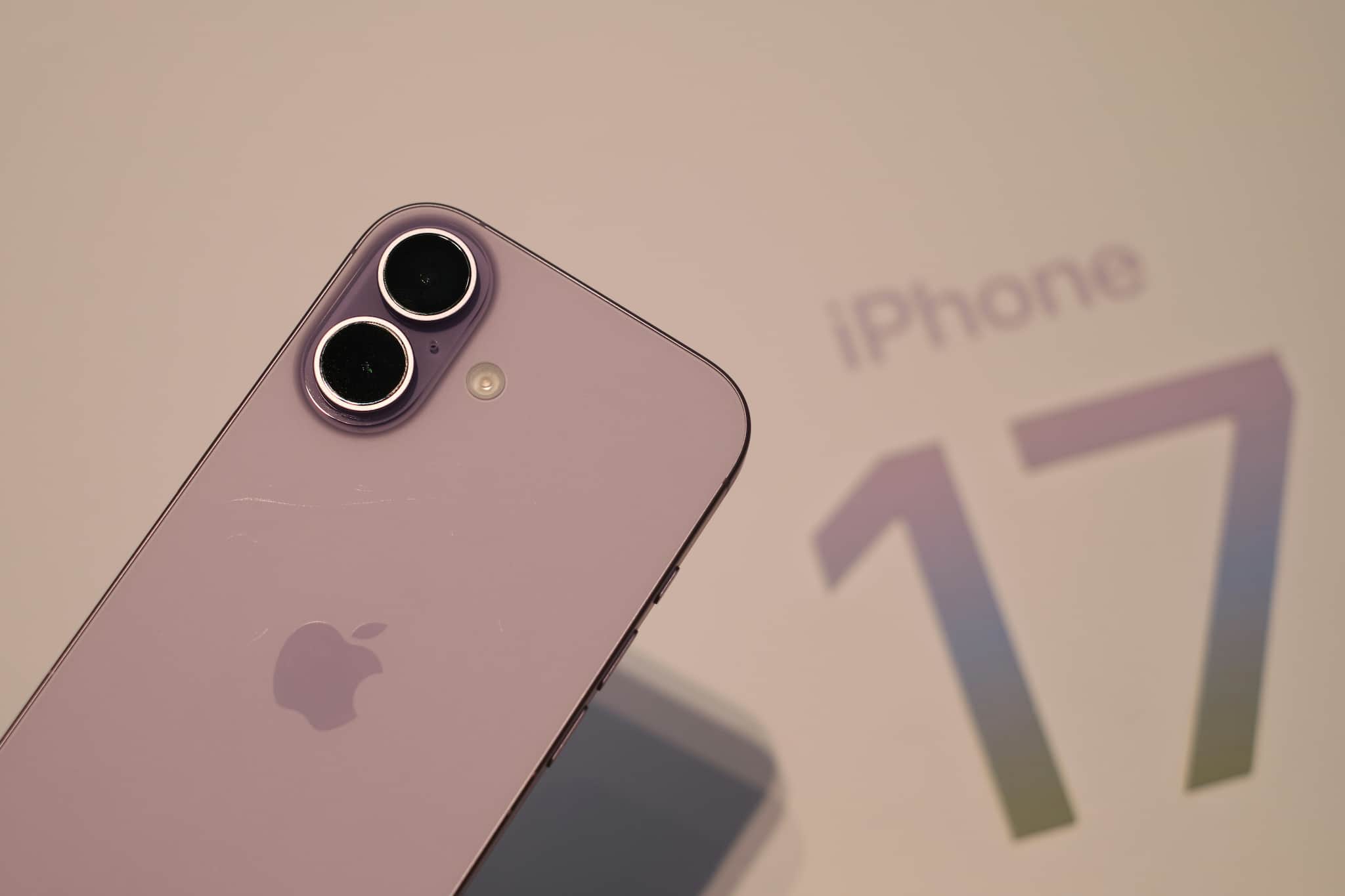
The headline act, however, is the 18MP Center Stage camera — a square sensor that lets you shoot horizontal or vertical selfies without turning your phone. It automatically reframes to fit everyone in, making it ideal for group shots or vloggers.
Google, meanwhile, adds a 10.8MP telephoto lens with 5x optical zoom to the Pixel 10 — a first for its base model. It joins a 48MP main and 13MP ultrawide, delivering stronger versatility, especially for distant subjects. Google’s computational photography remains unmatched for night shots and HDR.
Performance and Battery: Two custom chips, two philosophies
Both phones use custom in-house processors — Apple’s A19 Bionic and Google’s Tensor G5 — optimised for AI-heavy tasks and tighter software-hardware integration. Google promises seven years of Android updates, while Apple continues its unofficial record of supporting devices for half a decade or more.

Charging speeds are faster than ever: 40W wired and 25W wireless (Qi2) on the iPhone, compared to 29W wired and 15W wireless (Qi2) for the Pixel. Google’s new PixelSnap feature adds MagSafe accessory compatibility, blurring the line between ecosystems.
AI and Software: Gemini feels ready, Apple still finding its groove
AI is where the two diverge most sharply. Apple’s Apple Intelligence brings writing tools, Genmoji, and Visual Intelligence — promising but still limited in scope.
Google’s Gemini-powered features, on the other hand, feel far more integrated. The Magic Cue system pulls relevant info from Gmail or Keep, while Gemini itself responds conversationally to search and task requests.
Which one should you get?
If you want polish, performance, and a more mature ecosystem, the iPhone 17 feels like the safer pick. But if you crave smarter AI, deeper Google integration, and real zoom versatility, the Pixel 10 offers more innovation for less money.
Either way, both phones prove that evolution — not revolution — can still feel refreshingly new.


Discover the latest Business News, Sensex, and Nifty updates. Obtain Personal Finance insights, tax queries, and expert opinions on Moneycontrol or download the Moneycontrol App to stay updated!
Find the best of Al News in one place, specially curated for you every weekend.
Stay on top of the latest tech trends and biggest startup news.