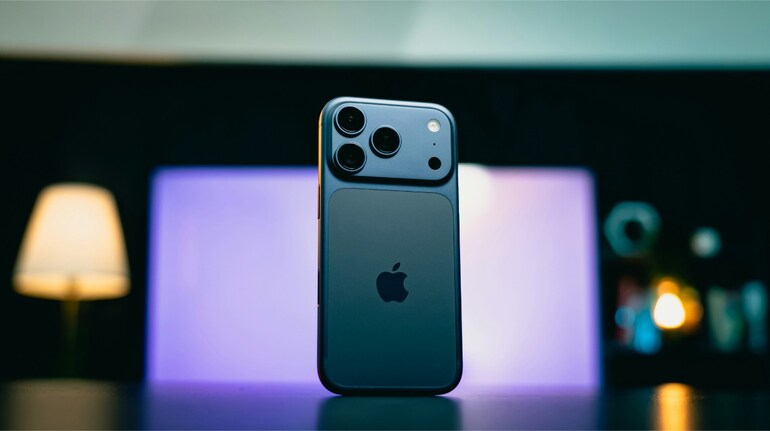

Apple may be preparing to revive part of its long-dormant relationship with Intel, this time focused purely on chip manufacturing rather than processor design. According to a research note by GF Securities analyst Jeff Pu, Apple could tap Intel to fabricate some of its future iPhone chips, potentially starting around 2028. The report suggests Intel’s upcoming 14A process may be used to manufacture at least a portion of Apple’s A21 or A22 chips, while TSMC is expected to remain Apple’s primary chipmaking partner.
Crucially, Intel’s role would reportedly be limited to fabrication. There is no indication that the company would contribute to the design of Apple’s processors. This marks a clear distinction from the Intel Mac era, when Apple relied on Intel-designed x86 processors before transitioning its Mac lineup to Apple silicon in 2020. In this case, Apple would retain full control over chip architecture while outsourcing some manufacturing capacity.
This would not be the first time Intel has supplied components for Apple’s mobile devices. Intel previously provided cellular modems for select iPhone models, ranging from the iPhone 7 to the iPhone 11. That partnership eventually ended as Apple shifted modem supply and accelerated work on its own in-house cellular technology.
Beyond iPhones, there is growing speculation that Apple could also ask Intel to manufacture chips for other devices. Analyst Ming-Chi Kuo said last year that Intel could begin producing bare M-series chips for certain Mac and iPad models as early as mid-2027, using its 18A process. While Kuo did not mention iPhone chips in that context, both reports point to Apple actively exploring alternatives to relying exclusively on a single foundry partner.
Supply chain diversification appears to be a key motivation. As demand for advanced chips surges, driven largely by AI servers and data centre hardware, competition for cutting-edge fabrication capacity has intensified. Nvidia has reportedly overtaken Apple as TSMC’s largest customer, increasing pressure on available production slots. Bringing Intel into the mix would give Apple more flexibility and reduce risk from overdependence on one manufacturer.
Geopolitics may also be playing a role. Apple has publicly committed to expanding chip production in the US, aligning with broader government efforts to strengthen domestic semiconductor manufacturing. Intel, backed by substantial US government support, could help Apple meet both strategic and political objectives while maintaining access to advanced process nodes.
The potential partnership is also notable given Apple’s history with Intel. During WWDC 2020, Apple CEO Tim Cook announced the end of Intel processors in Macs, citing the benefits of a unified ARM-based architecture across Apple products. While Apple never publicly detailed the reasons behind the split, former Intel engineer Francois Piednoel later pointed to quality issues with Intel’s Skylake architecture as a turning point.
According to Piednoel, Skylake generated an unusually high number of issues for Apple, straining the relationship between the two companies. He described it as a moment when Apple seriously reconsidered its long-term dependence on Intel and accelerated plans to move away from the platform entirely.
Despite that history, a return to Intel as a manufacturing partner would be far more limited in scope and risk. Apple would not be dependent on Intel’s processor roadmap or architecture, only its ability to produce chips to Apple’s specifications.
If the reports prove accurate, the move would signal a pragmatic shift rather than a reversal of strategy. Apple appears focused on ensuring stable access to advanced manufacturing as chip demand grows, even if that means working again with a former partner under very different terms.


Discover the latest Business News, Sensex, and Nifty updates. Obtain Personal Finance insights, tax queries, and expert opinions on Moneycontrol or download the Moneycontrol App to stay updated!
Find the best of Al News in one place, specially curated for you every weekend.
Stay on top of the latest tech trends and biggest startup news.