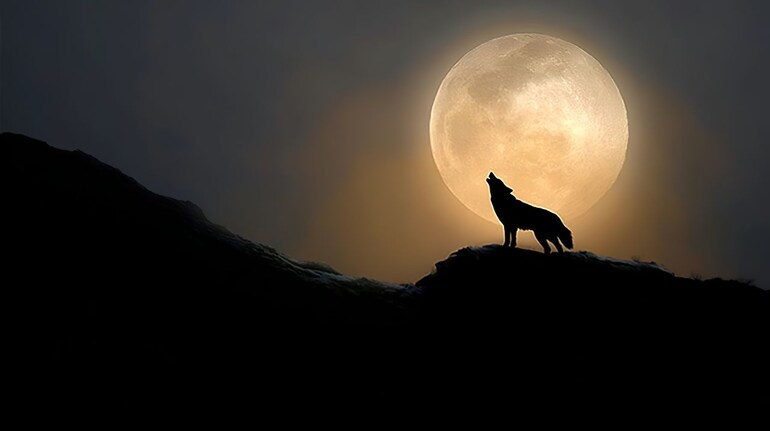

The first full moon of 2026 lights skies worldwide. The January full moon peaks early on Jan. 3. Skywatchers are preparing for the Wolf Moon display. The lunar event also marks 2026’s first supermoon. The spectacle begins as night falls across regions. Viewing times vary depending on local horizons.
Astronomers say a full moon occurs monthly. It happens when the moon faces opposite the sun. Sunlight then fully illuminates the lunar surface. This alignment repeats once every 27 days. January’s full moon reaches peak illumination at 5:03 a.m. EST. That equals 1003 GMT for global observers. The moon will appear nearly full surrounding nights.
Why January’s Full Moon Is Called Wolf Moon
January’s full moon carries the name Wolf Moon. The name reflects winter nights filled with howling wolves. These sounds were historically linked with food scarcity. The name has been used across northern cultures. Anglo Saxons called it the Moon After Yule. TimeandDate records this traditional naming reference.
North America’s Dakota people used a different name. They called it the Severe Moon. The Old Farmers Almanac notes this origin. The name reflects harsh winter cold conditions. These cultural names highlight seasonal survival challenges. They also show humanity’s long connection with lunar cycles.
What Makes January’s Wolf Moon A Supermoon
This month’s full moon is also a supermoon. A supermoon occurs near the moon’s closest Earth approach. That closest orbital point is called perihelion. During this time the moon appears larger. It can look 14 percent bigger visually. It can also appear 30 percent brighter. This effect becomes noticeable to casual observers.
January’s supermoon is the final one for months. It completes a sequence of four supermoons. After this event the next arrives late in 2026. Skywatchers must wait until Nov. 24, 2026. Until then full moons appear slightly smaller.
When And How To Watch The Wolf Moon
Observers should look eastward on Jan. 2 evening. The Wolf Moon rises near local sunset. It appears especially large near the horizon. This is caused by the moon illusion effect. The illusion tricks the human brain visually.
The effect becomes stronger on Jan. 3 evening. The moon rises after sunset into darker skies. Atmospheric scattering changes the moon’s colour appearance. The moon may appear orange or yellow. Earth’s atmosphere scatters blue light wavelengths. Redder light travels through more easily. This creates the warm lunar glow.
The Wolf Moon offers both beauty and tradition. It combines science, culture, and seasonal symbolism. For many it opens the skywatching year. The display invites reflection on Earth’s rhythms. The moon continues its silent monthly journey.
Discover the latest Business News, Sensex, and Nifty updates. Obtain Personal Finance insights, tax queries, and expert opinions on Moneycontrol or download the Moneycontrol App to stay updated!
Find the best of Al News in one place, specially curated for you every weekend.
Stay on top of the latest tech trends and biggest startup news.