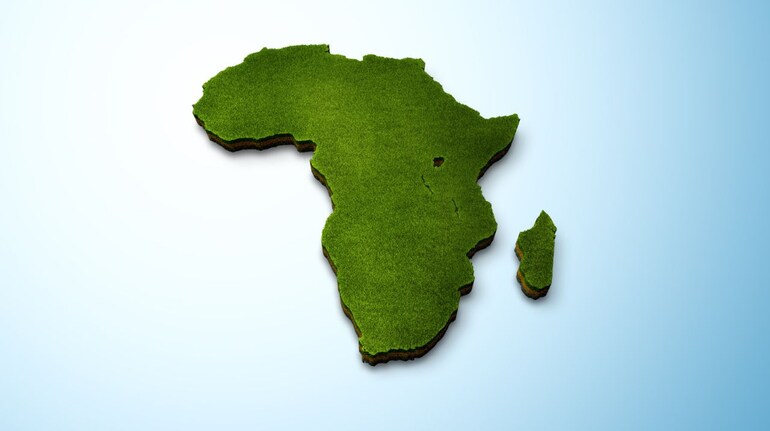

East Africa has gradually dried over thousands of years, scientists report. New research suggests this drying may be speeding continental separation. The study links climate change with faster fault movement. Findings were published in November in Scientific Reports.
Researchers focused on the East African Rift Zone. This region marks where the African continent is slowly splitting. Scientists say fault activity has increased as lake levels dropped. The findings reveal climate and tectonics influence each other.
Christopher Scholz led the research from Columbia University. He is a geologist, physicist and professor emeritus. Scholz told Live Science tectonics and climate interact both ways. Mountain building affects climate, but climate also affects tectonics.
What is happening beneath East Africa’s great lakes
The research focused on Lake Turkana in northern Kenya. The lake measures about 155 miles in length. It reaches depths of roughly 400 feet today. Thousands of years ago, it was far deeper.
During the African Humid Period, rainfall was far heavier. This wetter period lasted from about 9,600 years ago. It ended roughly 5,300 years ago across East Africa. Since then, conditions have become steadily drier.
Scientists studied ancient sediments from the lake bed. These sediments revealed past water levels and flows. Researchers also found evidence of ancient earthquakes. Many small faults were preserved within sediment layers.
The East African Rift is pulling the continent apart. Scientists believe Africa may eventually split into two plates. A new ocean could form between these plates. Deep narrow lakes mark this rifting process today.
Why drying lakes affect faults and earthquakes
Scholz’s team wanted to know whether lake changes mattered. Large water volumes place pressure on Earth’s crust. When water levels fall, that pressure is reduced. This can influence earthquakes and fault movements.
Researchers found faults moved faster after lakes shrank. Fault movement increased by 0.007 inches yearly. Overall, Africa is rifting at 0.25 inches annually. The speed increase followed the humid period’s end.
Computer simulations helped explain this acceleration. Reduced water pressure allows faults greater freedom. Scholz compared it to loosening a tightening vise. Less pressure enables easier movement along fault lines.
Another factor involved volcanic activity beneath Lake Turkana. A volcano there contains an active magma chamber. Falling water levels reduced pressure on the mantle below. This caused increased melting beneath the volcano.
That melt moved into the magma chamber. The chamber inflated, stressing nearby fault systems. This process likely increased earthquake activity locally. Scholz said earthquakes are probably more frequent now.
What scientists plan to study next
Researchers are expanding work to Lake Malawi. That lake lies within the same rift system. Scientists are studying water changes spanning 1.4 million years. The goal is understanding long term climate tectonic links.
Scholz said changing lake volumes are critically important. These changes help explain continental separation processes. The findings suggest climate can shape Earth’s structure. Scientists say this relationship deserves closer attention.
Discover the latest Business News, Sensex, and Nifty updates. Obtain Personal Finance insights, tax queries, and expert opinions on Moneycontrol or download the Moneycontrol App to stay updated!
Find the best of Al News in one place, specially curated for you every weekend.
Stay on top of the latest tech trends and biggest startup news.