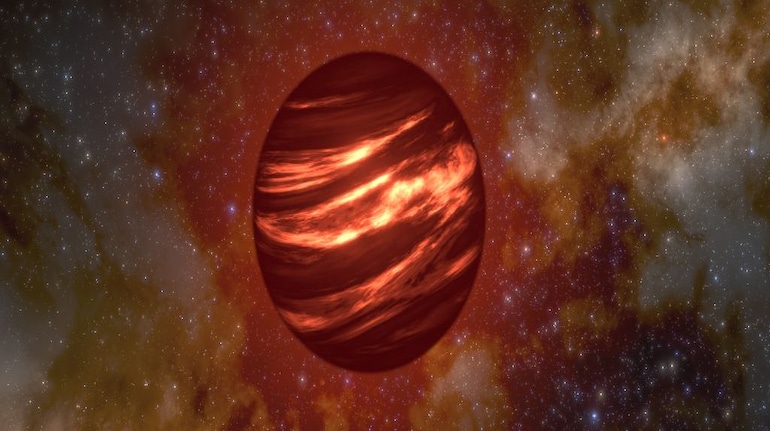
Astrophysicists have found phosphine (PH₃) in the atmosphere of a brown dwarf star, Wolf 1130C, located 54 light-years away from Earth. This is the first confirmed detection of phosphine across all brown dwarfs.
This raises questions about phosphorus chemistry in substellar environments. Brown dwarfs or “failed stars," are too small to sustain hydrogen fusion and are especially interesting for chemical studies.
A Molecule Related to LifePhosphine is associated with biological processes on Earth. It is one of many biosignatures for extraterrestrial life. However, PH₃ can form through non-biological processes, including on the atmospheres of Jupiter and Saturn.
This makes its biological interpretation more difficult. The detection of phosphine in Wolf 1130C provokes further questions about the chemistry of phosphorus in extreme environments.
Atmospheric ModelsWolf 1130C is an ancient object that is over 10 billion years old. The abundance of phosphine aligns with some theoretical atmospheric models, yet the absence of phosphine in other brown dwarf and exoplanets shows phosphorus chemistry is likely different for each source.
Future Research and the Search for LifeScientists emphasise that continued research into the formation of phosphine in such atmospheres is crucial for accurately and cautiously interpreting potential biosignatures in the search for extraterrestrial life.
Discover the latest Business News, Sensex, and Nifty updates. Obtain Personal Finance insights, tax queries, and expert opinions on Moneycontrol or download the Moneycontrol App to stay updated!
Find the best of Al News in one place, specially curated for you every weekend.
Stay on top of the latest tech trends and biggest startup news.