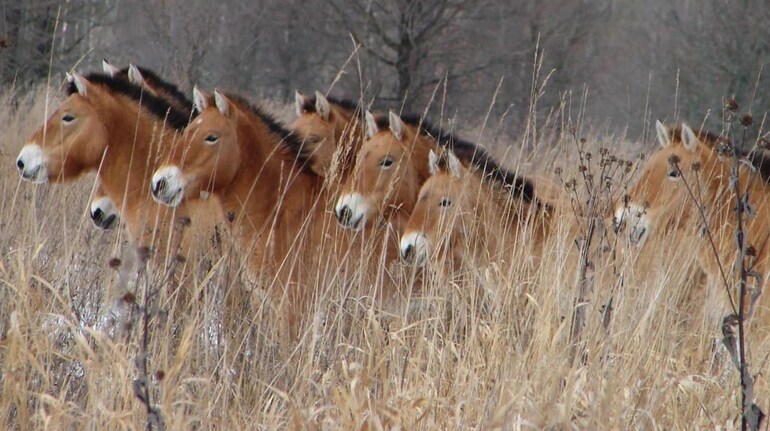
Przewalski’s horses are back in Kazakhstan after decades in captivity. Once extinct in the wild, they now roam their ancestral lands. International rewilding efforts made this remarkable conservation success possible.
A Lost Species Finds Its Way
These wild horses disappeared by the mid-twentieth century entirely. Habitat loss, hunting and livestock competition caused their decline. Captive breeding programs in Europe kept the species alive safely.
Rewilding Efforts Across Continents
Horses were flown from European zoos to central Kazakhstan carefully. Cargo planes and trucks transported them over long, challenging distances. Upon arrival, they adapted in enclosures before release into wild.
Returning to Their Historic Home
The Altyn Dala State Nature Reserve now hosts the horses. This reserve lies within their original steppe range historically. The horses help restore natural balance and support ecosystem health.
Their grazing maintains grasslands and prevents overgrowth of shrubs naturally. Other species benefit from healthier habitats created by their presence. Scientists monitor their movements, health and adaptation for long-term success.
A Global Conservation Achievement
This project shows extinct-in-the-wild species can return successfully. It highlights the importance of global cooperation for species preservation. Przewalski’s horses now symbolize hope for future rewilding programs.
Looking Ahead for Wildlife
Ongoing monitoring ensures horses thrive in Kazakhstan’s harsh steppes. The program may expand, guiding future efforts for other species. Conservation, science and community partnerships remain crucial for survival.
Discover the latest Business News, Sensex, and Nifty updates. Obtain Personal Finance insights, tax queries, and expert opinions on Moneycontrol or download the Moneycontrol App to stay updated!
Find the best of Al News in one place, specially curated for you every weekend.
Stay on top of the latest tech trends and biggest startup news.