




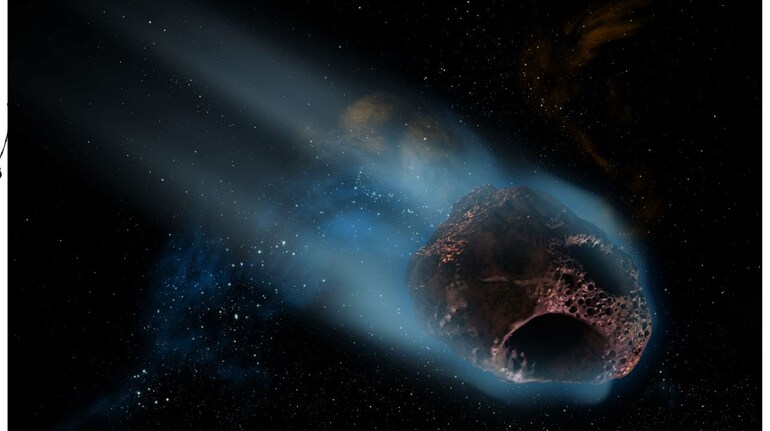
Asteroid 2024 QV1, a fascinating space rock, is set to make a near pass by Earth on September 3, creating a wave of excitement among space enthusiasts and scientists. With a diameter of about 120 feet, equivalent to the length of a commercial airplane, this asteroid will pass within 1,310,000 miles of our planet. Although this may seem like a considerable distance, it is relatively close by astronomical standards.
What makes 2024 QV1 particularly noteworthy is its astonishing speed. The asteroid is hurtling through space at approximately 27,000 miles per hour (43,450 kilometres per hour), making it one of the faster objects to pass close to Earth. This swift trajectory has attracted the attention of NASA's Near-Earth Object Observations (NEOO) programme, which monitors such asteroids to evaluate potential risks and gather critical data for future studies.
Although there is no threat associated with this particular approach, the passage of 2024 QV1 serves as a reminder of the dynamic and unpredictable nature of our solar system. Events like these not only capture public interest but also underscore the importance of continuous space research and monitoring. Encounters with asteroids like 2024 QV1 provide valuable opportunities to deepen our understanding of asteroid behaviour and enhance our preparedness for any potential future threats from space.
As 2024 QV1 speeds past Earth, it offers a glimpse into the vast and ever-changing cosmos we inhabit. Such events inspire scientific curiosity and vigilance, ensuring that we remain alert and ready for whatever surprises the universe may have in store.
Discover the latest Business News, Sensex, and Nifty updates. Obtain Personal Finance insights, tax queries, and expert opinions on Moneycontrol or download the Moneycontrol App to stay updated!
Find the best of Al News in one place, specially curated for you every weekend.
Stay on top of the latest tech trends and biggest startup news.