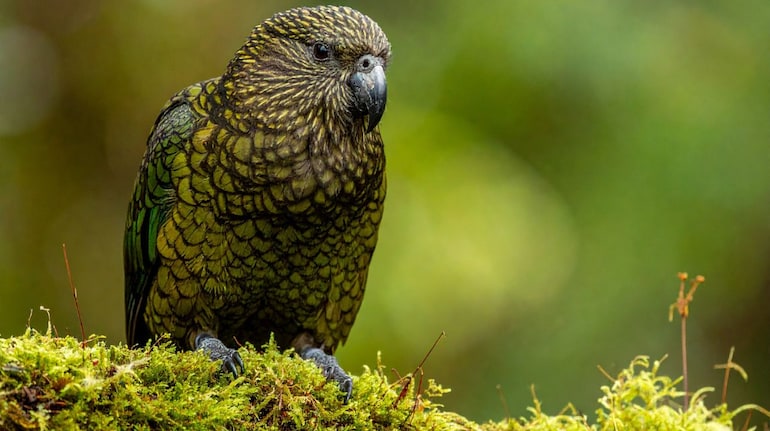

Scientists studying animal intelligence say some species rival young humans. New research highlights birds showing advanced thinking abilities. Among them, one alpine parrot stands out. Researchers point to the kea bird of New Zealand.
The kea has drawn attention for unusual cognitive abilities. Scientists say animals are more complex than once believed. Some recognise faces, learn signs, and understand loss. Birds rank among the most intelligent non human beings.
Researchers now say the kea belongs among elite thinkers. The parrot shows intelligence comparable to young human children. Scientists estimate kea abilities resemble those of four year olds. Their cognitive skills rival those seen in primates.
Why scientists study the kea bird
New research shows keas combine information across domains. Tests revealed keas understand probability and decision making. They integrate information from multiple sources effectively. This ability was previously seen only in great apes.
Researchers say this challenges ideas about animal intelligence. Studying keas may explain how intelligence evolves. Scientists hope to model artificial thinking after keas. The findings expand understanding of non human cognition.
Keas also demonstrate strong problem solving abilities. They complete logical puzzles and cooperative group tasks. The birds use tools and plan actions ahead. These skills help them survive harsh mountain environments.
However, scientists say intelligence goes beyond survival needs. Keas display curiosity, playfulness, and social interaction. Observers report them chasing each other like children. They often manipulate objects for entertainment.
Where keas live and what they eat
Keas are the world’s only alpine parrot species. They are endemic to New Zealand’s South Island. Their range includes forests, valleys, and high mountains. Human activity pushed them into harsher alpine zones.
The birds are highly adaptable omnivores. They eat fruit, seeds, leaves, and nectar. Keas also dig for grubs in soil. They may scavenge animal carcasses including sheep remains.
Their intelligence helps locate food in difficult terrain. They quickly learn new ways to access resources. This adaptability supports survival in extreme environments. Scientists say diet flexibility reflects cognitive strength.
Why keas are famous and threatened
Keas are known for mischievous and bold behaviour. They are often called the clown of the Alps. Tourists report keas stealing personal belongings frequently. Items include wallets, food, passports, and clothing.
They also damage tents, vehicles, and buildings. Keas chew antennas and pry rubber from tyres. Some throw stones or enter homes through doors. Their fearlessness both charms and frustrates humans.
Despite their intelligence, keas face serious threats. Predators like stoats and possums reduce populations. Harsh environments shorten average lifespans significantly. Many keas live only five years.
Humans historically persecuted keas for destructive behaviour. Before 1970, bounties led to mass killings. Over 150,000 keas were killed during that period. Today the species is legally protected.
Researchers estimate about 7,000 keas remain. Conservation laws prohibit keeping keas as pets. Keas do not breed well in captivity. Scientists stress protection remains essential for survival.
Discover the latest Business News, Sensex, and Nifty updates. Obtain Personal Finance insights, tax queries, and expert opinions on Moneycontrol or download the Moneycontrol App to stay updated!
Find the best of Al News in one place, specially curated for you every weekend.
Stay on top of the latest tech trends and biggest startup news.