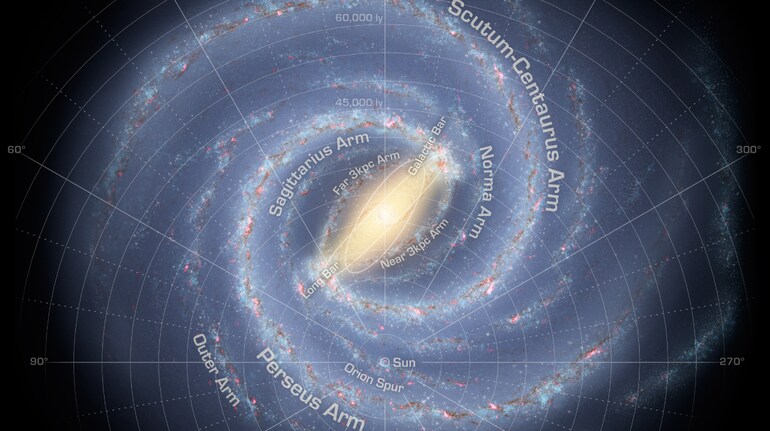
As July and August roll in, stargazers in the Northern Hemisphere have the prime opportunity to view the bright center of our galaxy, the Milky Way. This spectacular sight, visible only from the right locations at the right times, can reveal billions of stars arching across the night sky when conditions are ideal.
Unfortunately, many people in North America and Europe miss out on this celestial marvel due to light pollution. Those eager to see the Milky Way must venture to dark-sky locations and avoid the brightness of the moon. With only about 10 suitable nights each month during summer, it's no wonder that an estimated 80% of North Americans have never seen the Milky Way.
Capture The Atlas notes that in the Northern Hemisphere, the Milky Way is visible from March to September. In the Southern Hemisphere, this viewing window extends by about a month on either side. Your geographical location affects visibility: generally, the Milky Way can be seen in the early morning from March to June and in the evening from July to early October. For instance, viewing the Milky Way in March requires waking up at 4 a.m., while by September, it becomes an after-sunset event.
Moonless nights are essential for optimal viewing. The best times to see the Milky Way align with the 10 nights surrounding the new moon—specifically, from the last quarter moon to three days after the new moon when a crescent moon sets soon after dark.
Here are the best dates to witness the Milky Way this summer and fall:
Sunset and sunrise times, particularly in July and August, limit the hours of darkness, which is crucial for clear visibility. To get the best view, it's important to allow your eyes to adapt to the dark for at least 20 minutes. This means avoiding any bright screens or lights after sunset. Tools like DarkSky's Find a Dark Sky Place or the Dark Site Finder, along with light pollution maps, can help locate ideal viewing spots.
With the right conditions, the Milky Way's band can be seen with the naked eye. A small telescope or a pair of stargazing binoculars can enhance the experience, allowing you to focus on specific celestial objects and enjoy some of the best stargazing opportunities of 2024.
Your latitude also plays a role in how much of the Milky Way you can see. The farther south you are, the deeper into the Milky Way you can gaze. For example, the constellation Sagittarius, which houses the galaxy's bright central black hole, appears low on the southern horizon from New York state at 41 degrees north. From Miami, at 26 degrees north, Sagittarius appears 15 degrees higher in the sky. However, this applies only to the constellation's maximum height, as Sagittarius rises in the southeast and then sinks as the night progresses.
Discover the latest Business News, Sensex, and Nifty updates. Obtain Personal Finance insights, tax queries, and expert opinions on Moneycontrol or download the Moneycontrol App to stay updated!
Find the best of Al News in one place, specially curated for you every weekend.
Stay on top of the latest tech trends and biggest startup news.