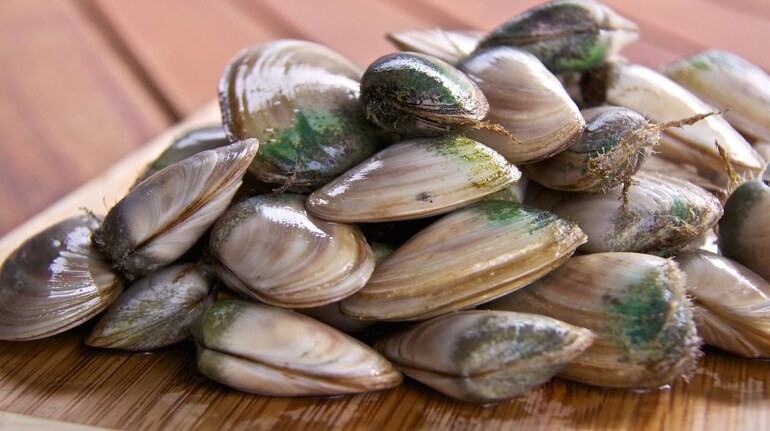
Long after the dinosaurs vanished, clams told a quiet story. Their ancient shells, dug from layers of ocean stone, now offer surprising clues about life after disaster. A new study from an international team of scientists reveals that ecosystems can cling to balance, even after mass extinction reshapes the planet.
The research, published in Science Advances, examines how ocean life recovered after the asteroid impact that ended the age of dinosaurs. It challenges long-held views on how biodiversity rebounds from global collapse. Professor David Jablonski from the University of Chicago said the results offer a new way of thinking about life’s resilience.
Shells Hold a Hidden Record
Researchers from the University of Chicago, the Smithsonian Institution and London’s Natural History Museum analysed fossil records of molluscs. They tracked clams, mussels and oysters from just before and after the extinction event 66 million years ago.
Though nearly 75% of species vanished, the team found that nearly every ecological role remained filled. That means the basic “jobs” these animals played in the ecosystem — like digging into mud, filtering water or clinging to rocks — were not lost, even if the species changed.
This outcome is extremely unlikely, the scientists said, especially since some roles were held by only one or two species. Dr Katie Collins of the Natural History Museum described the results as statistically unexpected.
Challenging Old Models
The findings do not fit older ideas about how extinction shapes evolution. Some scientists believed extinctions simply sped up natural changes. Others thought survivors would evolve to take on new roles.
But neither model matches what the fossils show. The roles didn’t shift dramatically, nor did survivors always thrive later. Some groups that survived didn’t grow stronger, while others that barely made it eventually became dominant.
Dr Jablonski said the results serve as a reminder that we still don’t fully understand how ecosystems recover from loss. It’s a cautionary insight as modern species face pressures that may lead to another mass extinction.
Lessons for the Future
The team also noticed that post-extinction recovery did not follow expected patterns. Some species-rich groups didn’t continue to flourish. Instead, there was a “scrambling” effect — a mismatch between survival and later success.
This has real meaning for today’s oceans, which face rising threats from pollution, warming and acidification. Billions rely on marine life for food and jobs. Understanding how ecosystems recover — not just species — is key to smart conservation.
Jablonski stressed that conservation plans must look beyond individual species. Protecting the full range of ecological roles may be vital for helping nature bounce back.
Discover the latest Business News, Sensex, and Nifty updates. Obtain Personal Finance insights, tax queries, and expert opinions on Moneycontrol or download the Moneycontrol App to stay updated!
Find the best of Al News in one place, specially curated for you every weekend.
Stay on top of the latest tech trends and biggest startup news.